Category Archives: Museum

Visiting Judy in Arabia

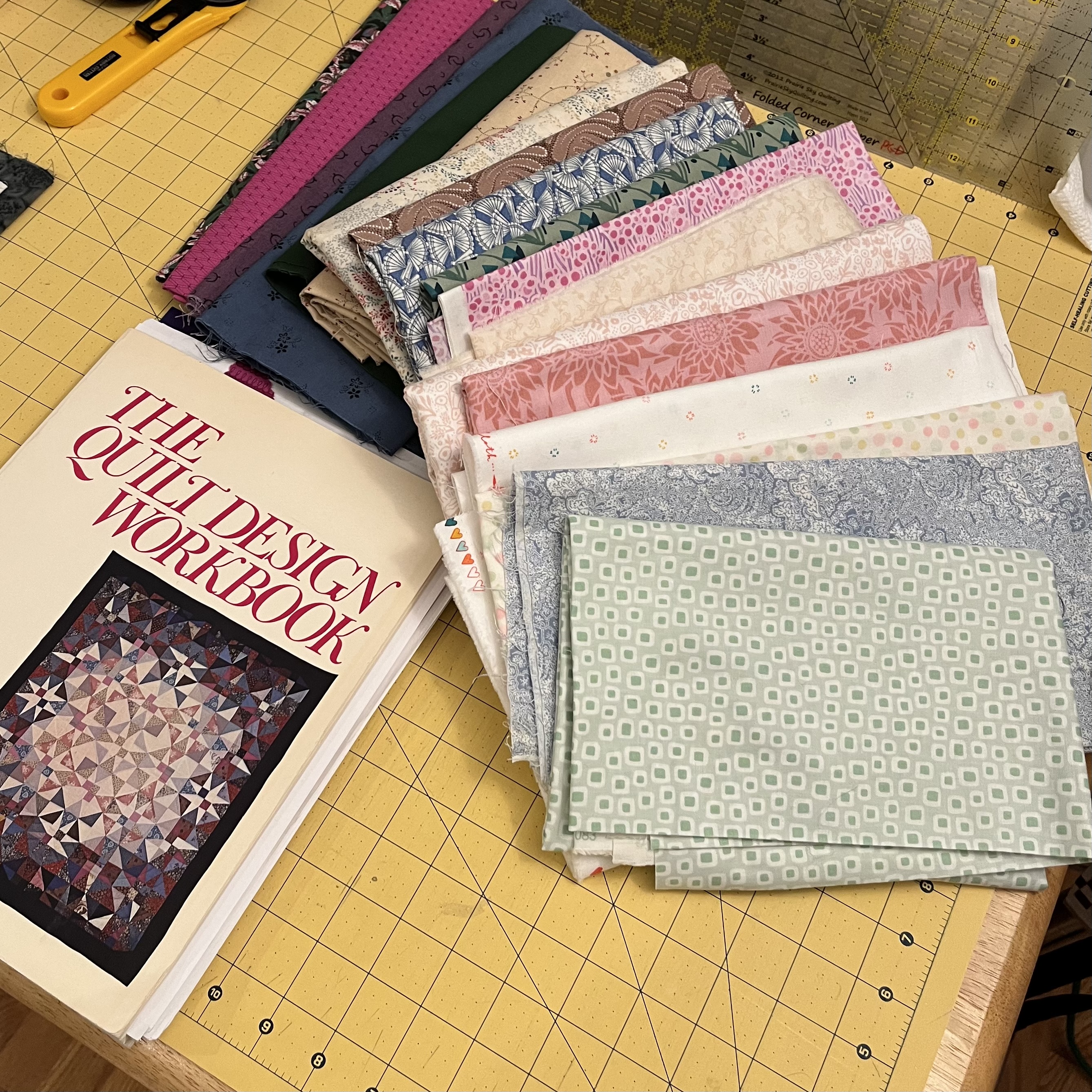
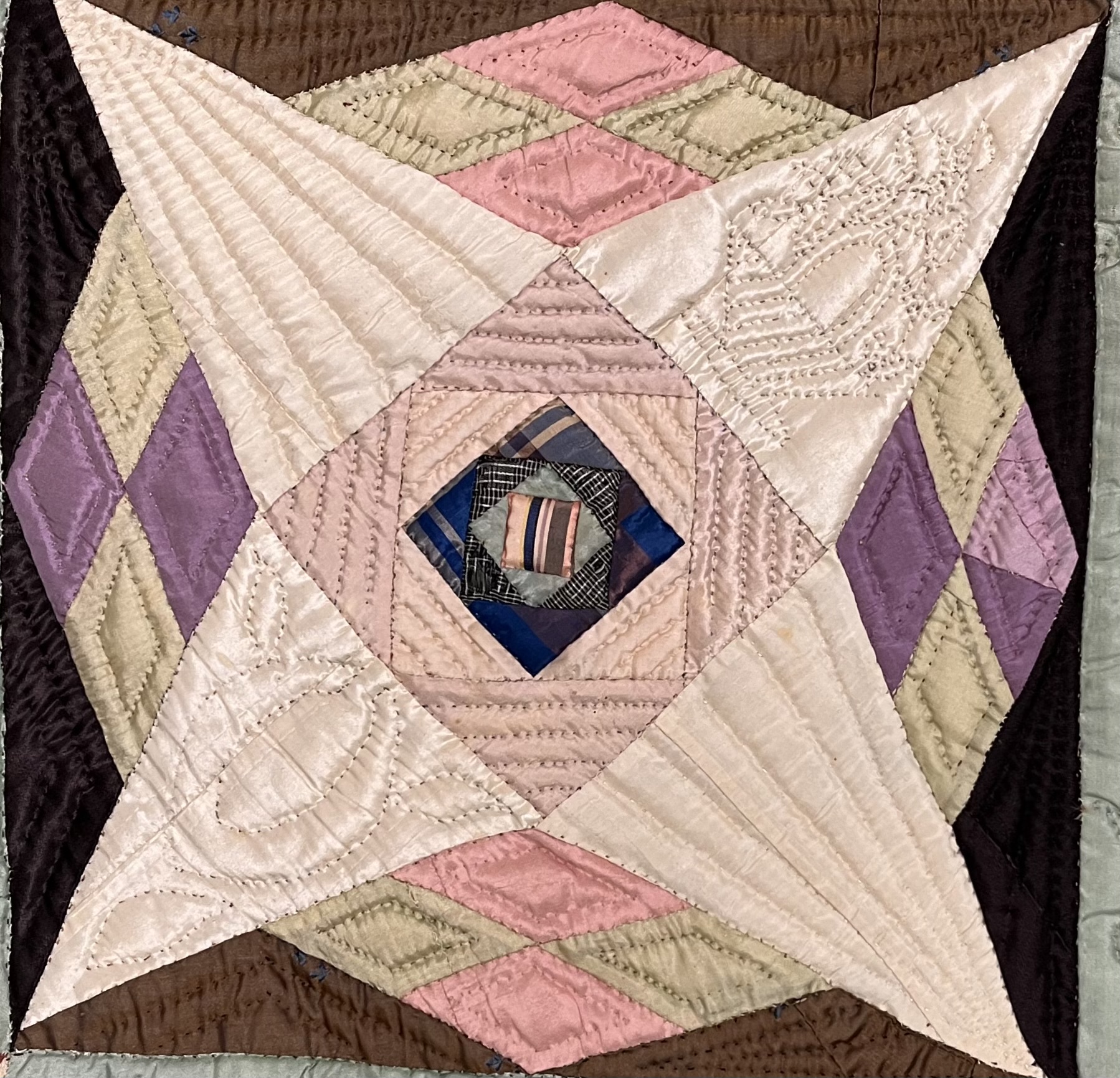
In 2018 Jeffrey Gutcheon’s quilt “Judy in Arabia” was exhibited at the New England Quilt Museum. His quilt caught my eye because of the use of color, from light in the center to dark at the edges and, also, the movement of the overall design. I discovered that Jeff had done all the drawings in his wife Beth’s book “The Perfect Patchwork Primer”. Jeff and Beth went on to write a second book together, “The Quilt Design Workbook”. This quilt and the block “Judy in Arabia” are included in that book. These are vintage 1970’s books and Jeff’s quilt was made in the midn1970’s.

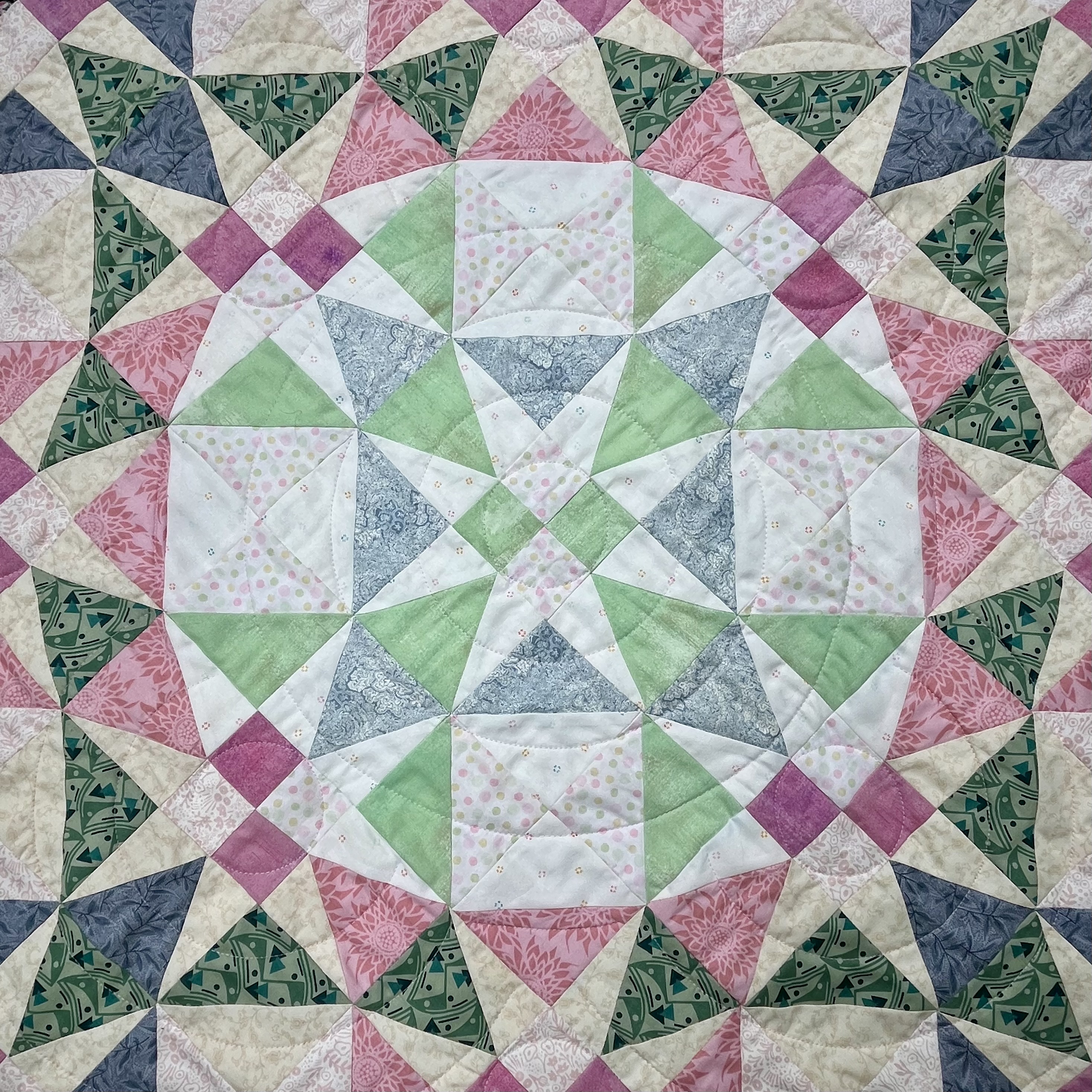
I chose to study Jeff’s quilt when I was given an opportunity to participate in the American Quilt Study Group 2025 Quilt Study. My quilt was exhibited at their Study Seminar in Portland, Maine, and although it was not chosen for their touring exhibit, it is included in the book documenting the study. My quilt is 42” x 42”. Jeff’s quilt is 72” x 84”.
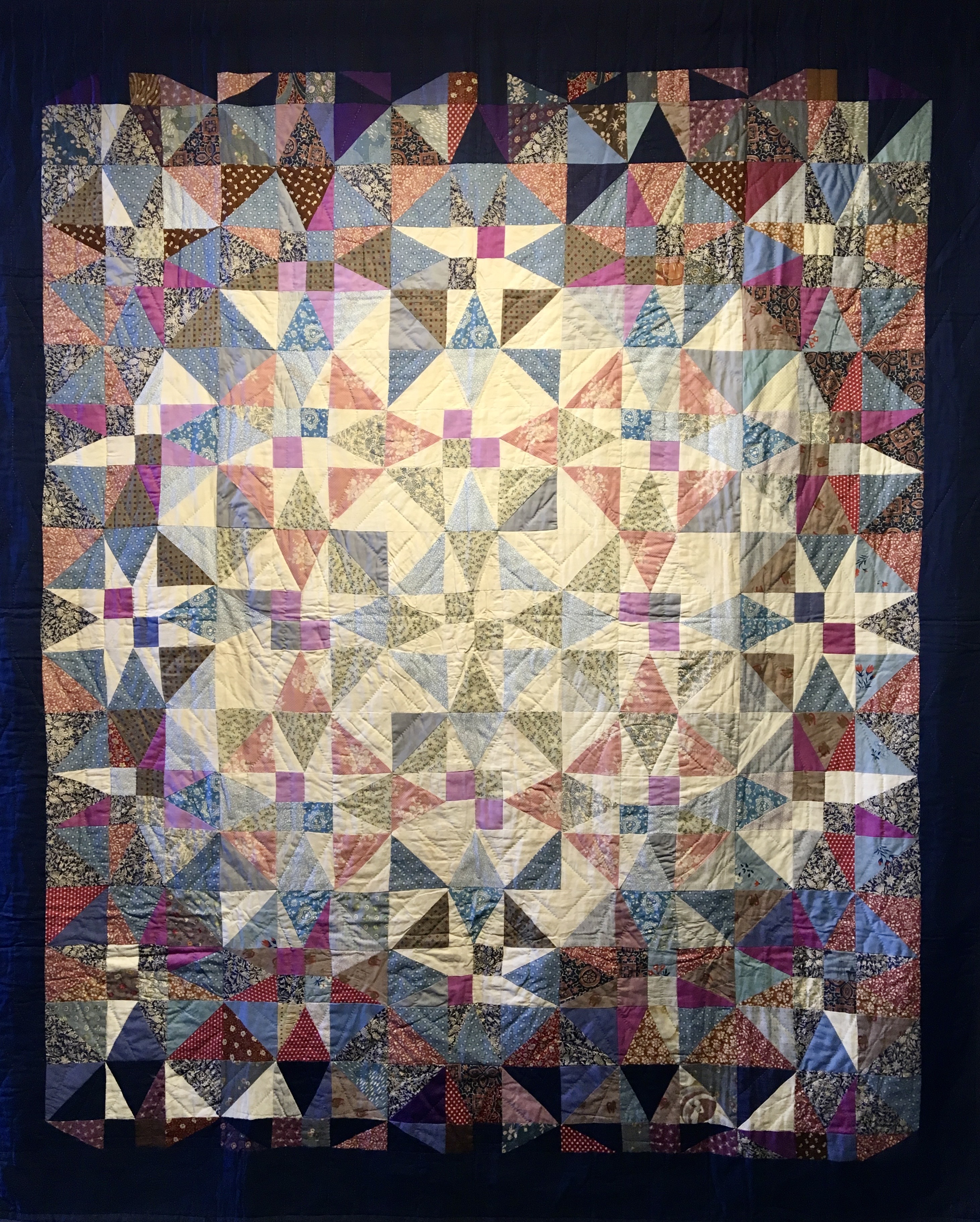
Jeffrey Gutcheon

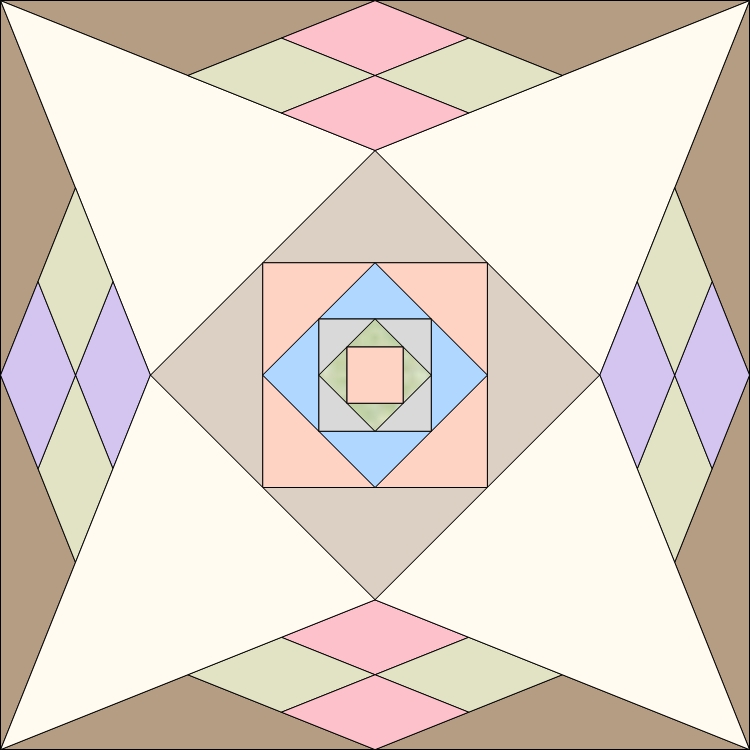
I took advantage of Electric Quilt to design my quilt. The block Judy in Arabia is in Barbara Brackman’s Encyclopedia of Pieced Quilt Patterns, and I have that add on, BlockBase+, in my EQ8 software.

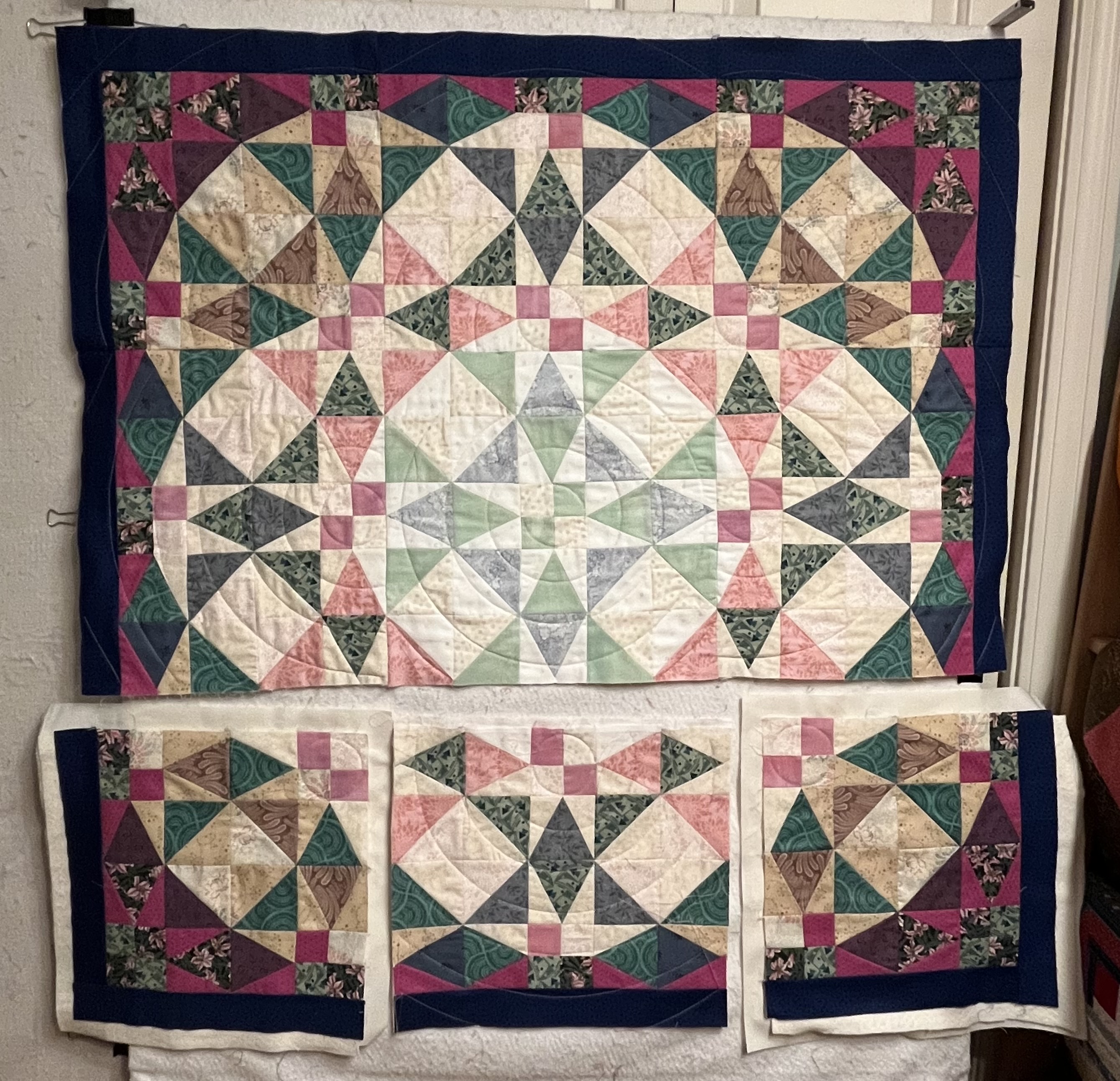
My process involved studying Jeff’s quilt and then finding fabrics to get the right values from light to dark with an overall vibrant look. I ended up redoing the center of the quilt, because I did not think the green fabric was dramatic enough

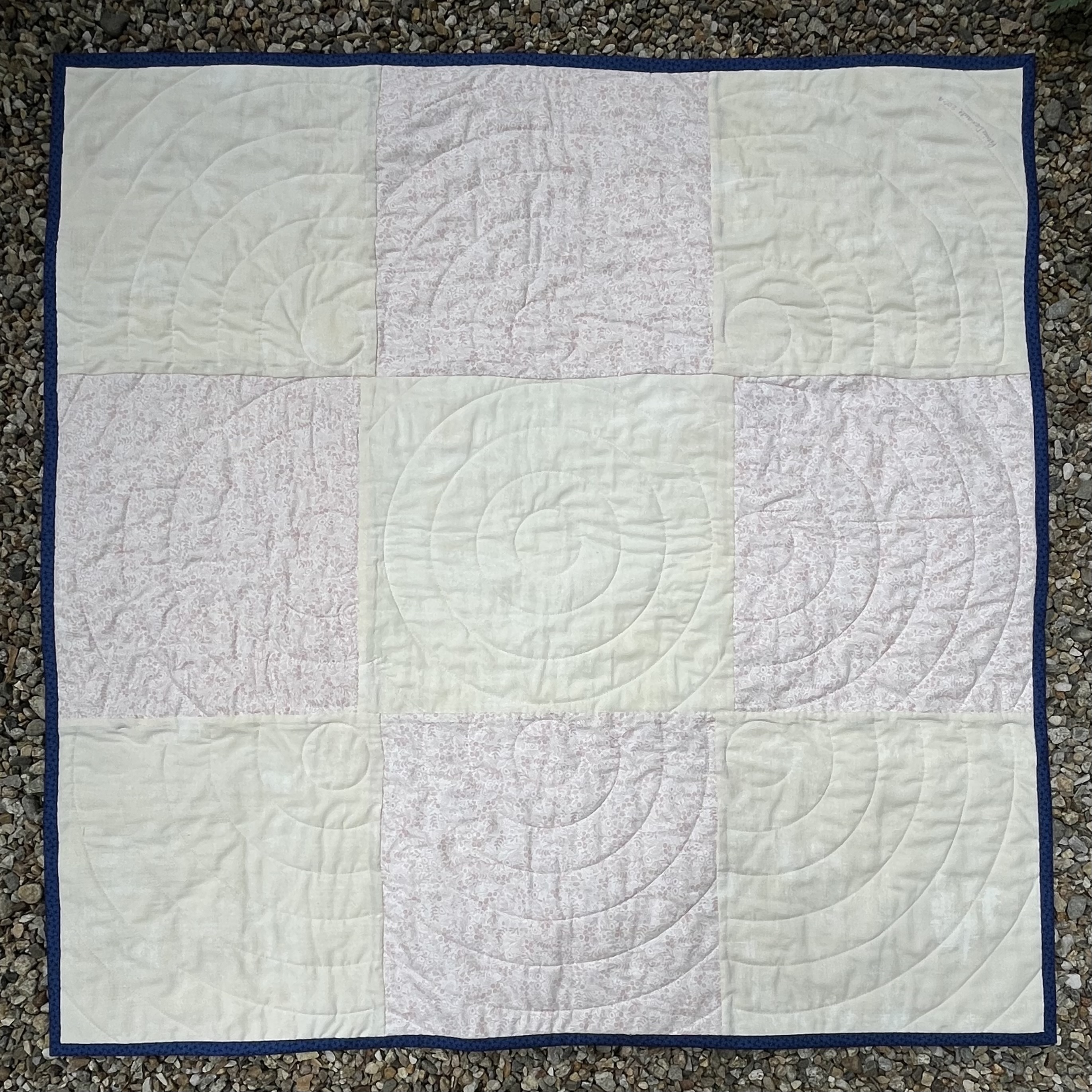
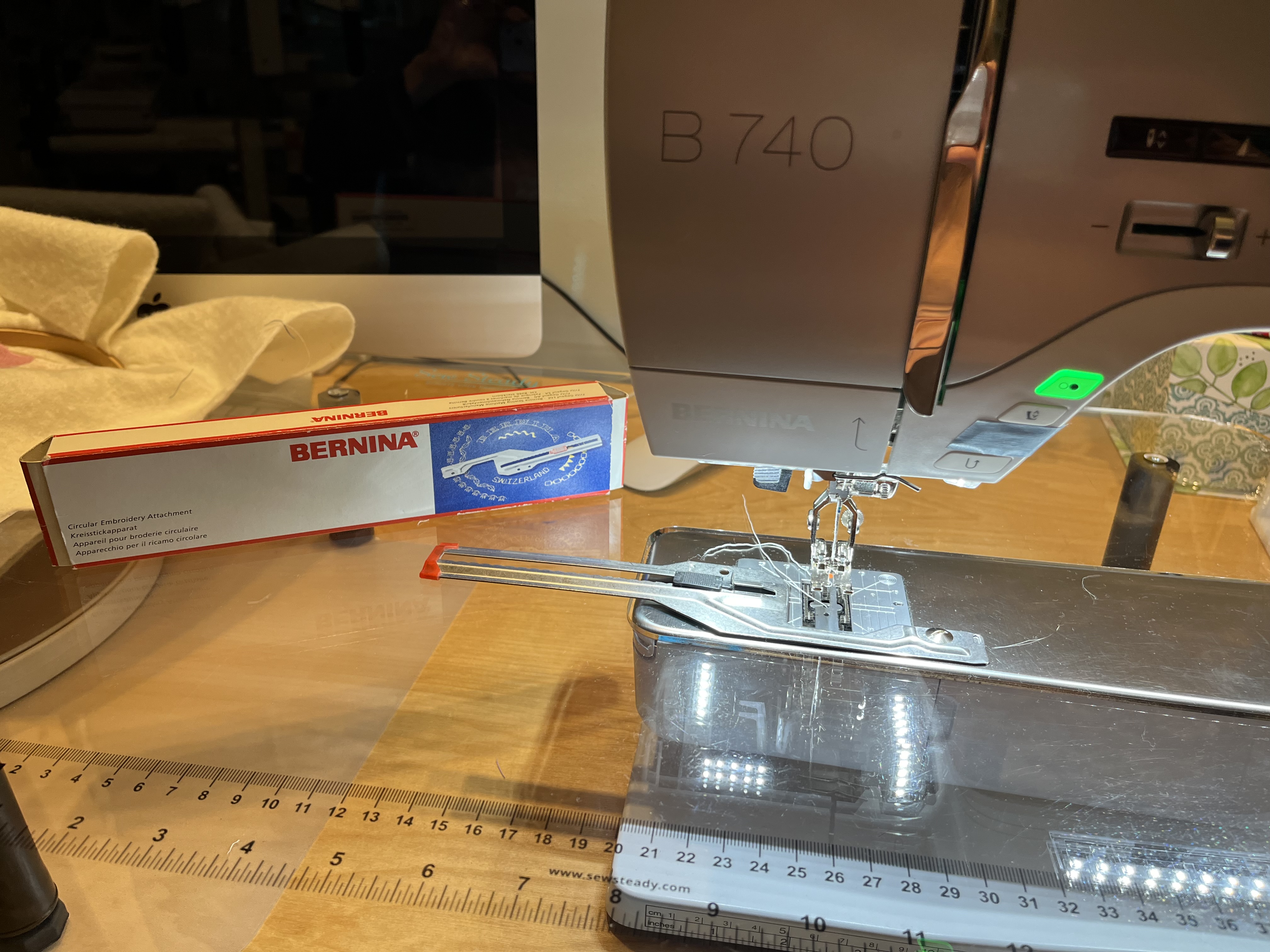
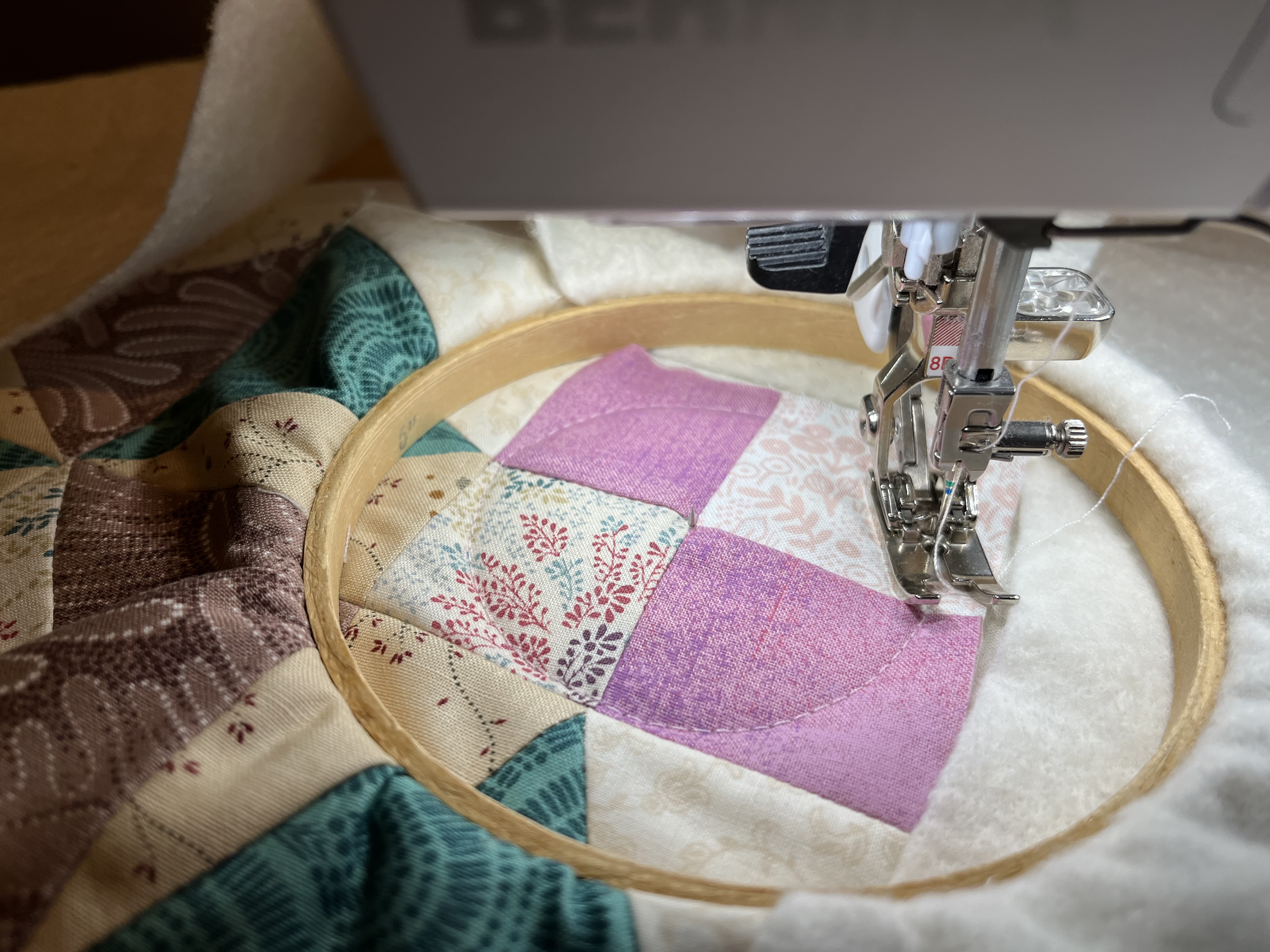
To finish my quilt I decided to use a style of quilting typically seen in quilts made in the 1970s. Quilting was much less dense and often done on a domestic sewing machine, if not by hand. I decided to use my BERNINA 740 with the circular sewing attachment. Once I made my first circle with the attachment I then traced that to fill the block. I also decided to use a quilt as you go, or potholder, quilting technique. This made it much easier to manage the quilting on my domestic machine and I was able to achieve perfect circles.
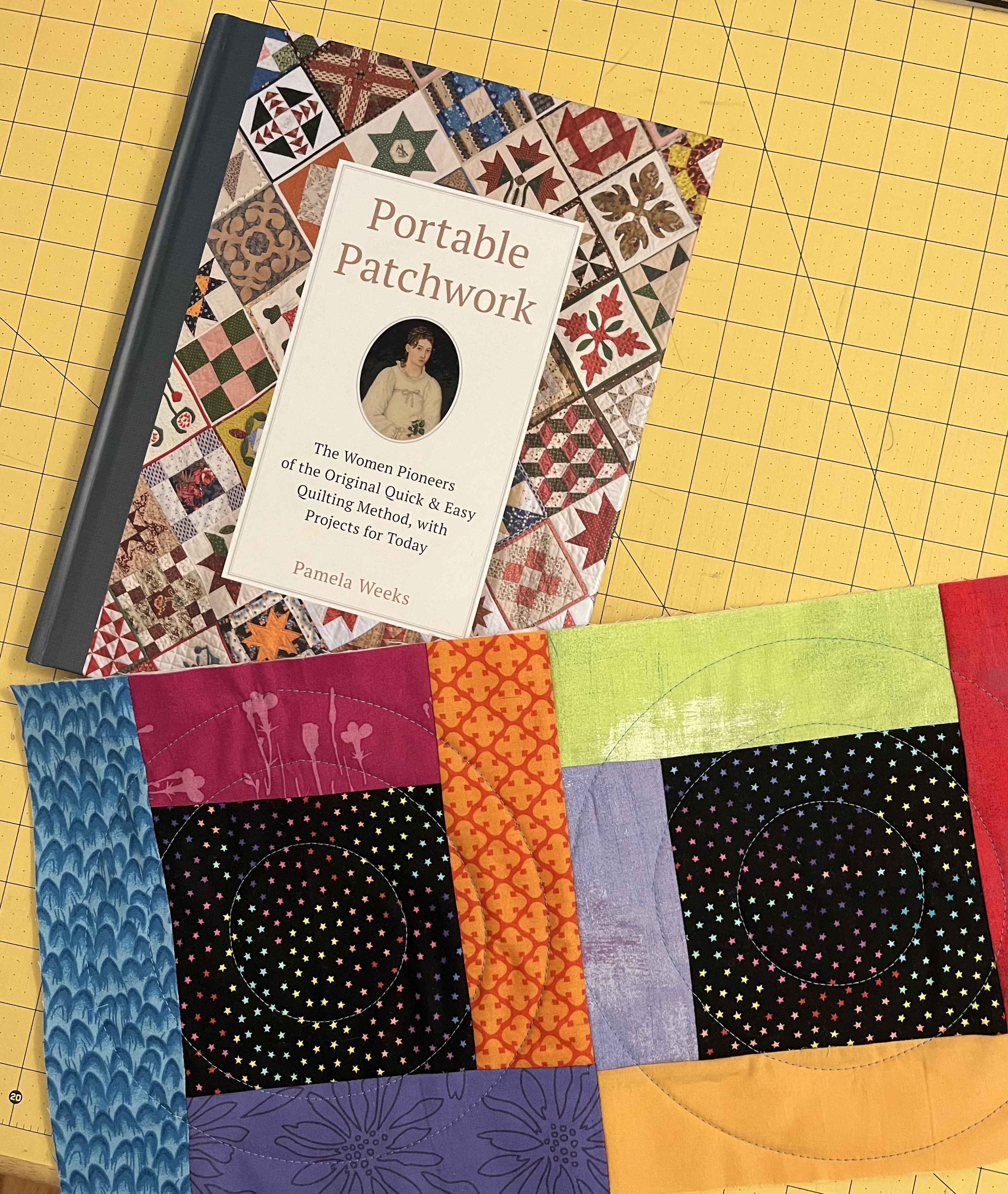
You can read more about Quilt as You Go techniques and the history of this type of quilting in Pam Week’s book Portable Patchwork.
The Silk Quilt Reimagined

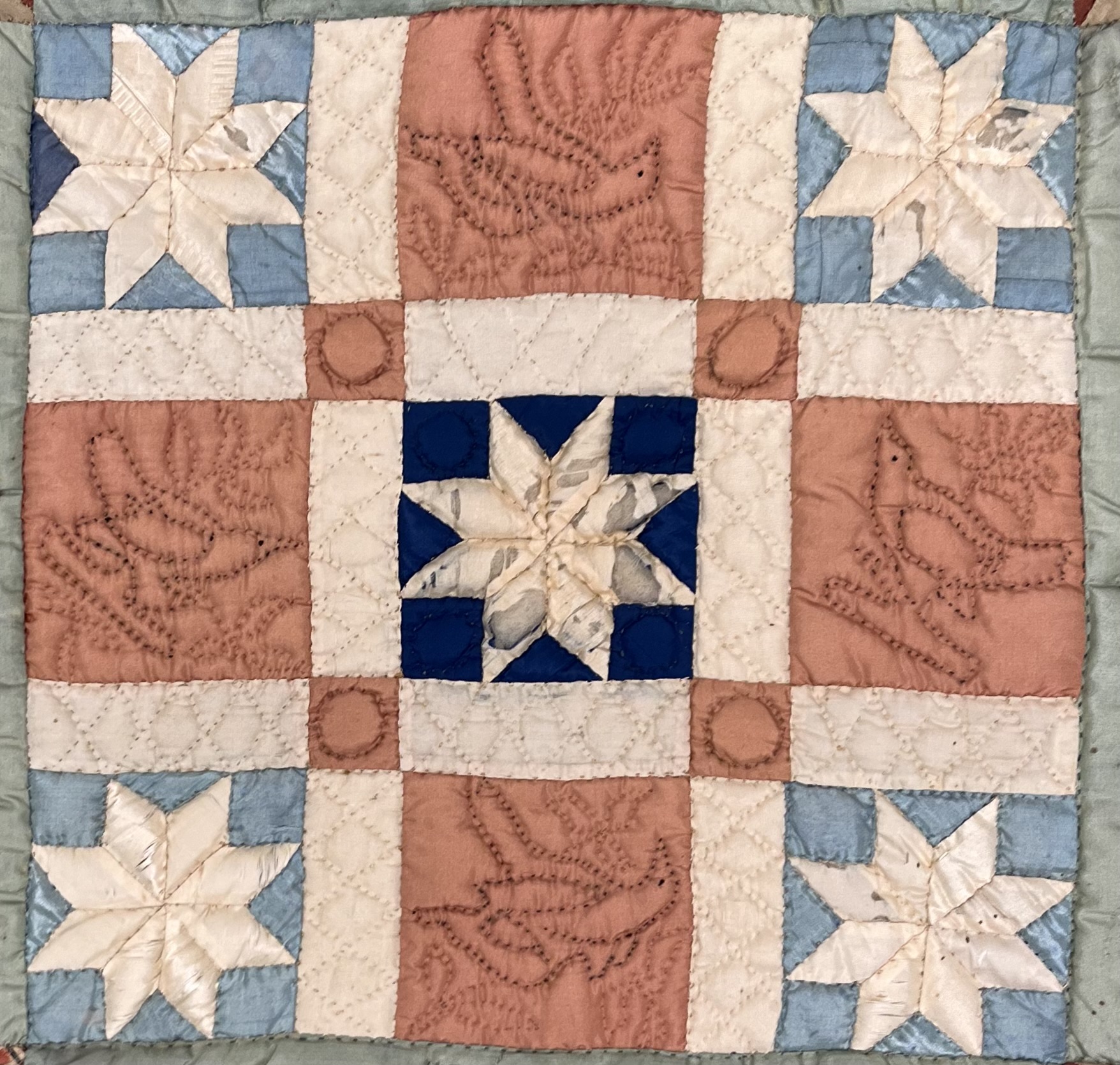
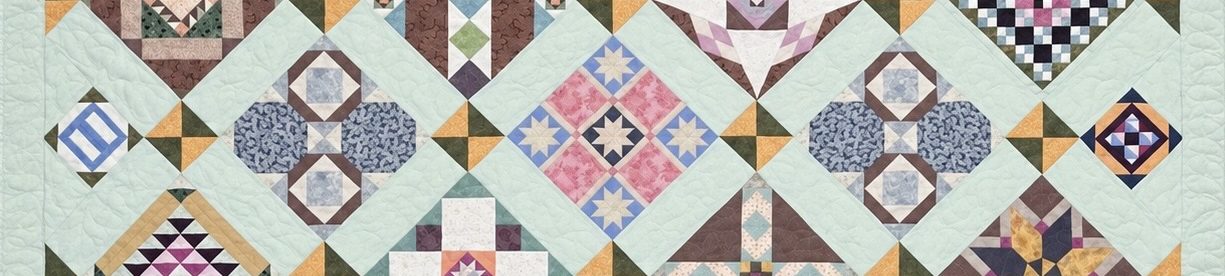
This marvelous quilt was made by Lizzie Johnson White sometime in the late 1860’s to early 1870’s. Lizzie was living in Pennsylvania when she made her quilt. Each of her blocks are unique designs made with scraps of silk. It is exquisitely quilted.
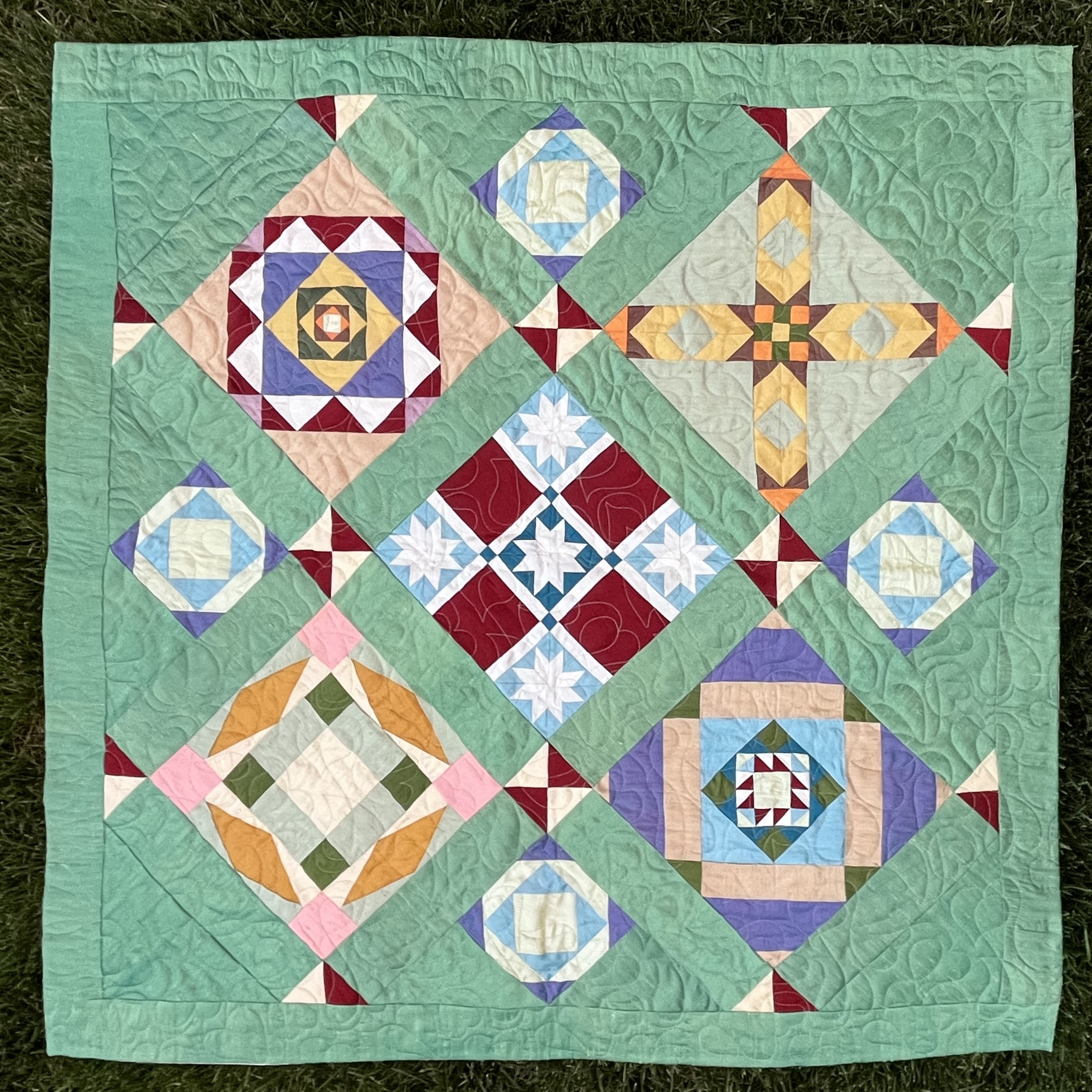
After being given the opportunity to view and study this quilt at the New England Quilt Museum I drafted Lizzie’s designs and gave them each a name. I also included the variations of her four-patch snowball block used throughout the original quilt.

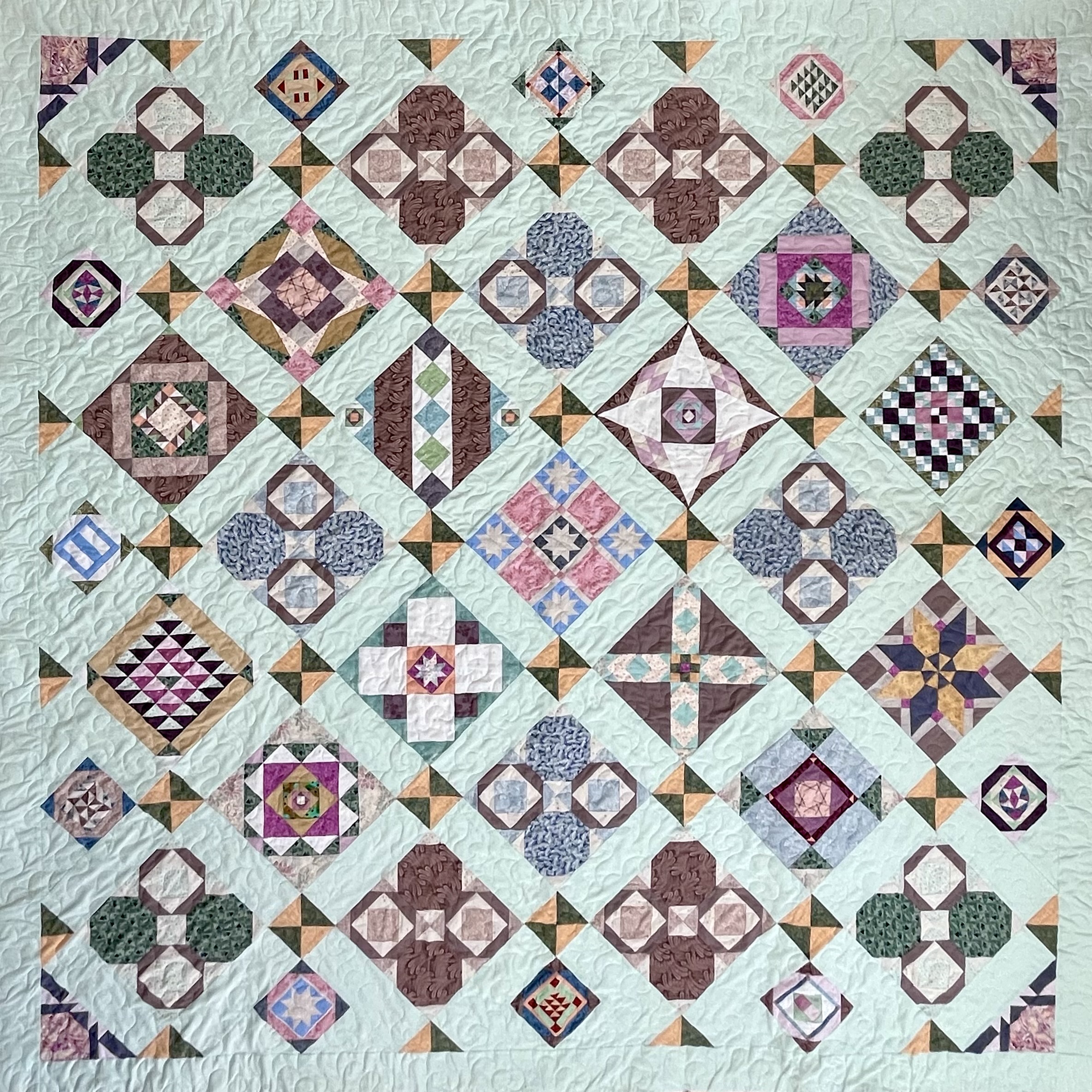
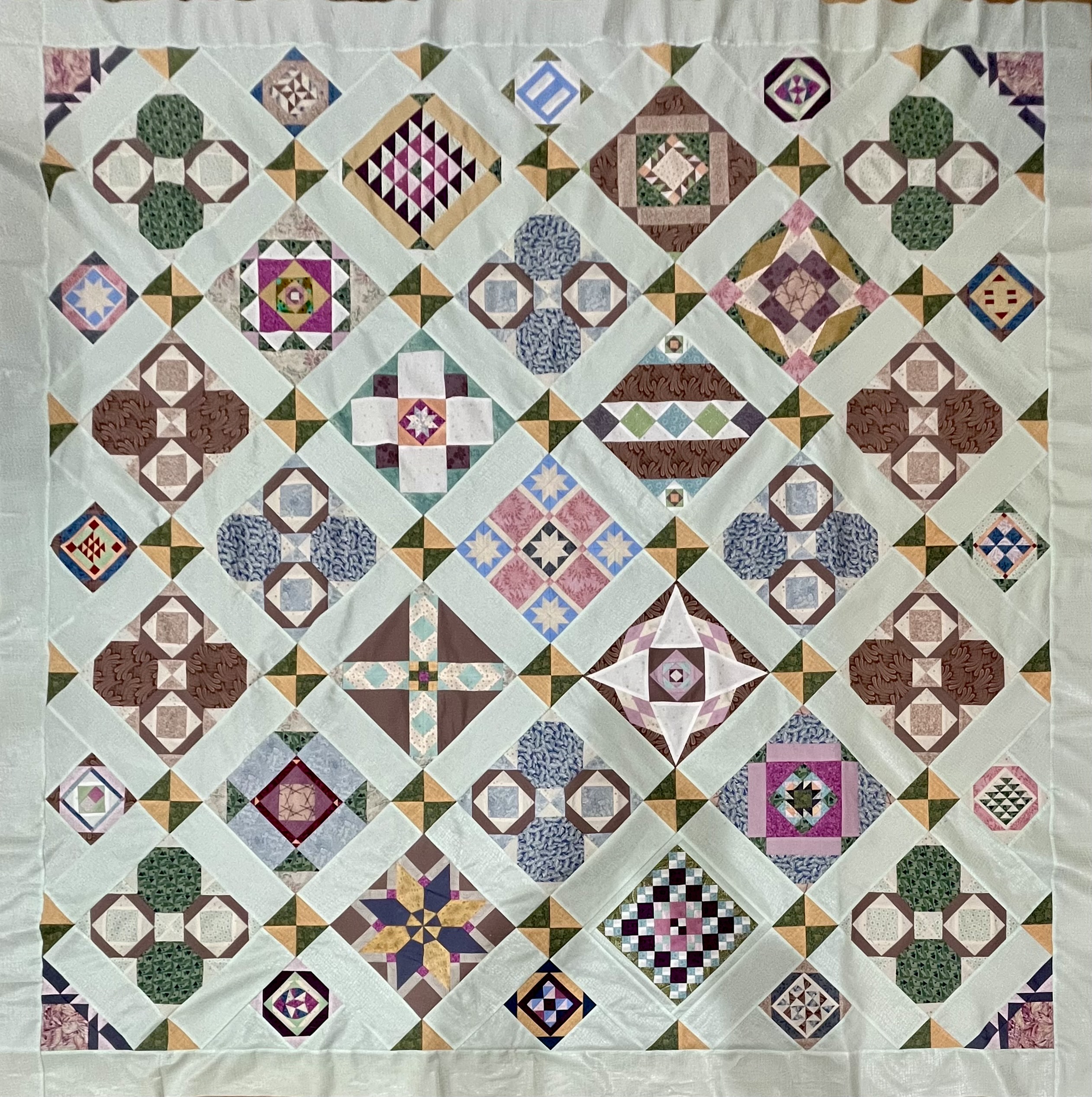
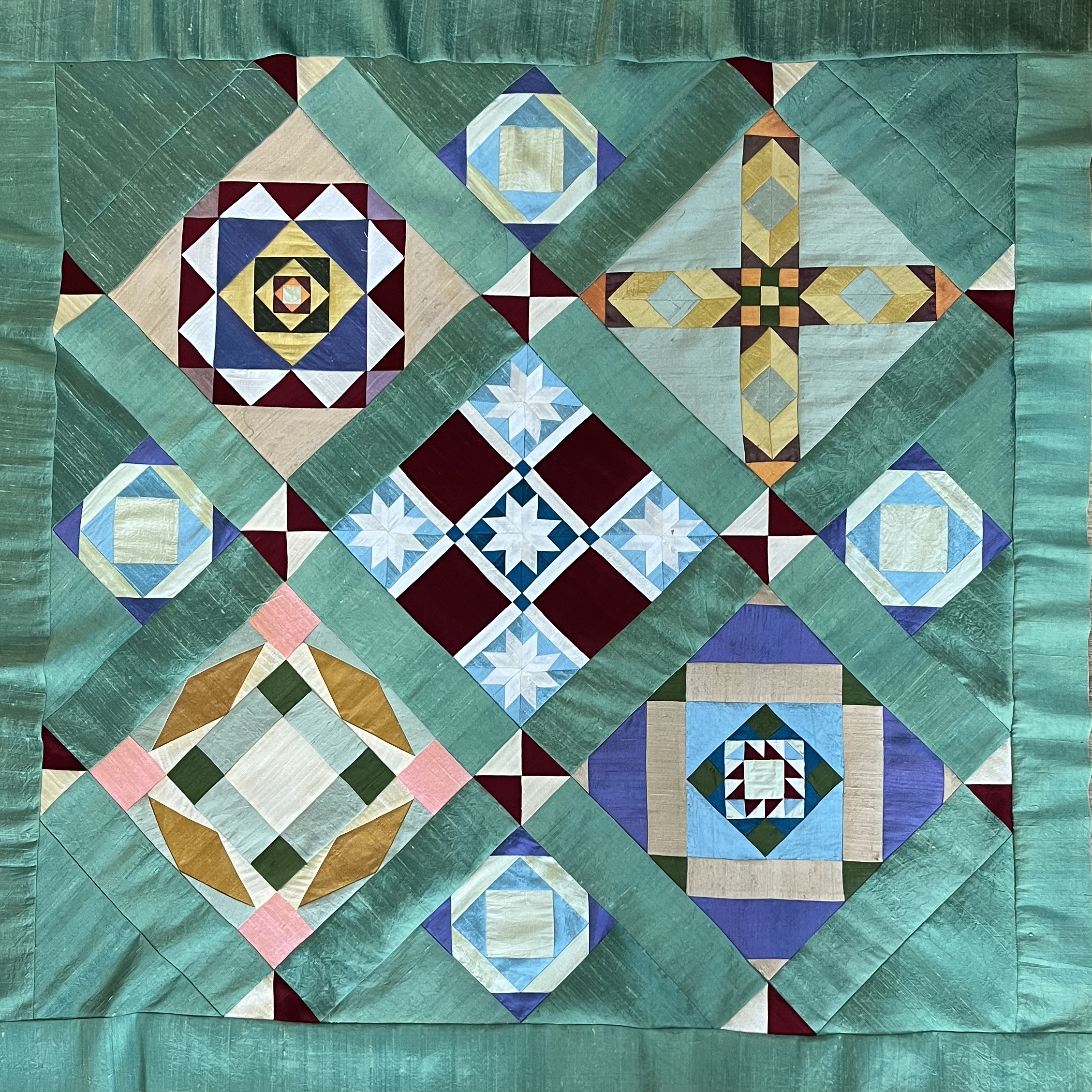
In my reimagined version of the quilt I have arranged the blocks differently than Lizzie did and I included her snowball variations, and some of my own designs, in the setting triangles. I used quilting cotton in this quilt, but I chose a metallic fabric for the sashing and borders to give it a nice silky shine.

If you would like to make your own version of Lizzies’s quilt you can purchase and download the pattern. The majority of the block patterns use the foundation paper piecing method, so please be comfortable with that method for making your blocks. This is a digital PDF download. No printed book will be mailed. A printer is required to print the patterns and instructions.

Reimagined Quilt by Patrice Denault

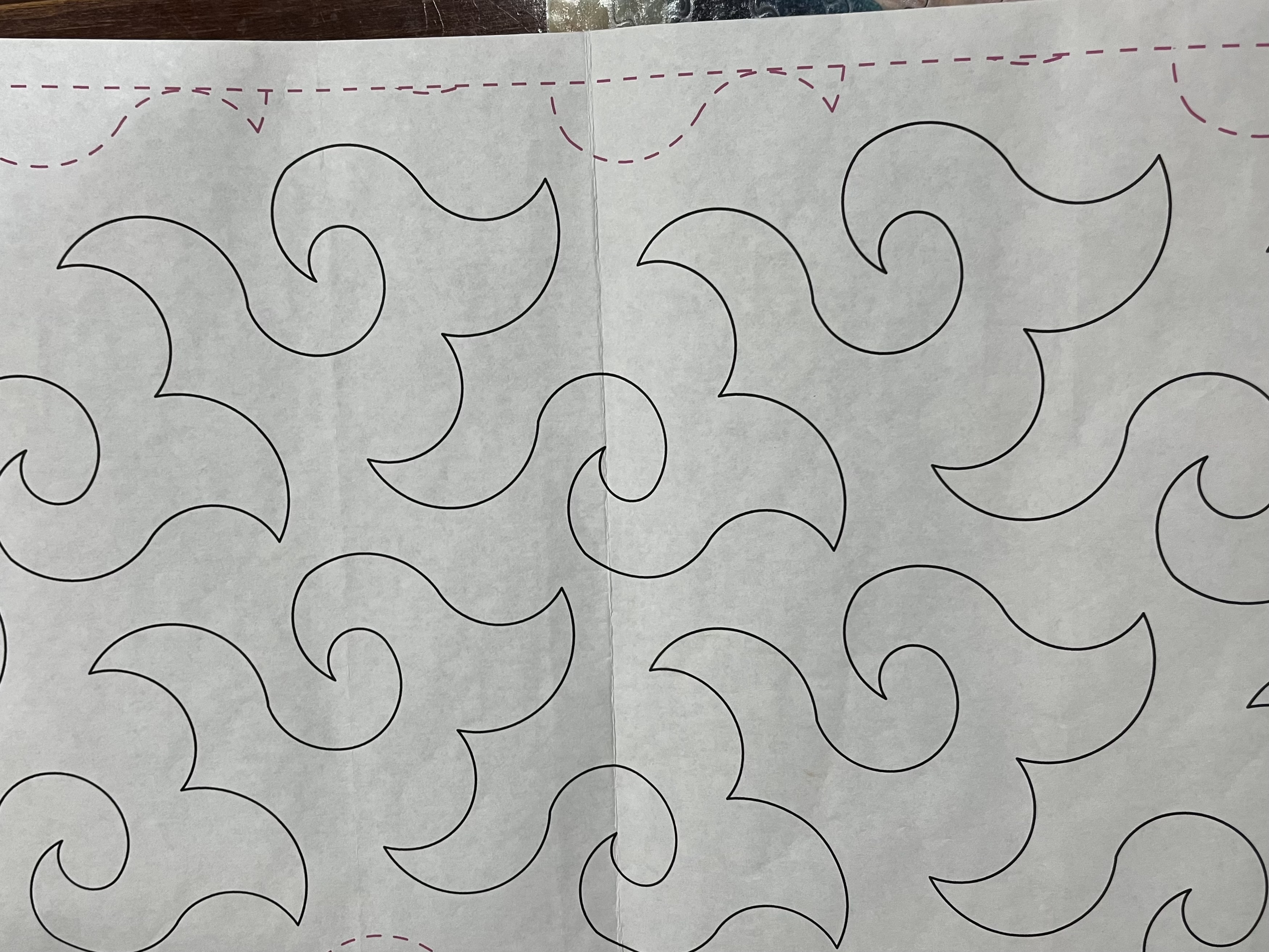
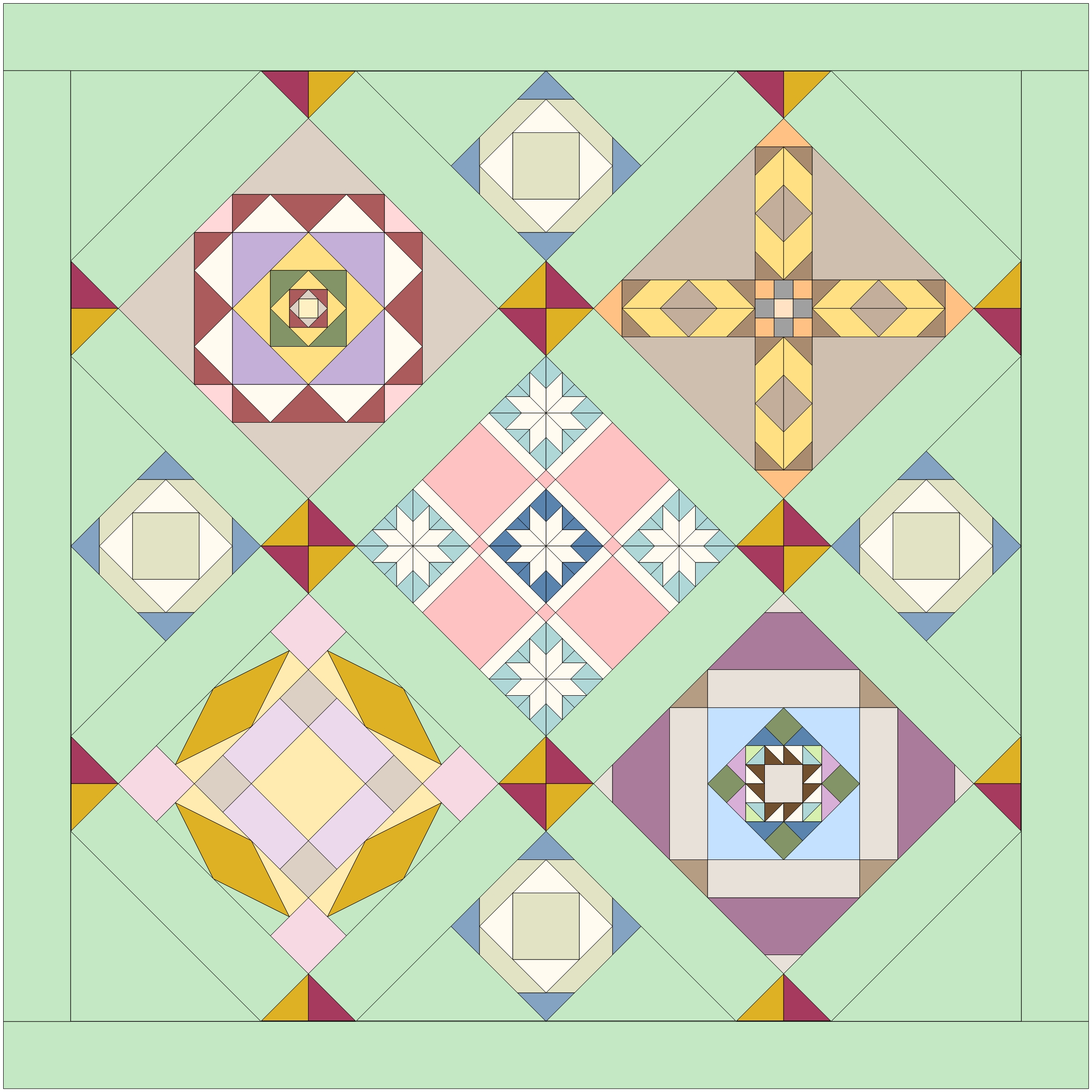
Here is the EQ8 Design, the top and the pantograph I used.

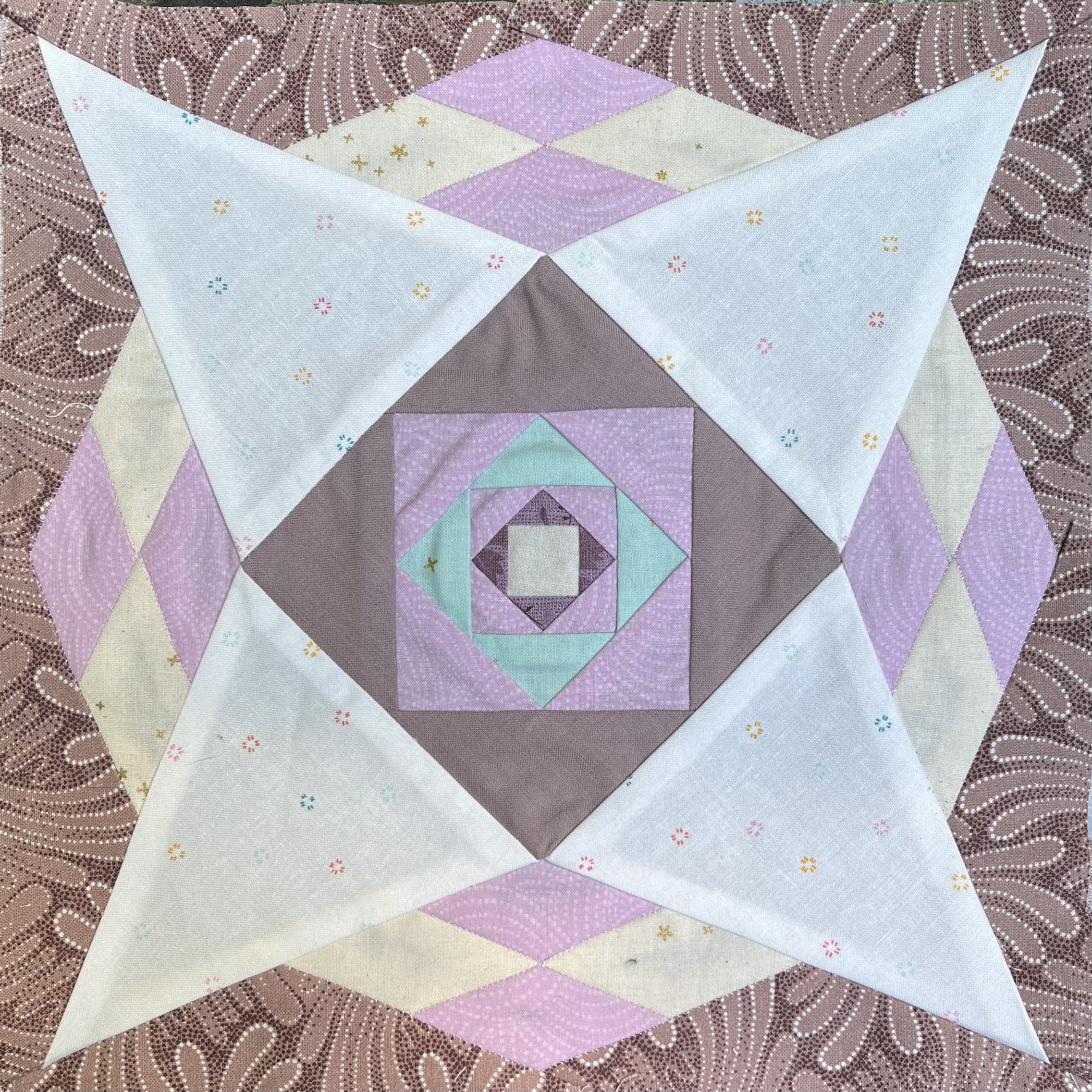
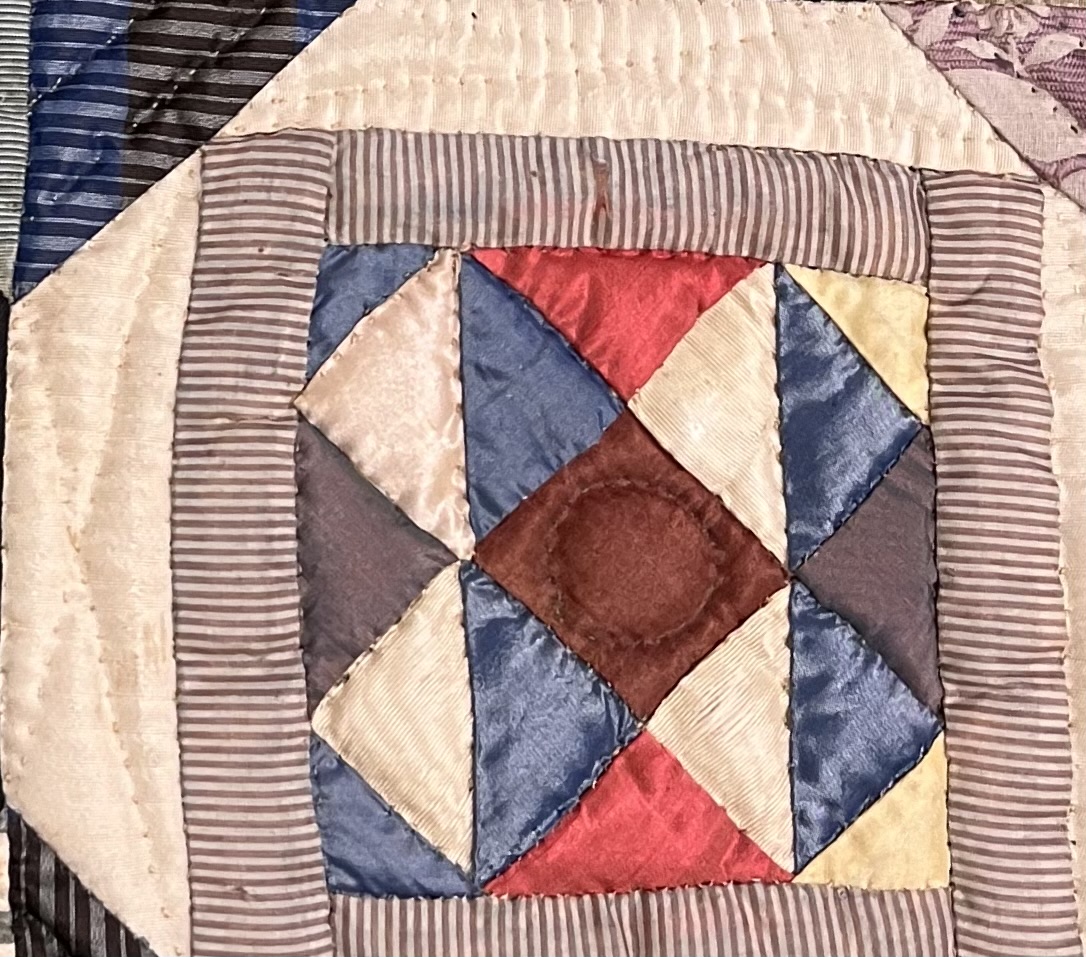
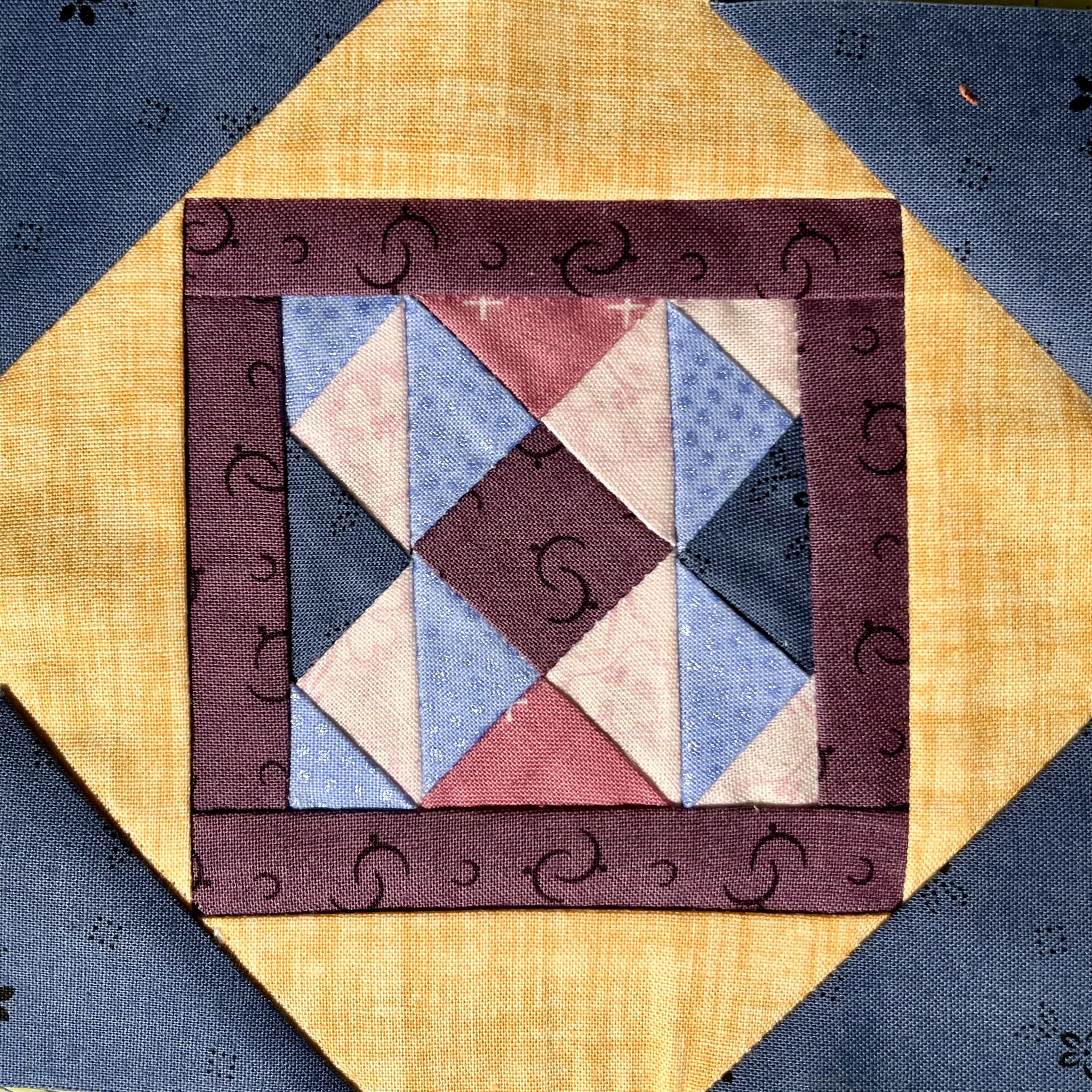
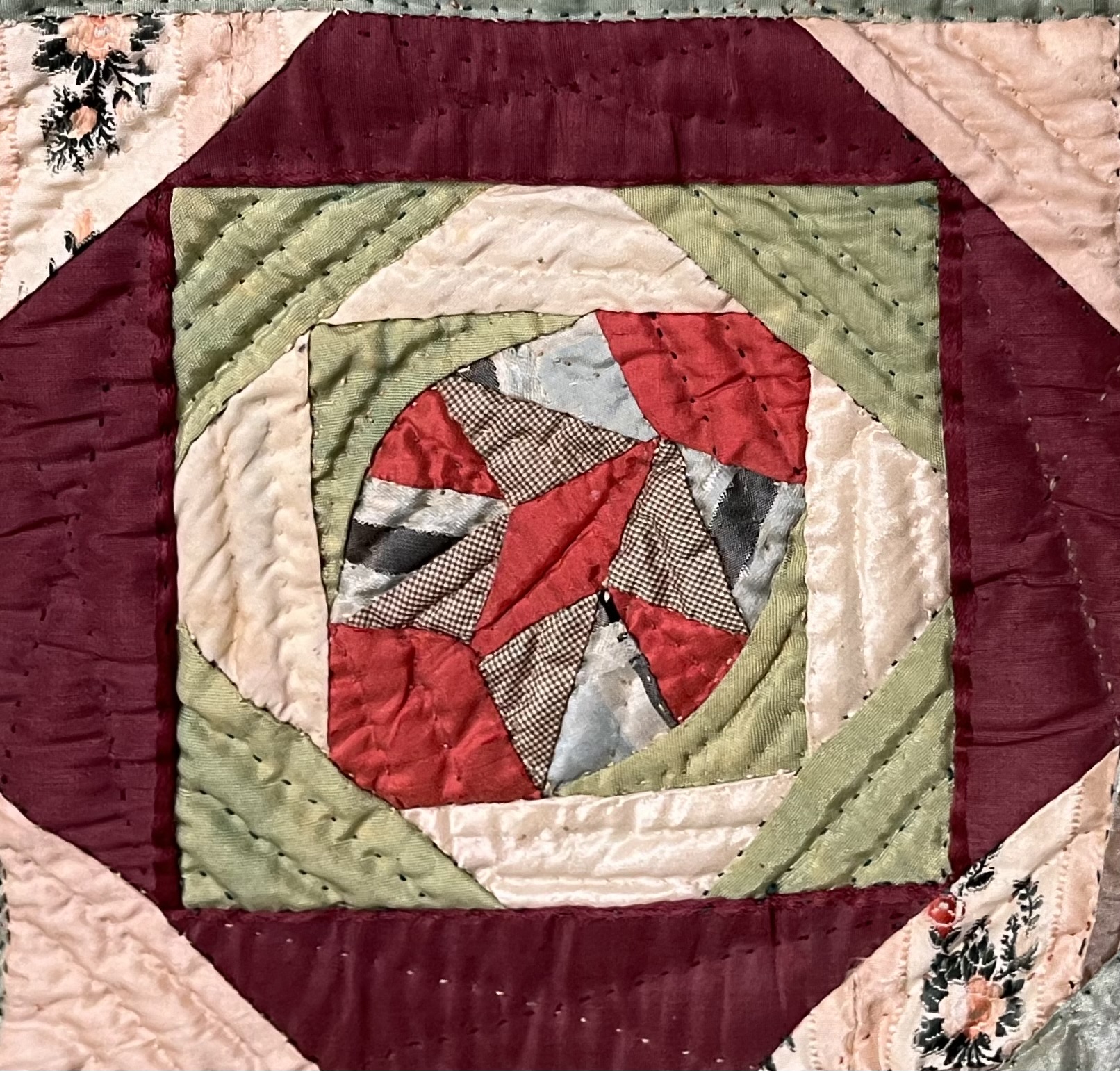
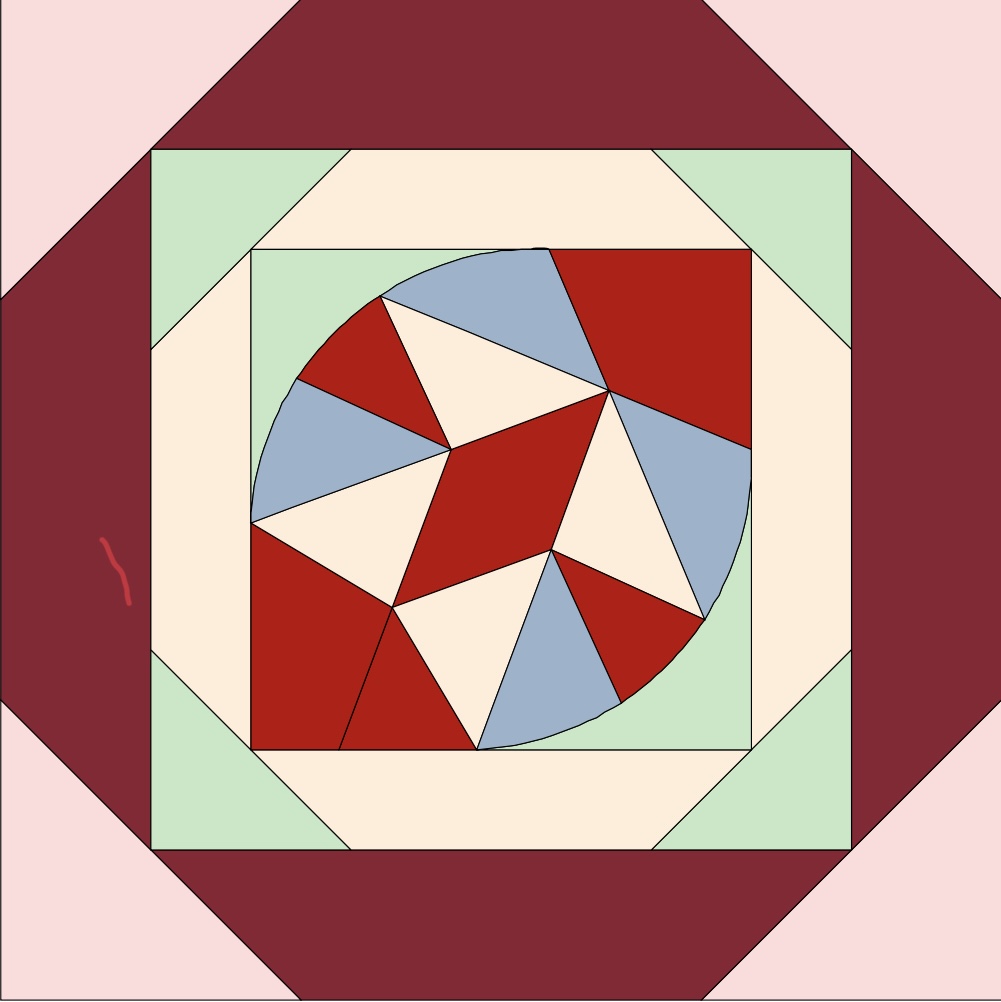
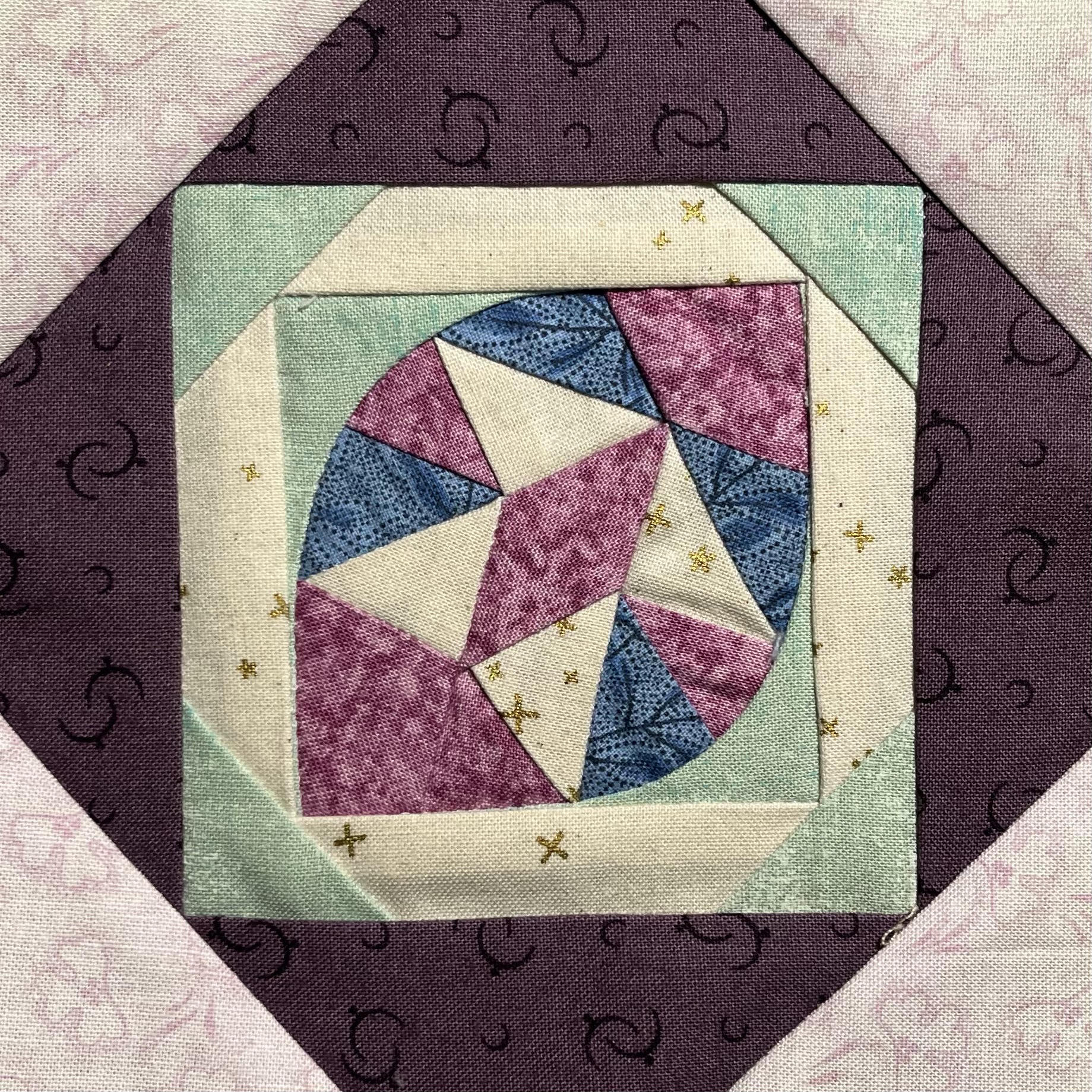
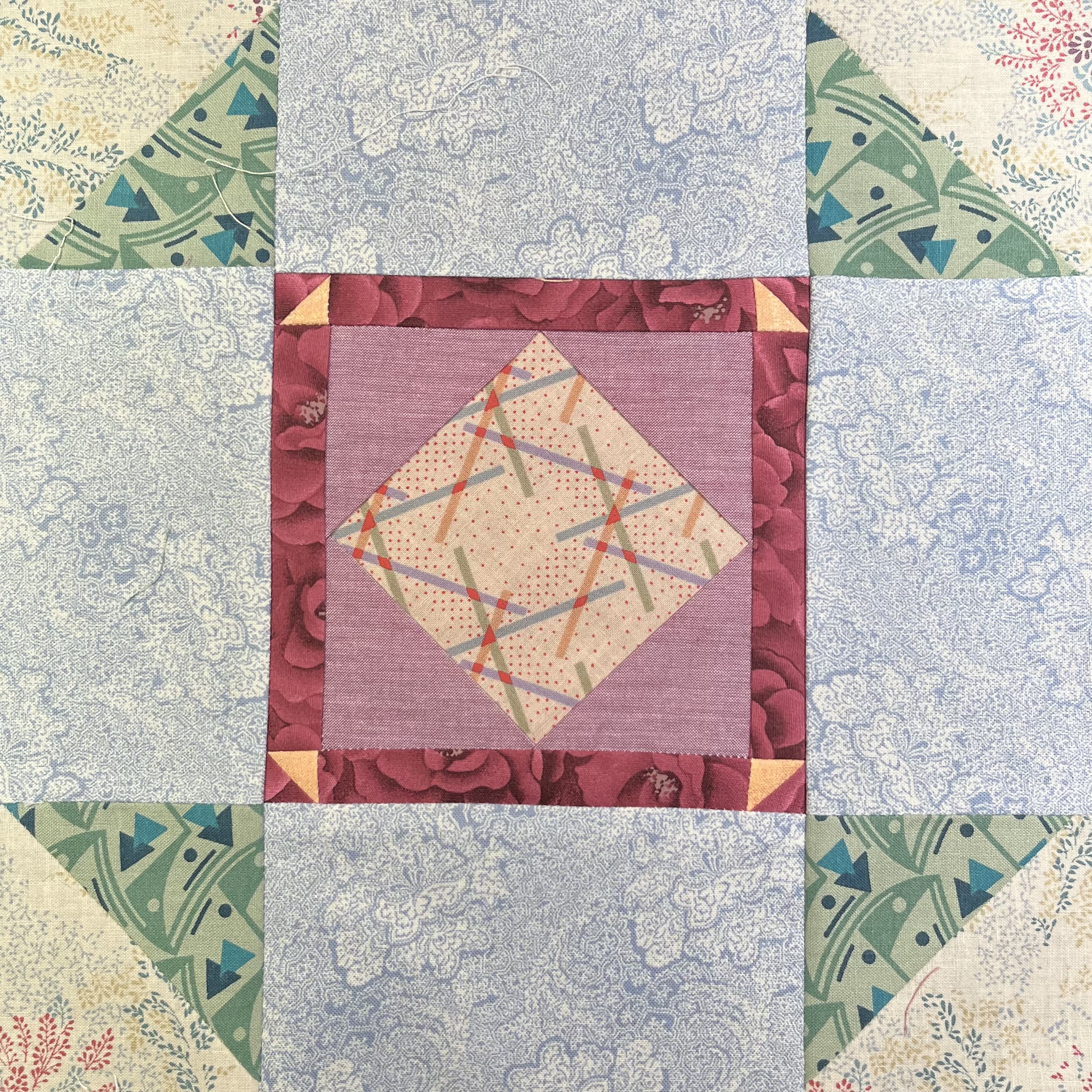
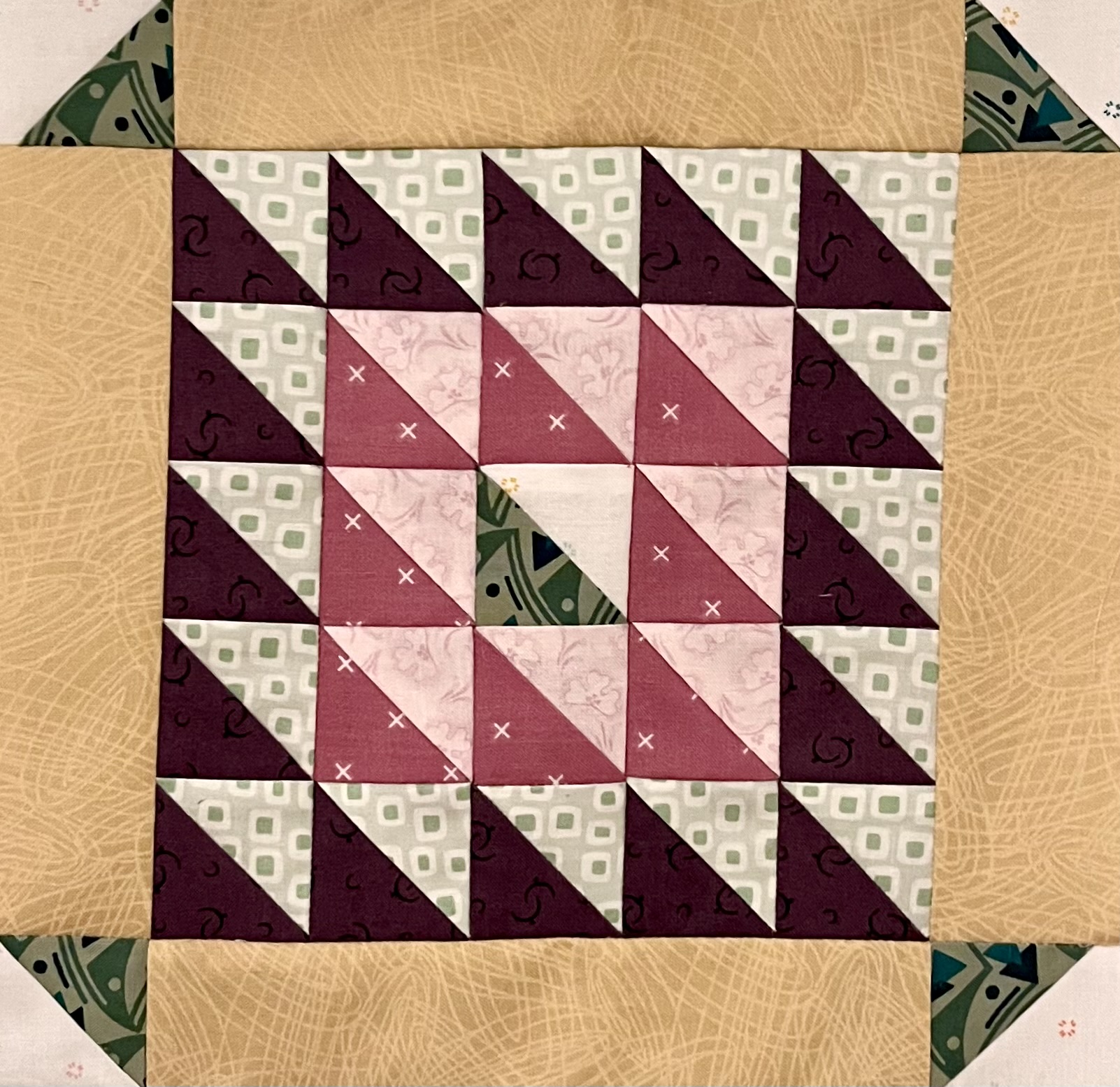
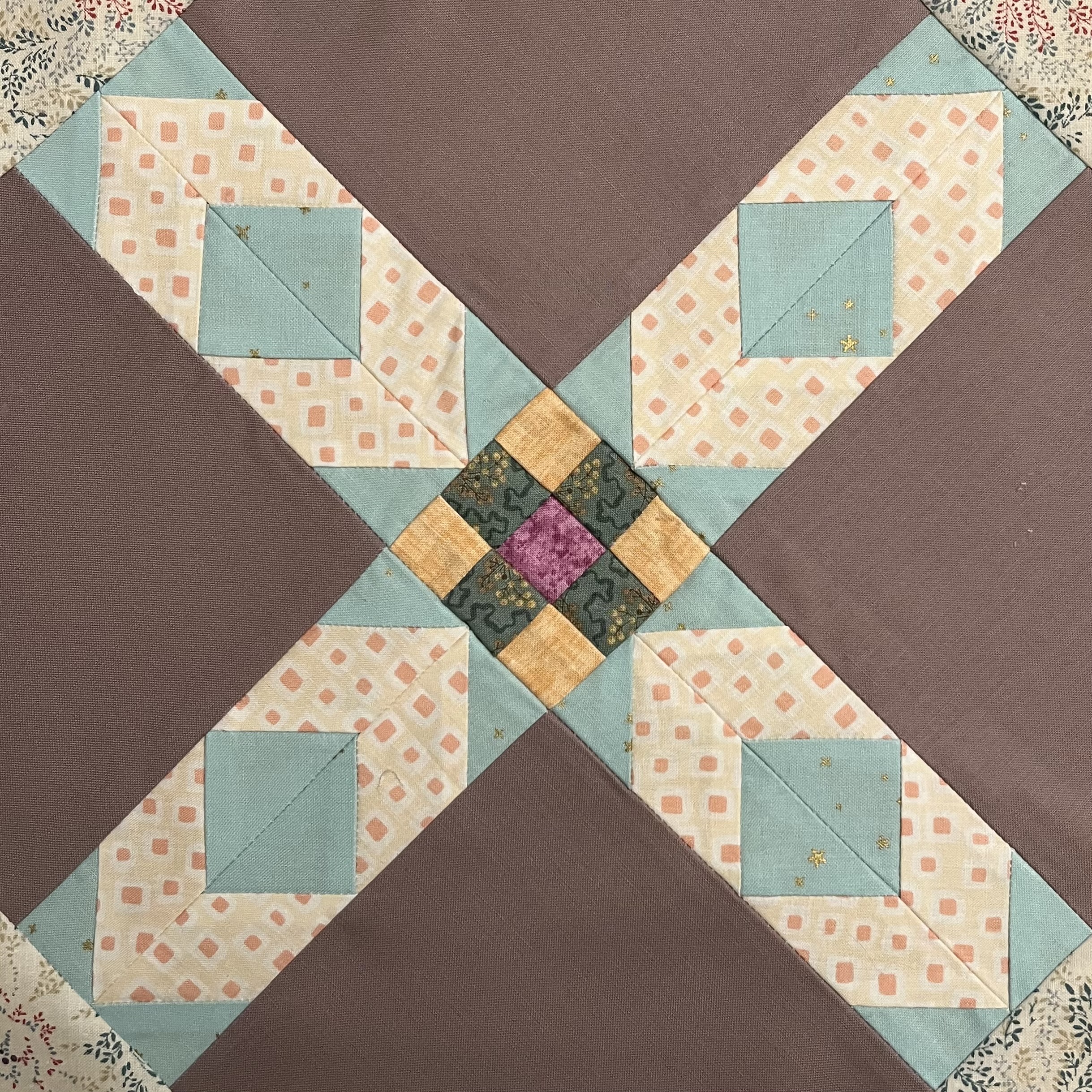
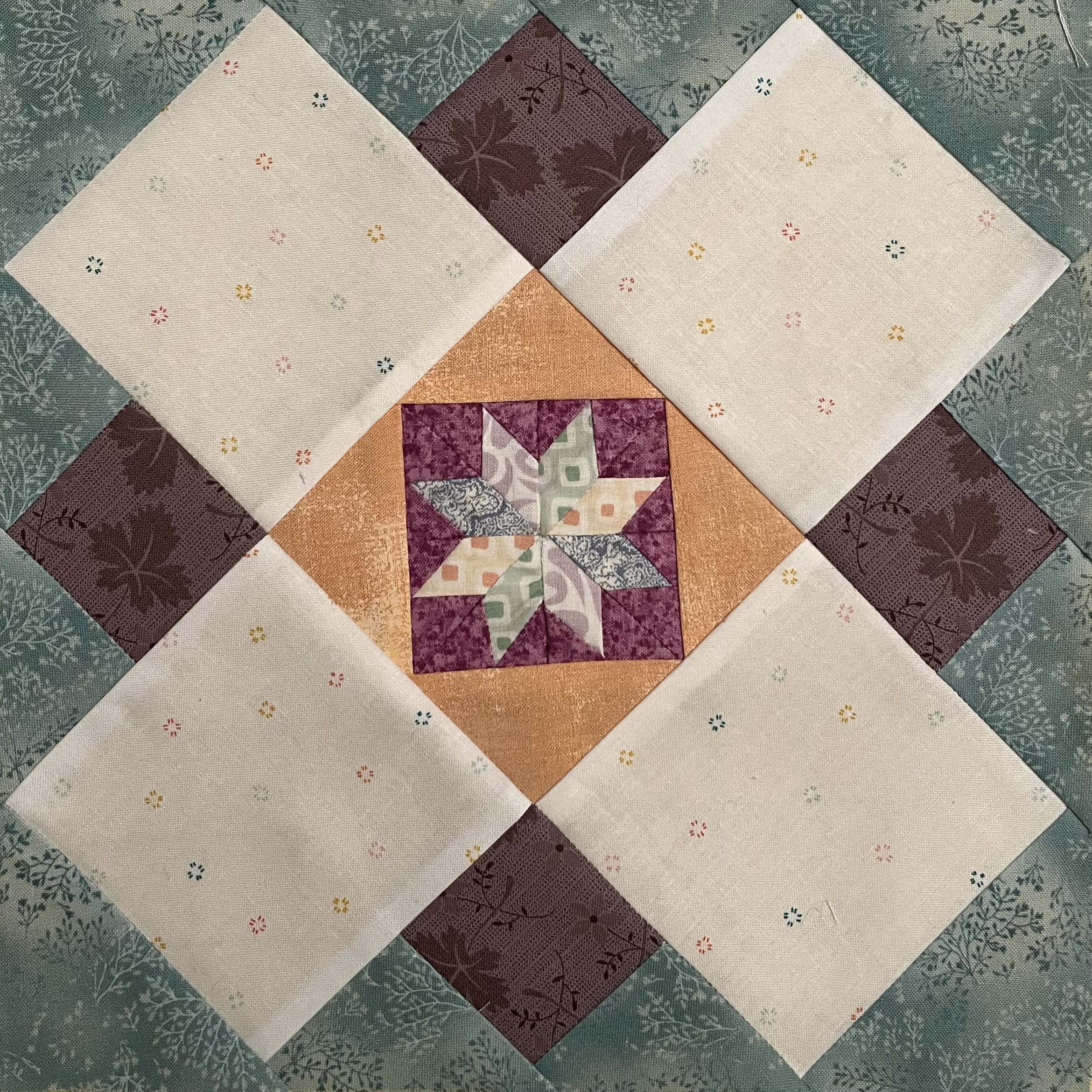
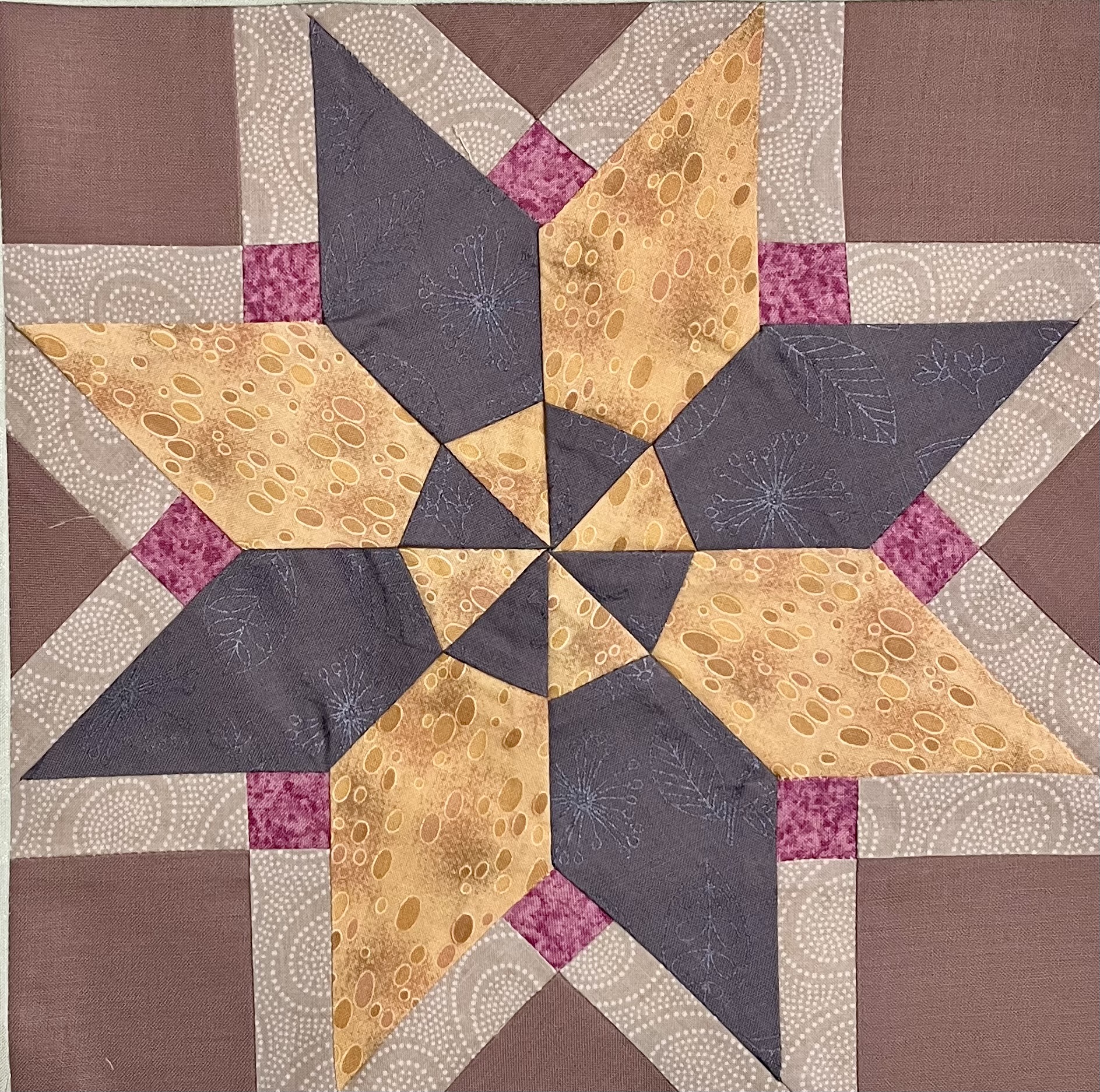
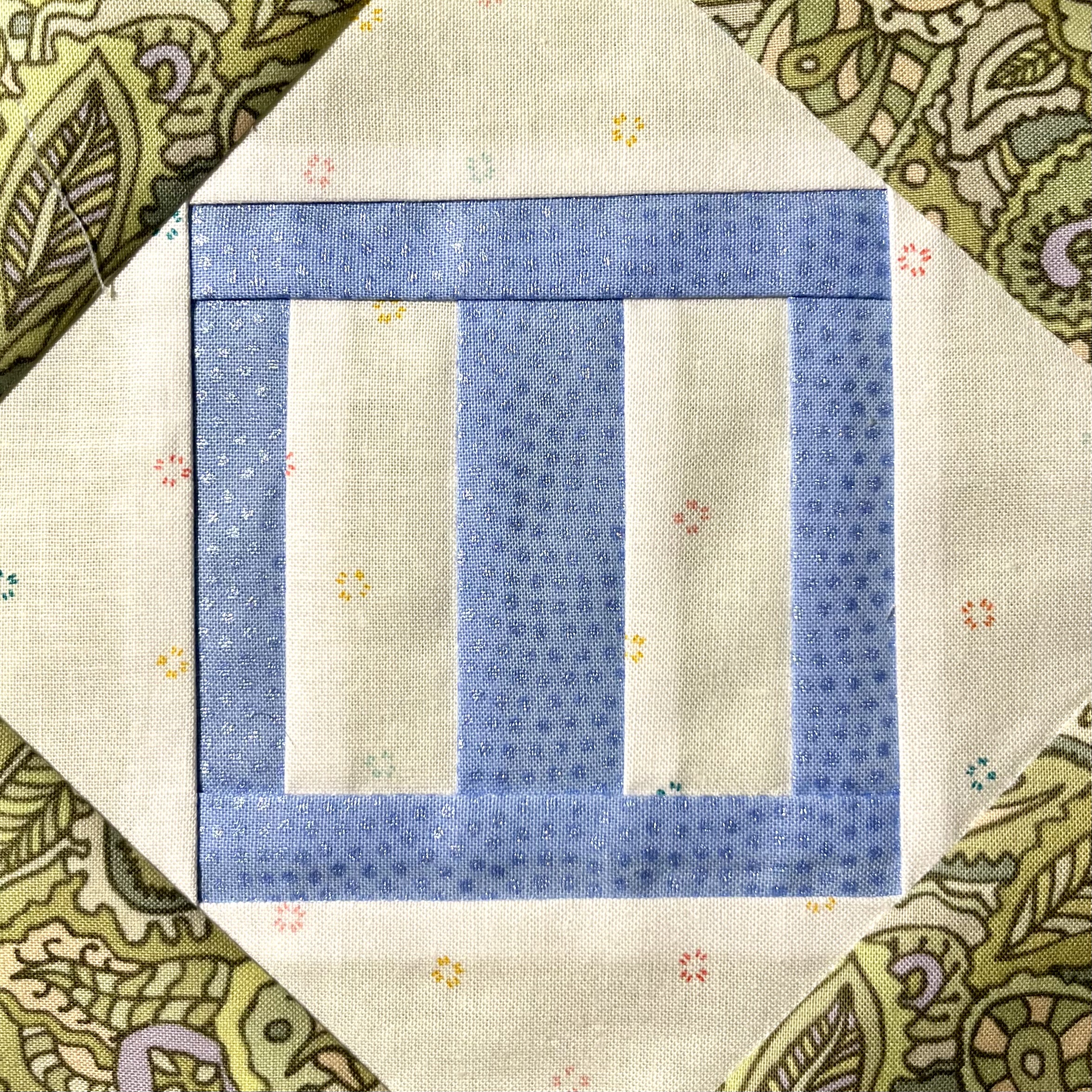
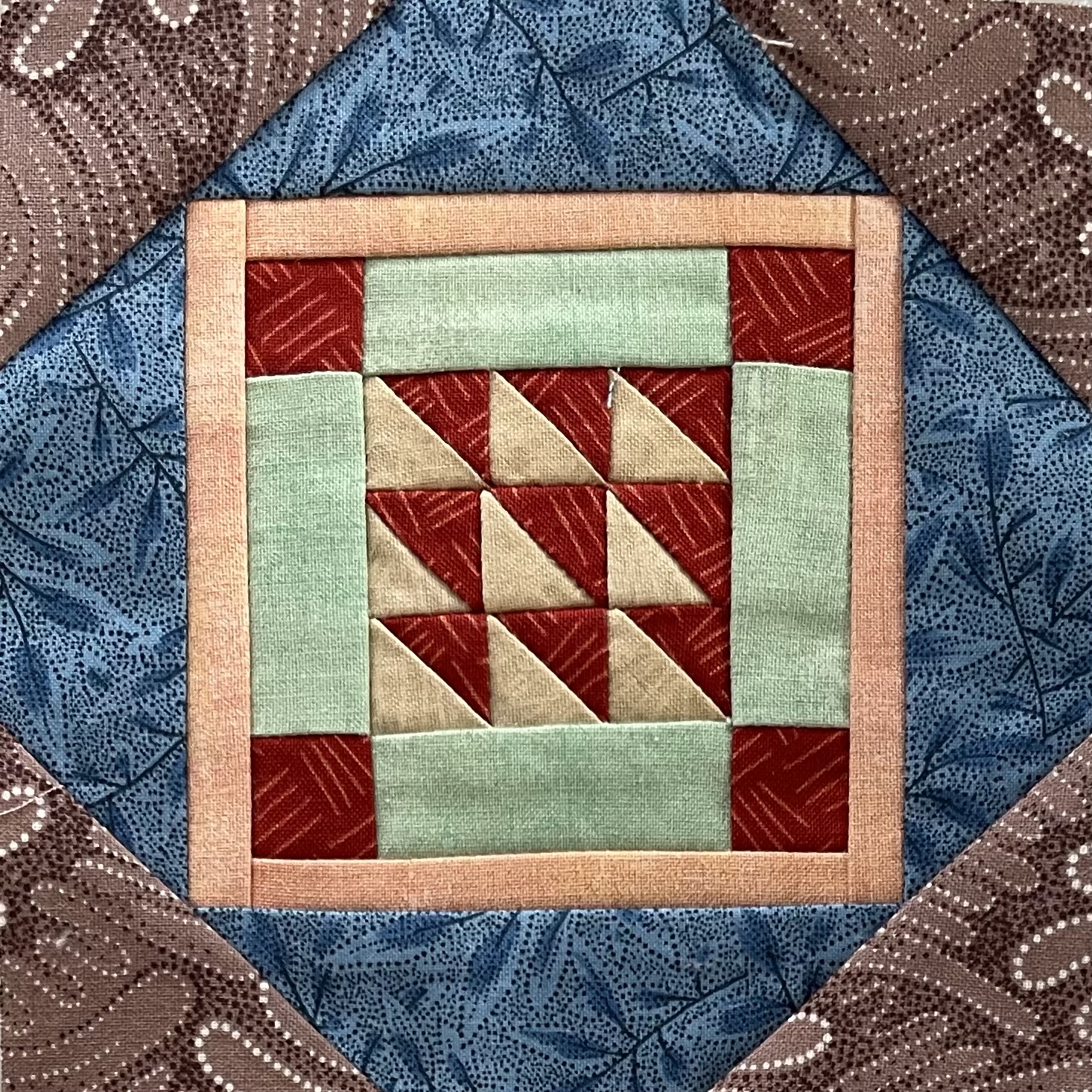
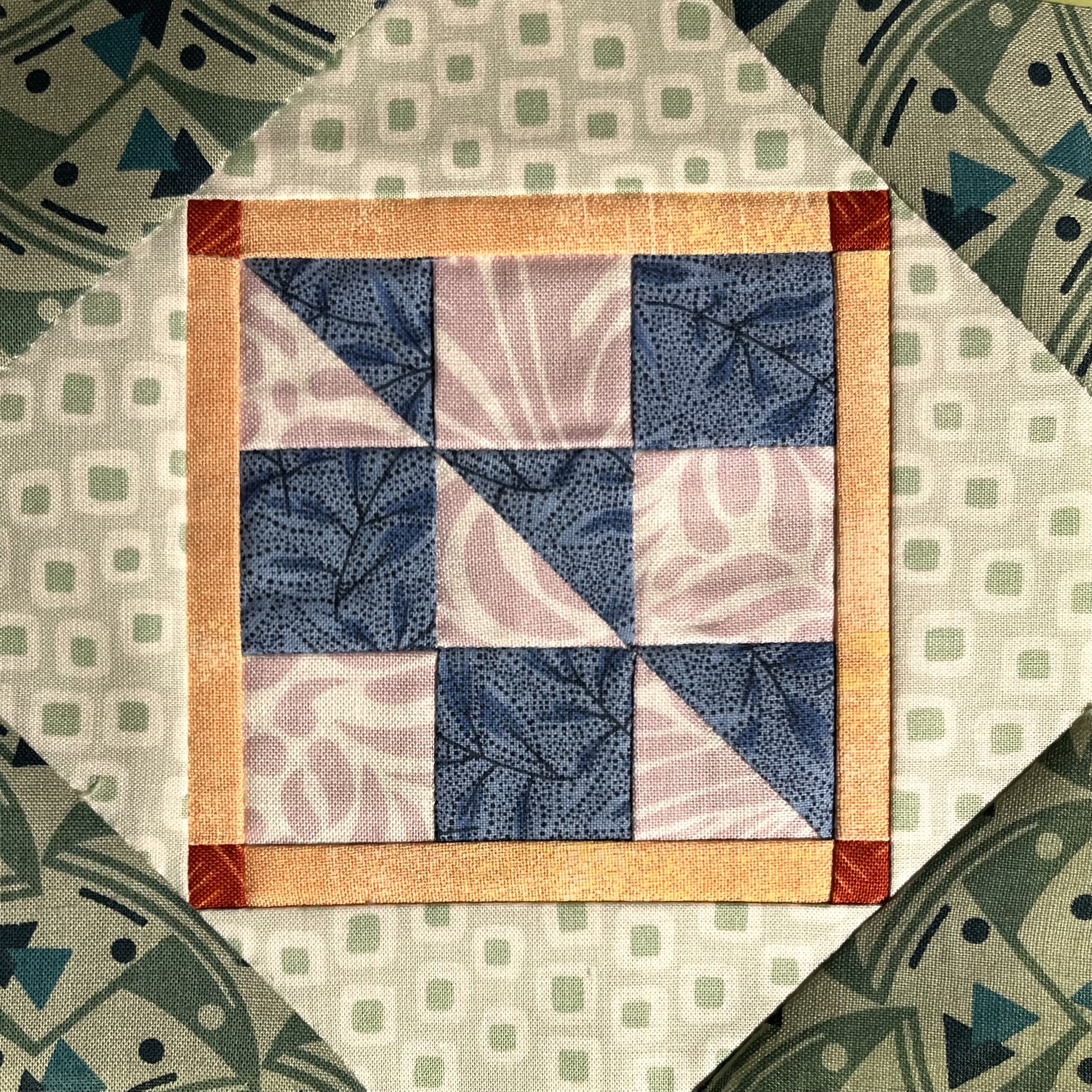
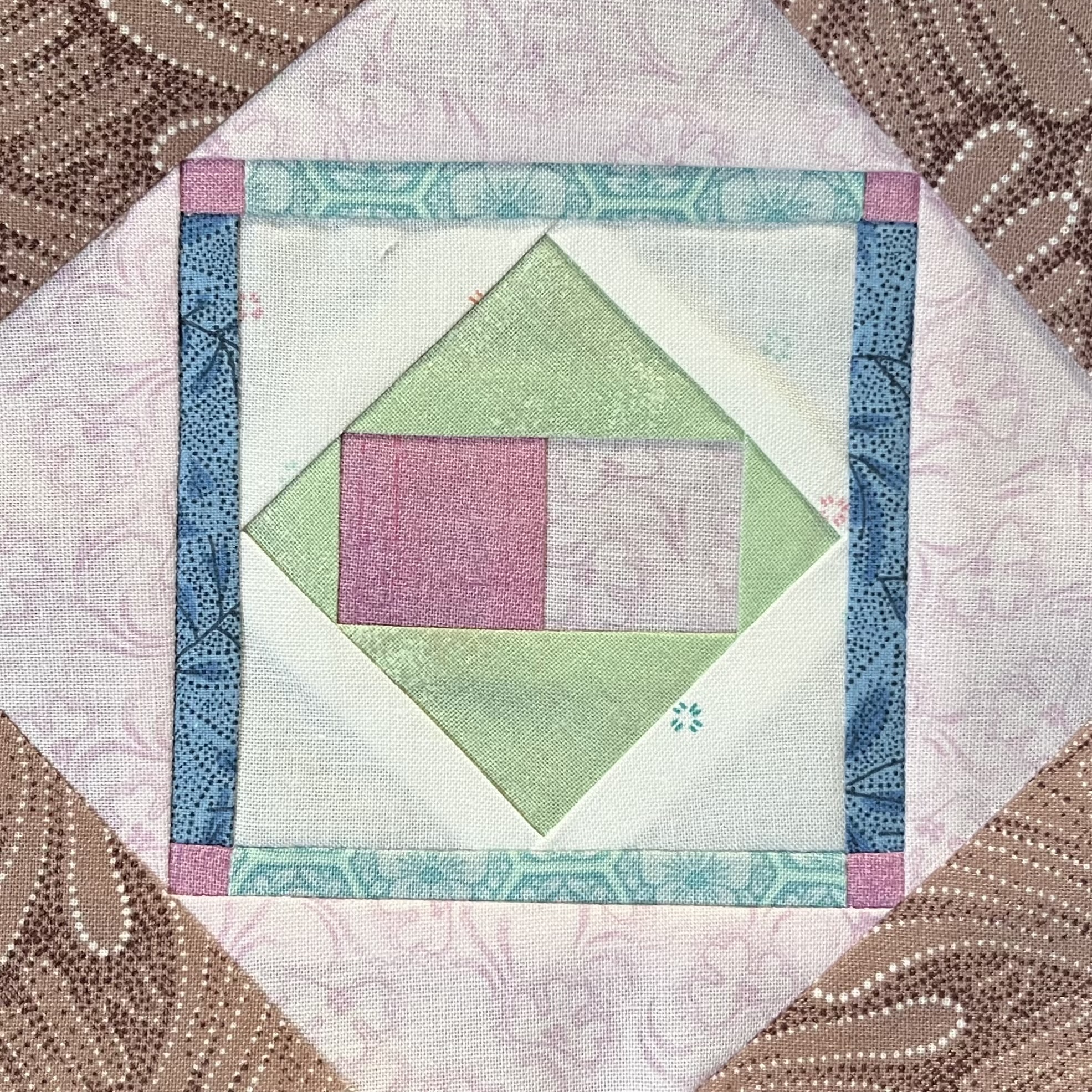
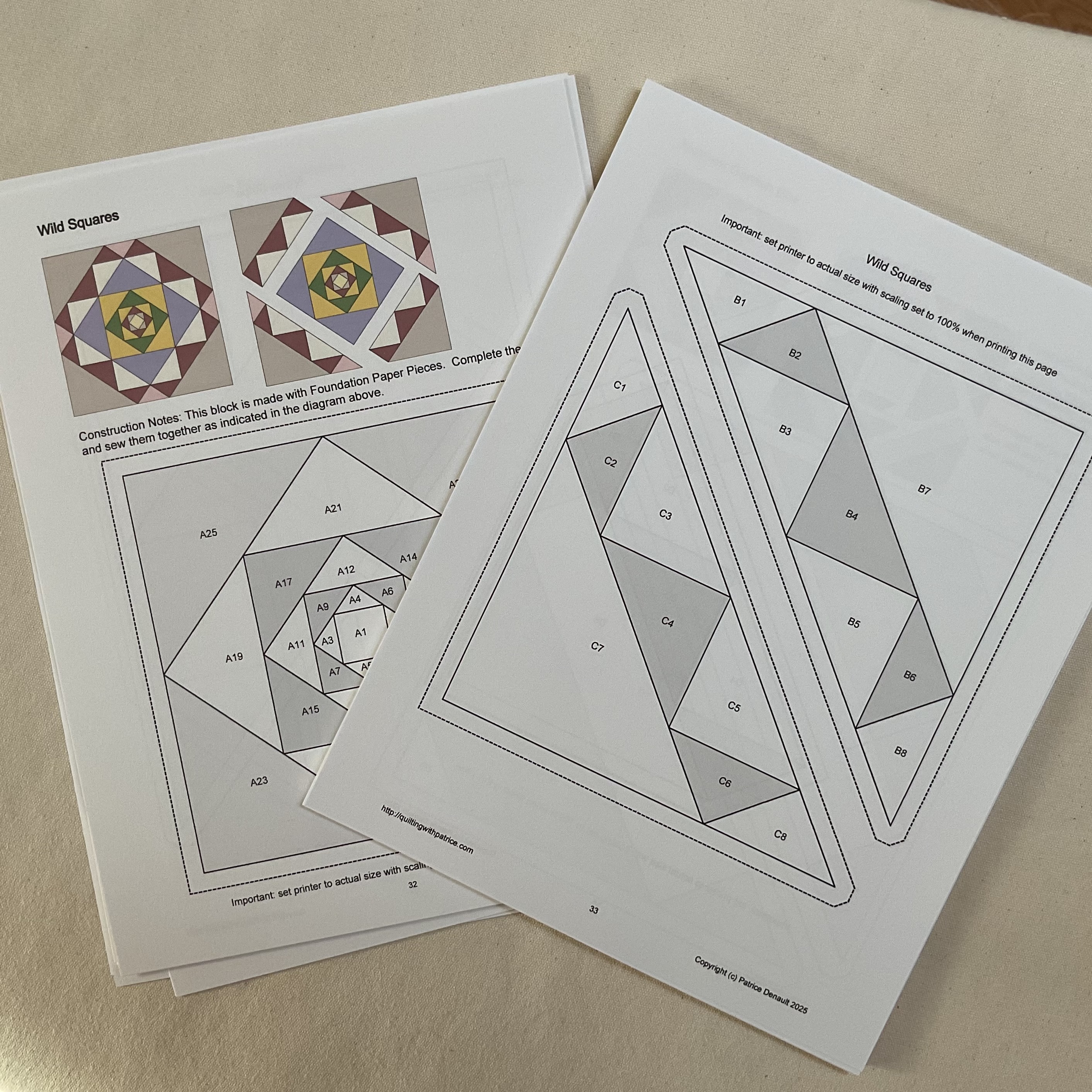
After photographing the blocks at the New England Quilt Museum I drafted each block in Electric Quilt. The best method for making most of the blocks is Foundation Paper Piecing, although some of the blocks are best made with rotary cutting. Here are details for two of the 10″ blocks in the quilt showing the original, the EQ8 Design and my block.

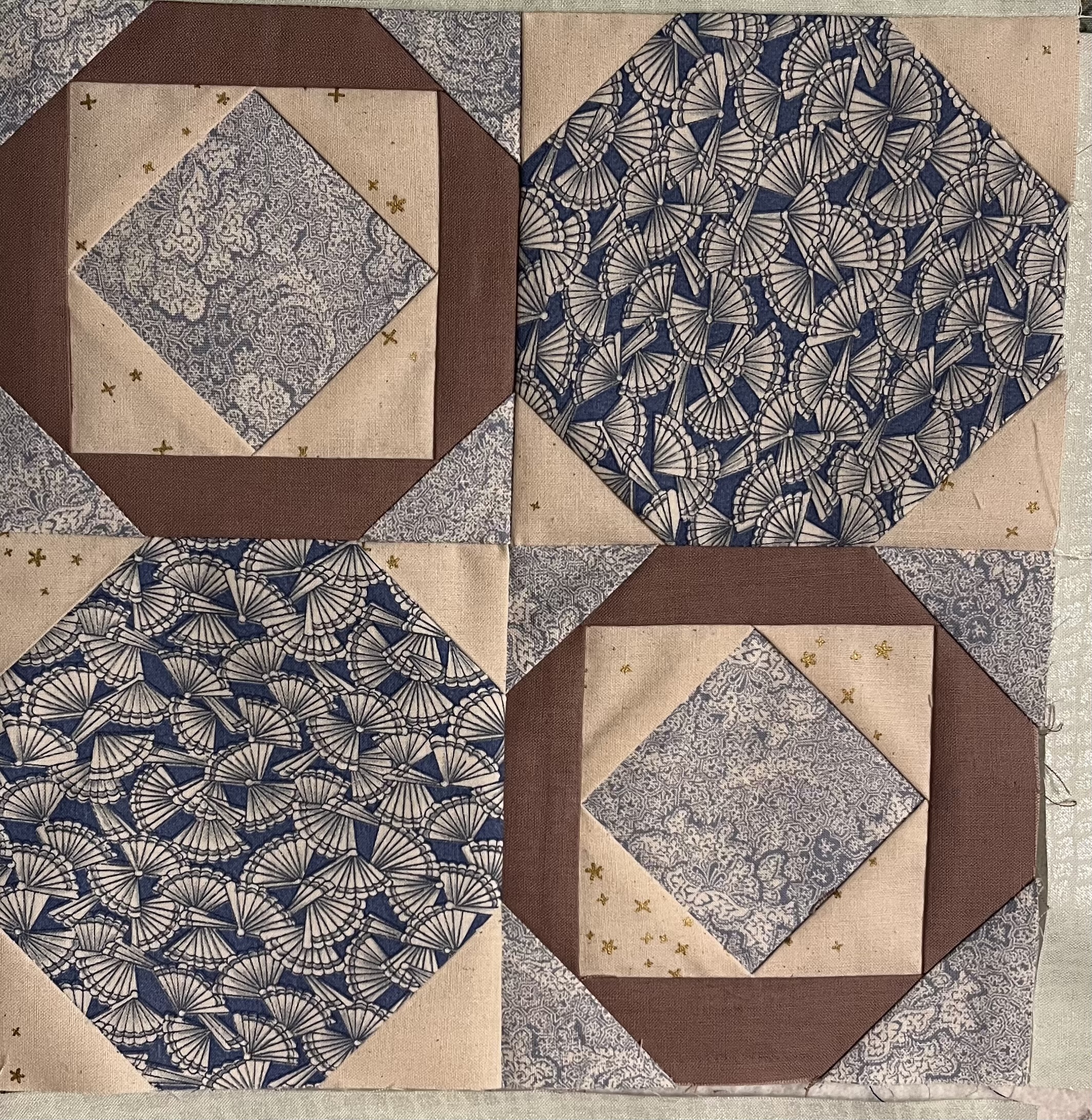
These are two of the 5″ blocks that Lizzie used in her 10″ blocks.

And a here are photos of the rest of the 10″ blocks that I created patterns for.

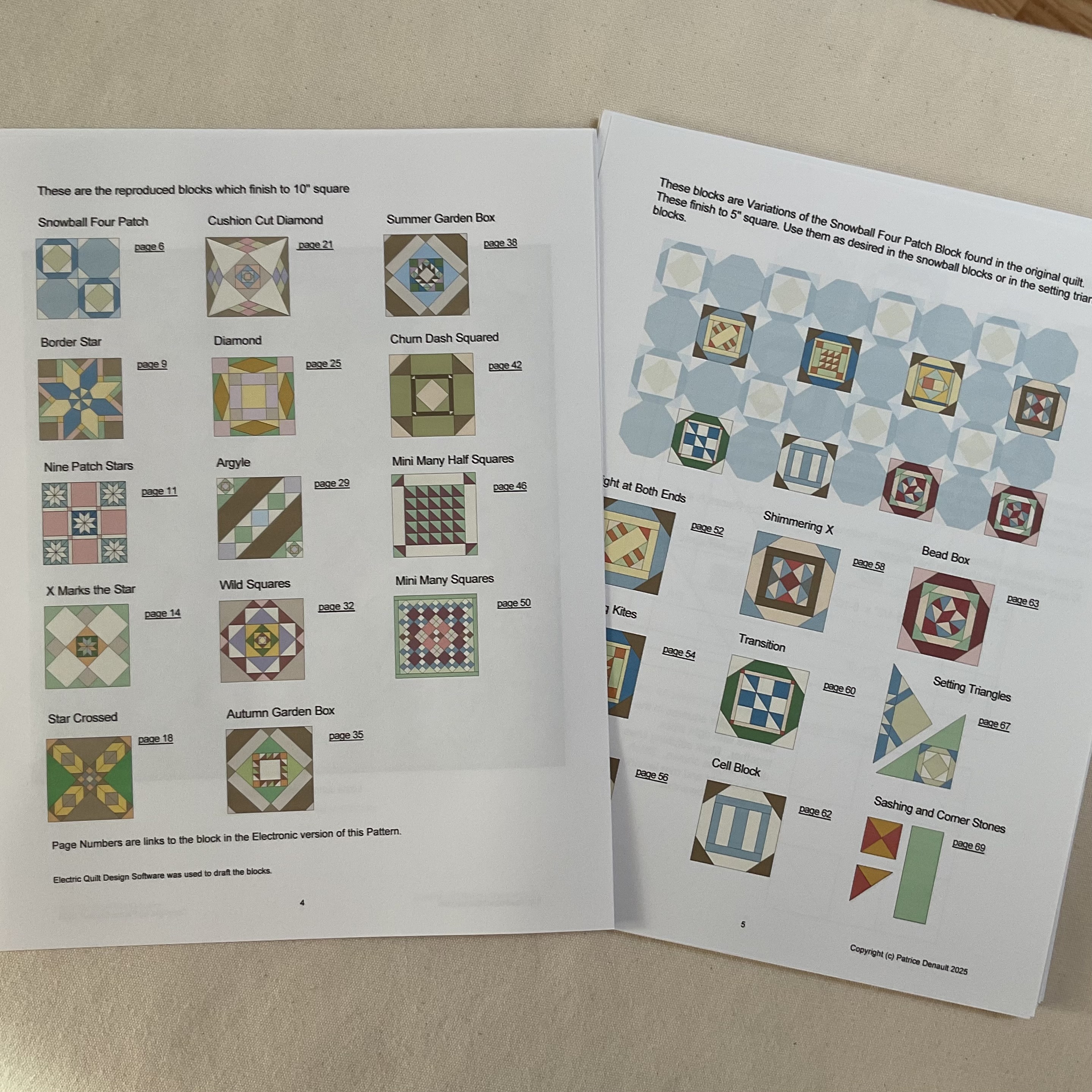
Here are the rest of the 5″ blocks that are in the pattern book.

After putting this top together I also made a mini version of Lizzie’s quilt. Pam Weeks, the Curator at the Museum, is writing a book that will include Lizzie’s quilt, as well as others in the permanent collection in the Museum. The book will have a pattern for this little quilt. Amazingly enough, someone donated silk fabric remnants to the museum and there was enough green silk for the sashing and borders, so I could use Lizzie’s color scheme and also have a mini all silk quilt.

After spending so much time drafting these patterns I decided to put a book together with the patterns for all of the blocks in Lizzie’s quilt. The book includes instructions and foundation paper templates for the fourteen 10” blocks and seven 5” blocks in Lizzie’s Quilt, and includes instructions to complete the 83″ x 83″ quilt.

The majority of the block patterns use the foundation paper piecing method, so please be comfortable with that method for making your blocks.

This quilt is in the permanent collection at the New England Quilt Museum in Lowell, Massachusetts. 25% of the proceeds from the sale of this pattern book will be donated to the museum.

This is a digital PDF download. No printed book will be mailed. A printer is required to print the patterns and instructions.

In Praise of Silk

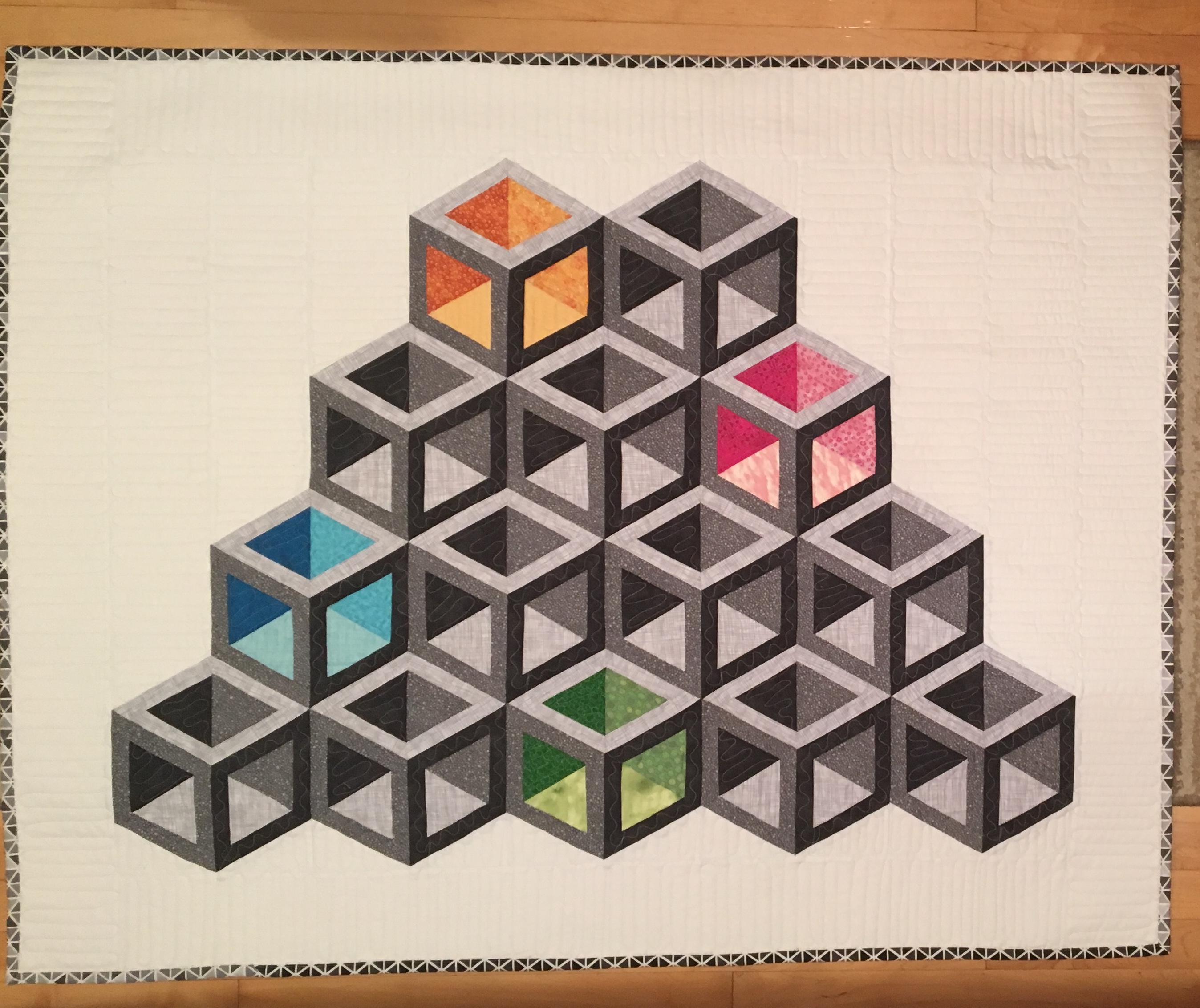
Don’t miss the Silk Exhibit at the New England Quilt Museum in Lowell. My Cube Life Quilt is on display with some really extraordinary quilts by award winning quilters.   You can download the pattern on my FREE PATTERNS Page.

I am honored to have been given the opportunity to exhibit my Cube Life Quilt along with these fantastic quilts.

This is the second time I have made this quilt.  Here is the first one made with cotton quilting fabrics.

Pam Weeks saw my cotton version and loved it.  She said if I made the quilt in silk then she could include it in the exhibit.  This was last year some time.  I went about collecting silk for the quilt and finished it in time for the show.

This quilt went together more easily than you might think.  It is pieced in rows, or in this case columns, of paper pieced triangles and diamonds. The colored cubes are shimmering silk; the gray cubes are a more subdued linen. The background fabric is silk noil.

I became intrigued with three dimensional blocks after seeing quilts featured in Jeffrey Gutcheon’s Diamond Patchwork book. The tumbling blocks become more of a cubic space when you add sashing to each diamond and when you consider the color value and placement of the fabrics that you use.

We all spend a lot of time in cubic spaces. Many of us have spent our careers working in an office cube. Why not add a splash of color to your cube? And, silk makes it so much more luxurious!

In Praise of Silk, May 1 through August 4.