Featured post

The Silk Quilt Reimagined

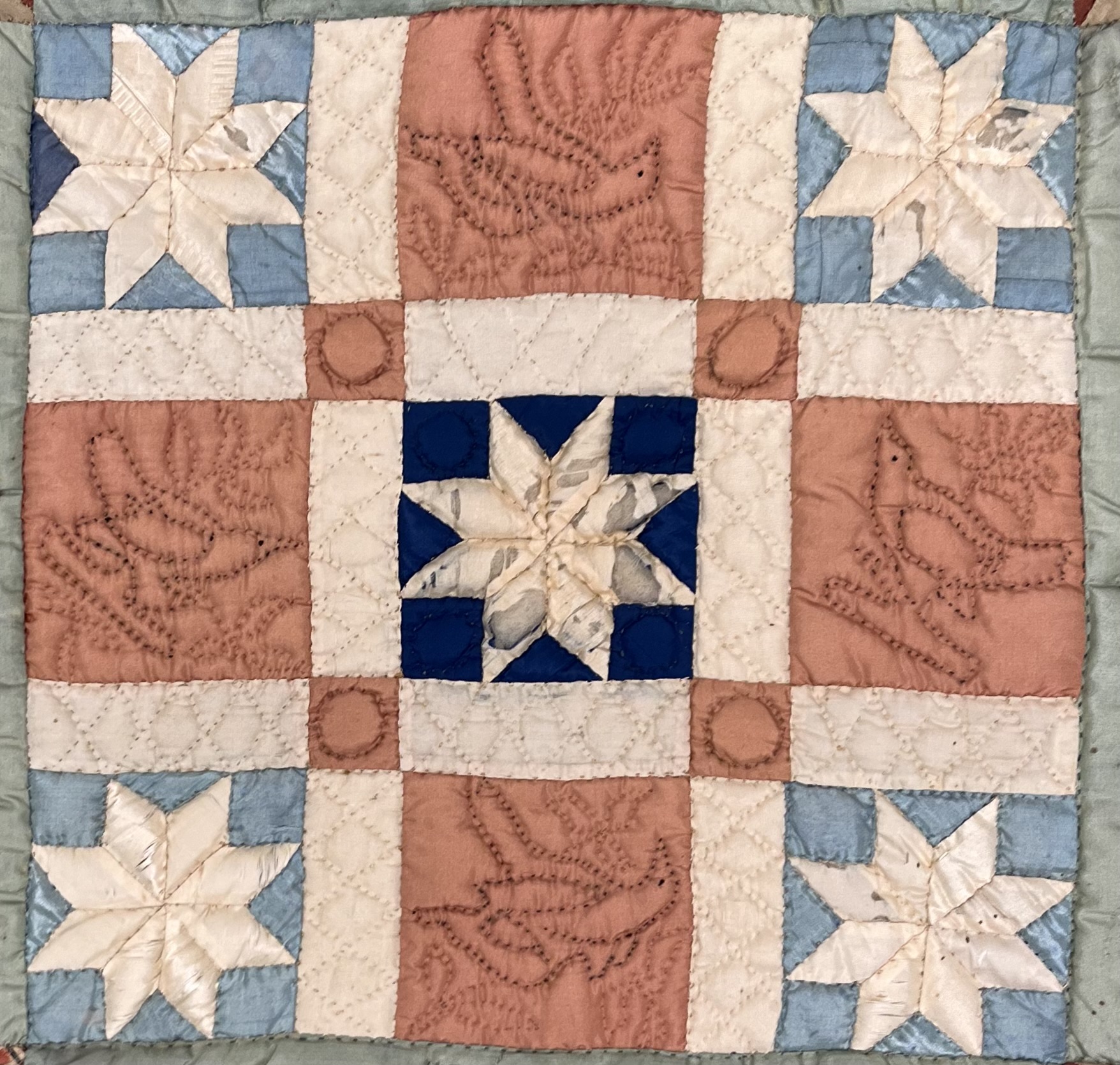
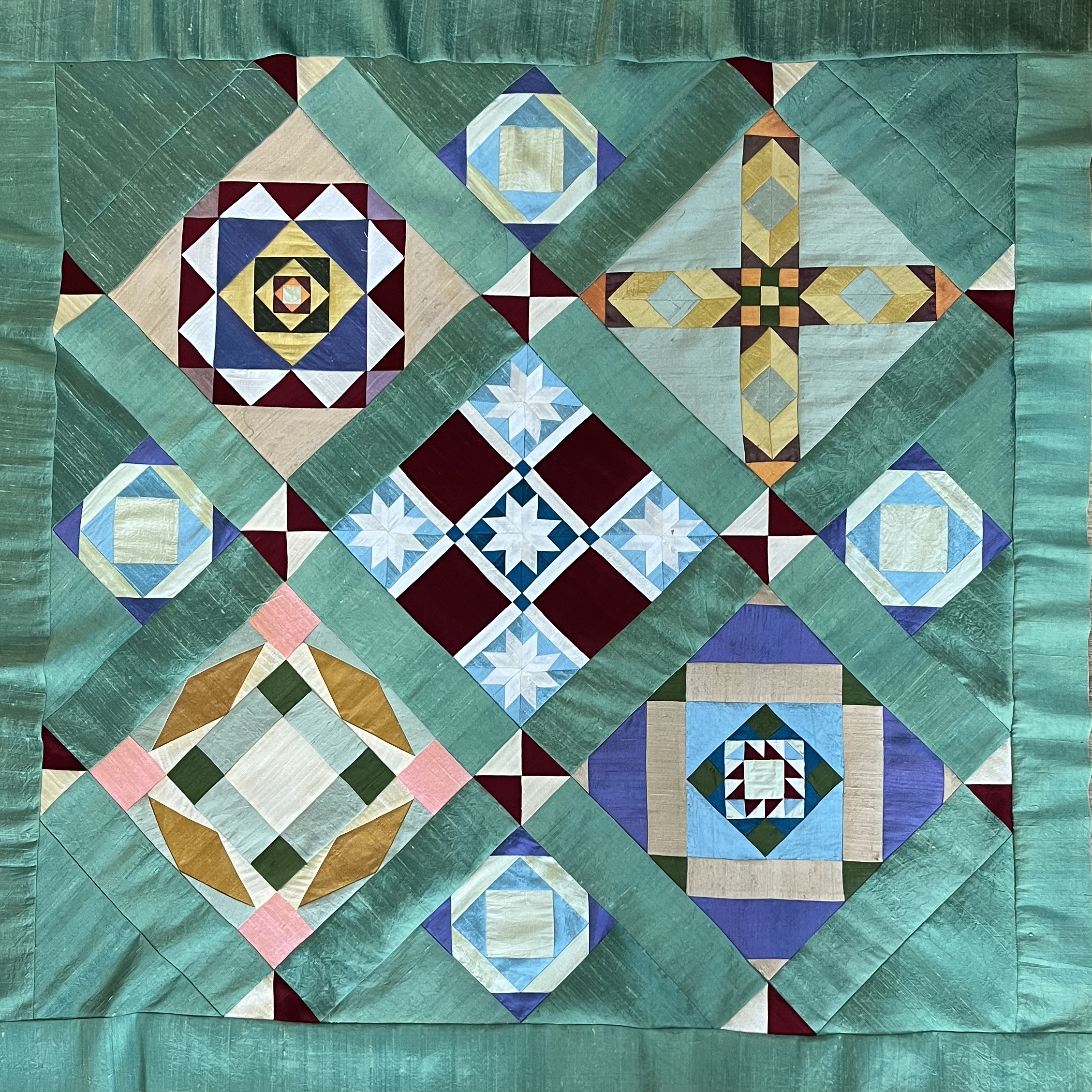
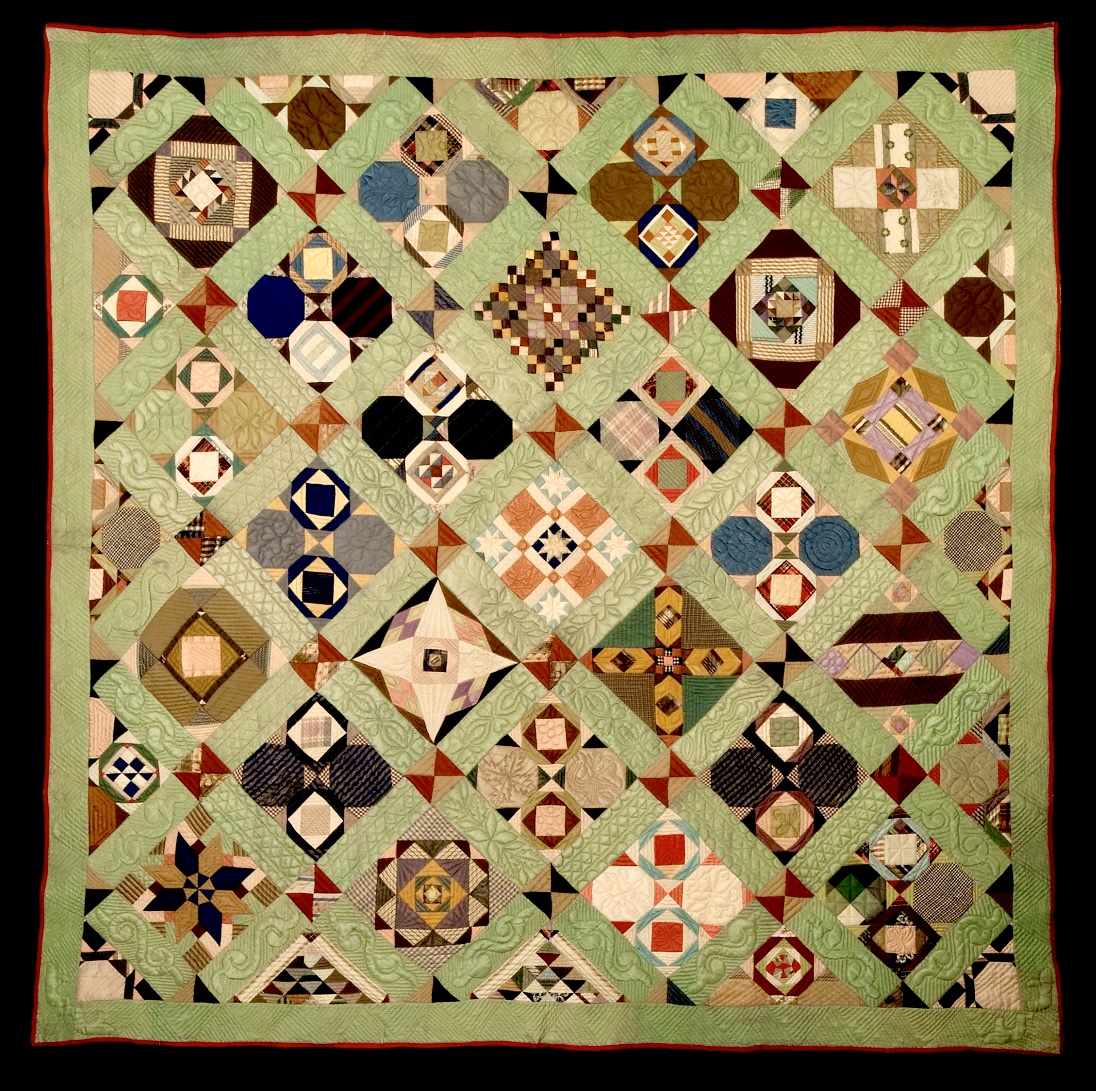
This marvelous quilt was made by Lizzie Johnson White sometime in the late 1860’s to early 1870’s. Lizzie was living in Pennsylvania when she made her quilt. Each of her blocks are unique designs made with scraps of silk. It is exquisitely quilted.

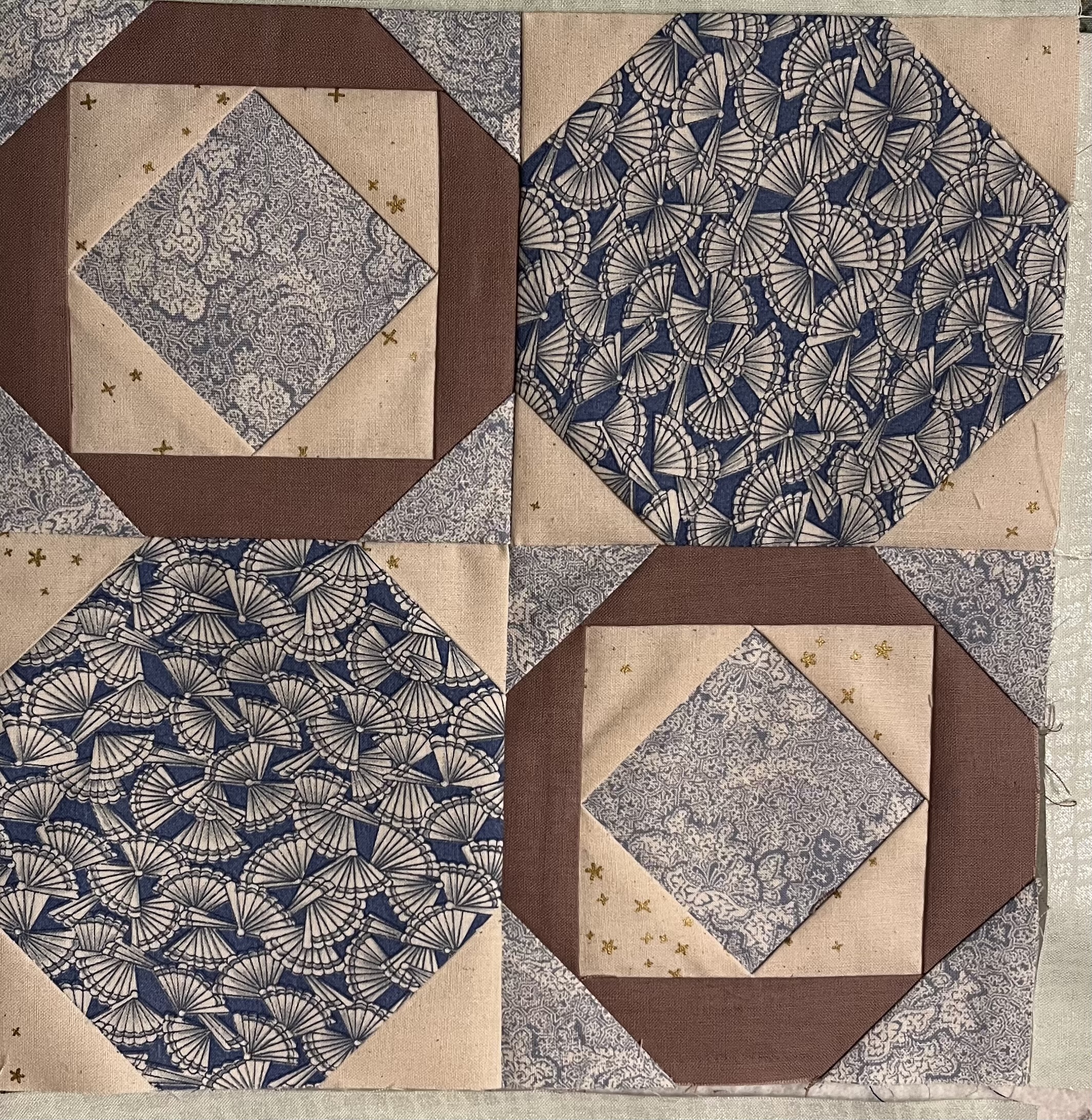
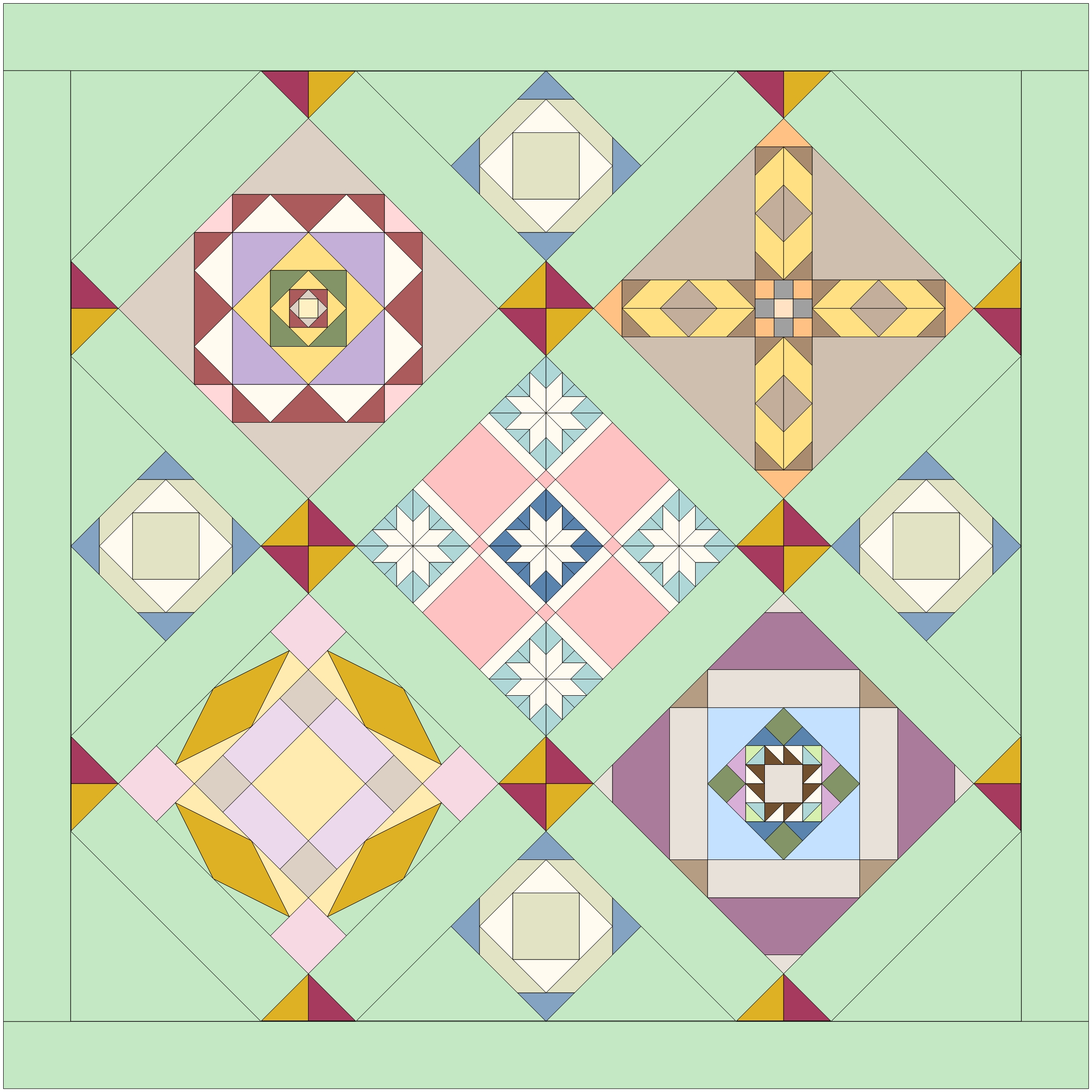
After being given the opportunity to view and study this quilt at the New England Quilt Museum I drafted Lizzie’s designs and gave them each a name. I also included the variations of her four-patch snowball block used throughout the original quilt.

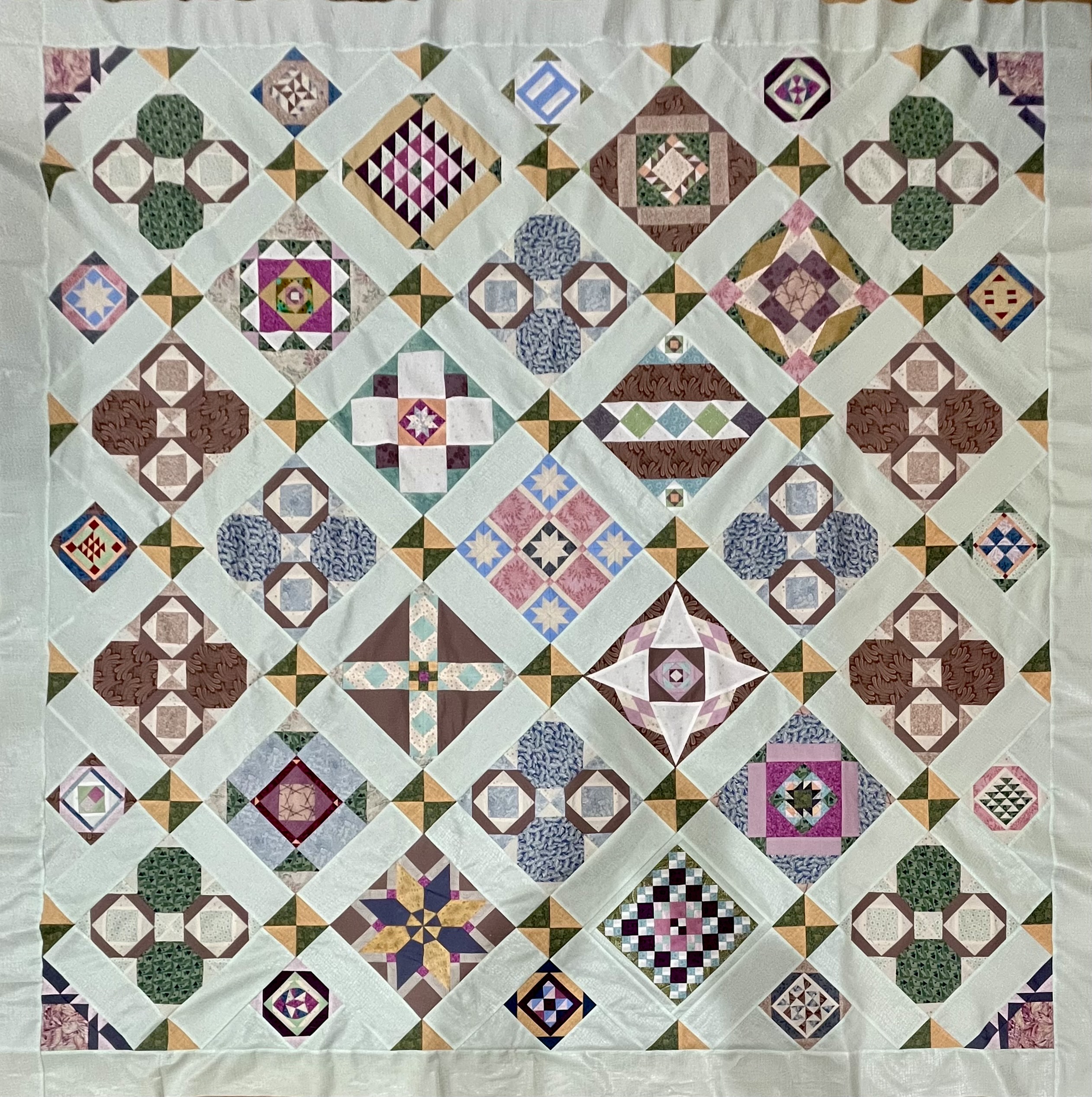
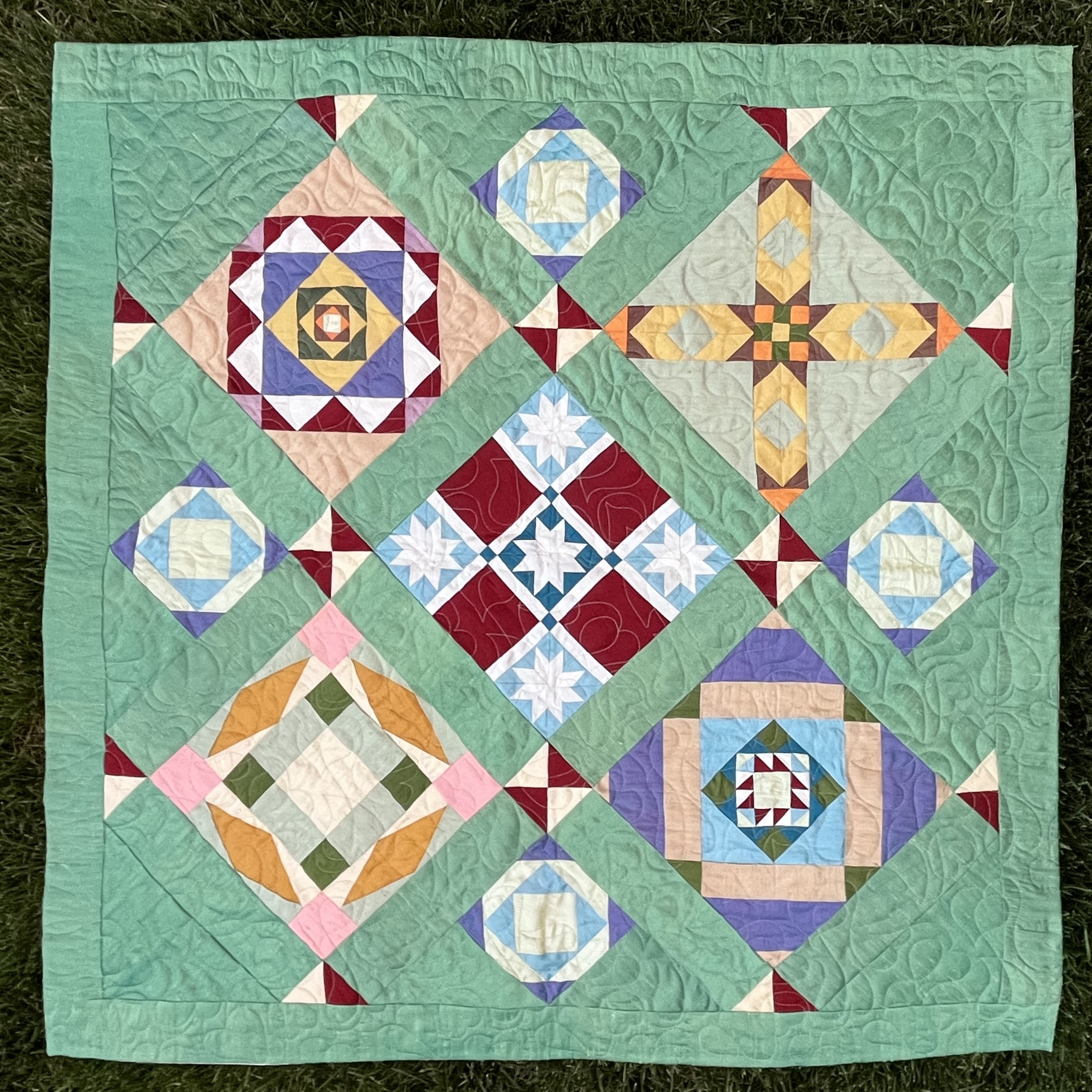
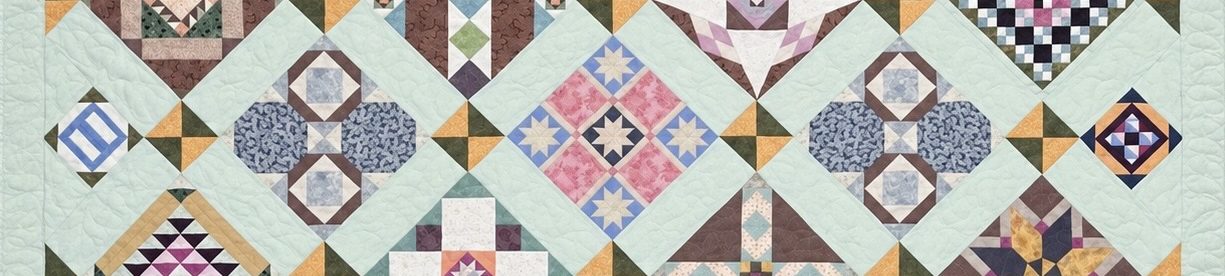
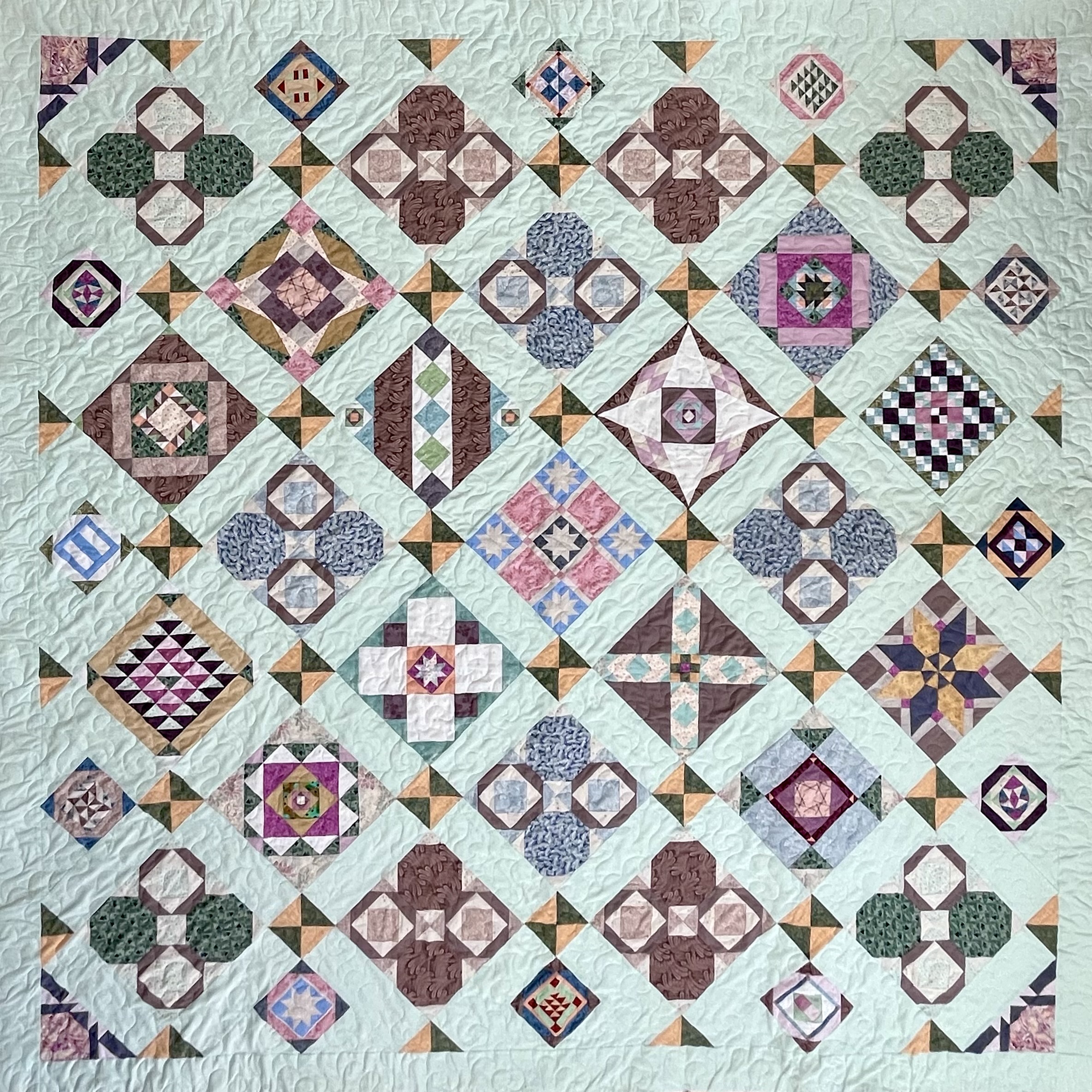
In my reimagined version of the quilt I have arranged the blocks differently than Lizzie did and I included her snowball variations, and some of my own designs, in the setting triangles. I used quilting cotton in this quilt, but I chose a metallic fabric for the sashing and borders to give it a nice silky shine.

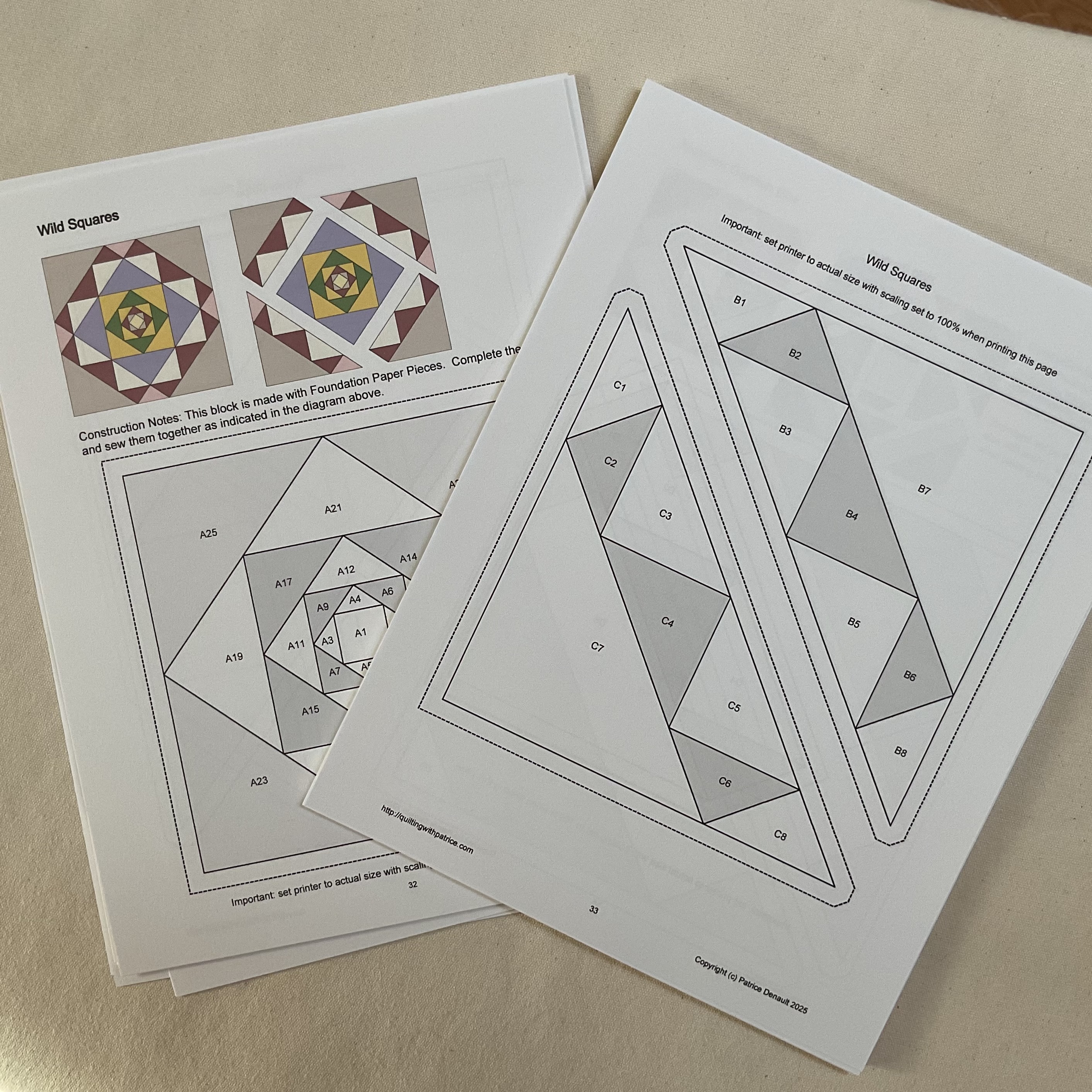
If you would like to make your own version of Lizzies’s quilt you can purchase and download the pattern. The majority of the block patterns use the foundation paper piecing method, so please be comfortable with that method for making your blocks.

Reimagined Quilt by Patrice Denault


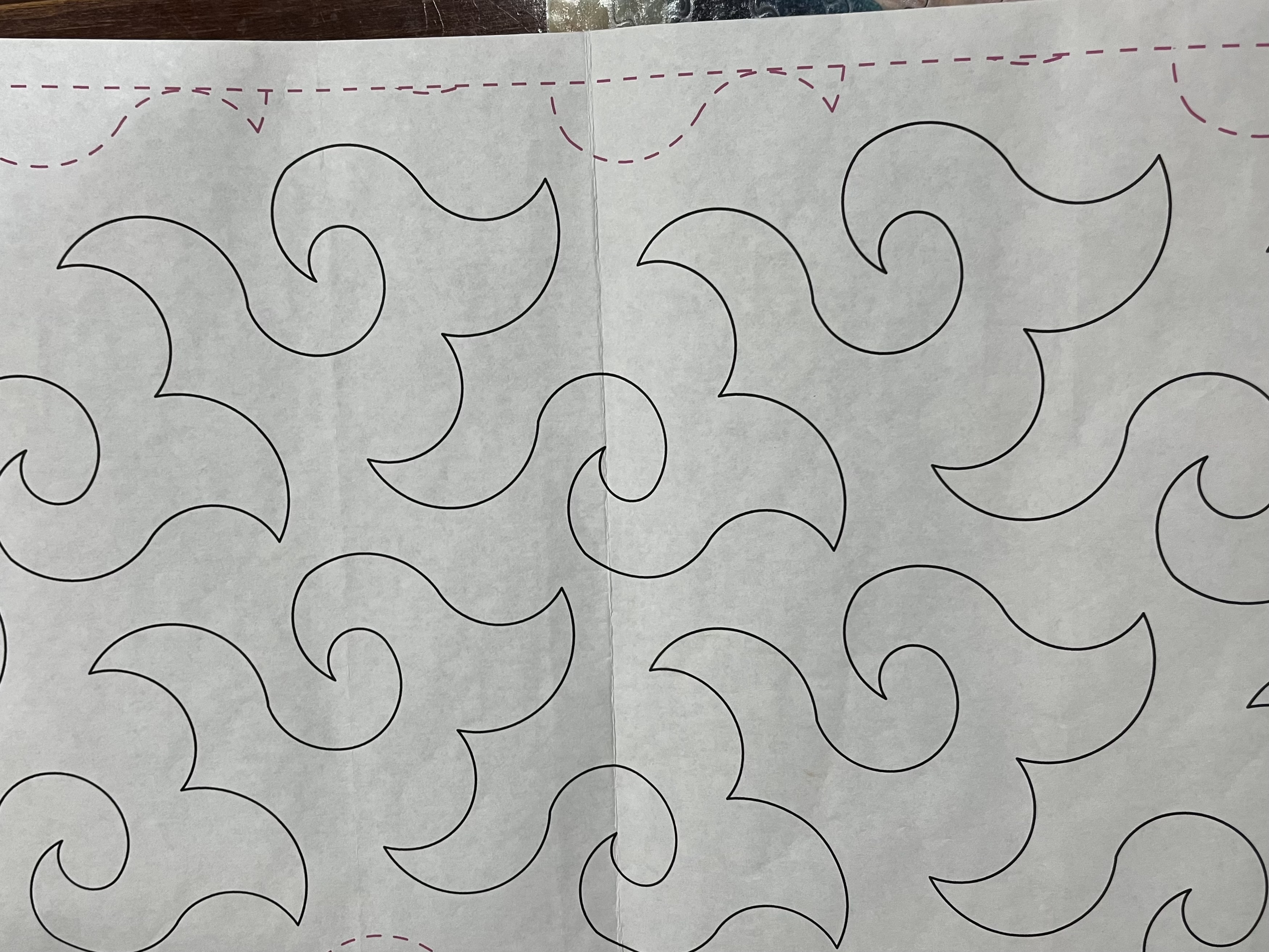
Here is the EQ8 Design, the top and the pantograph I used.

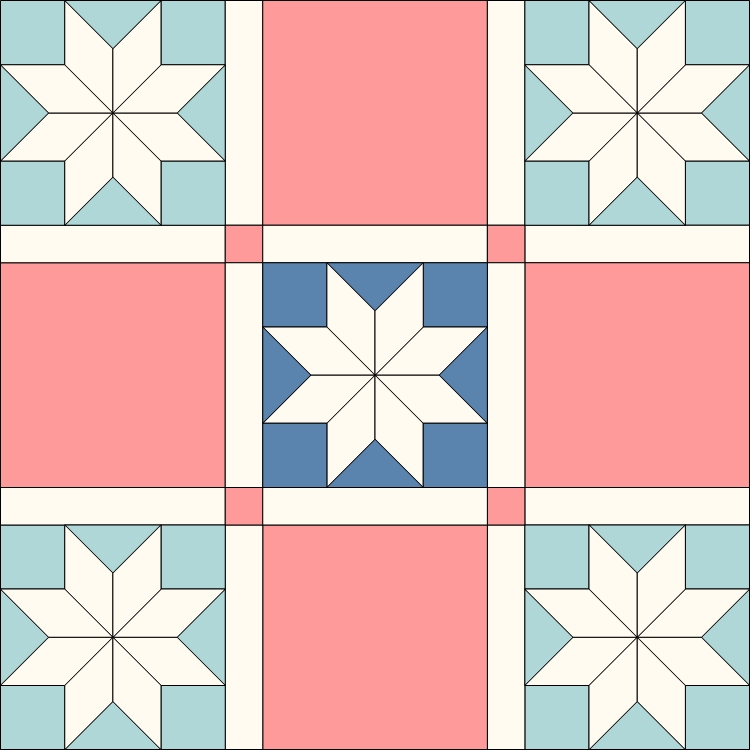
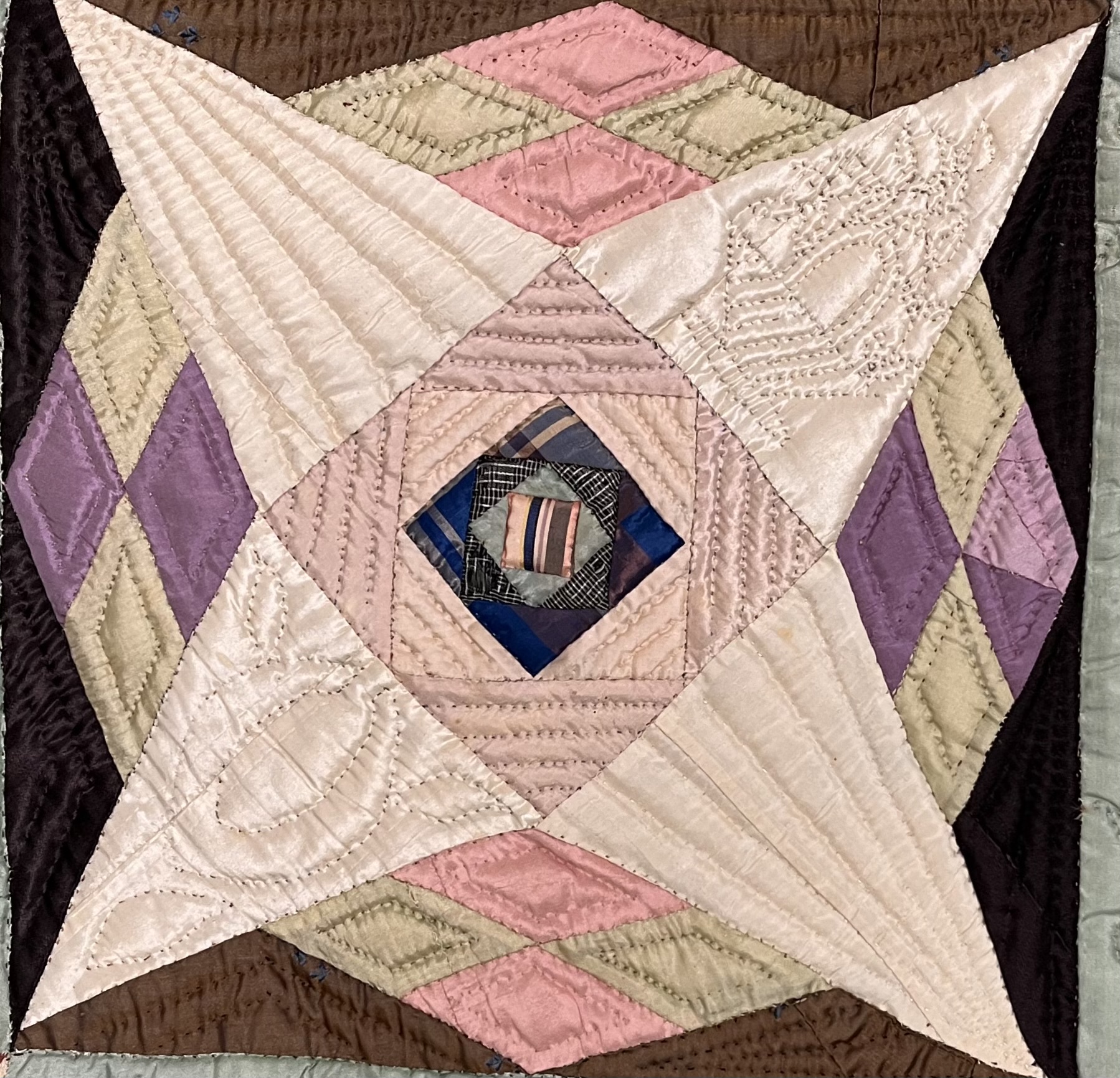
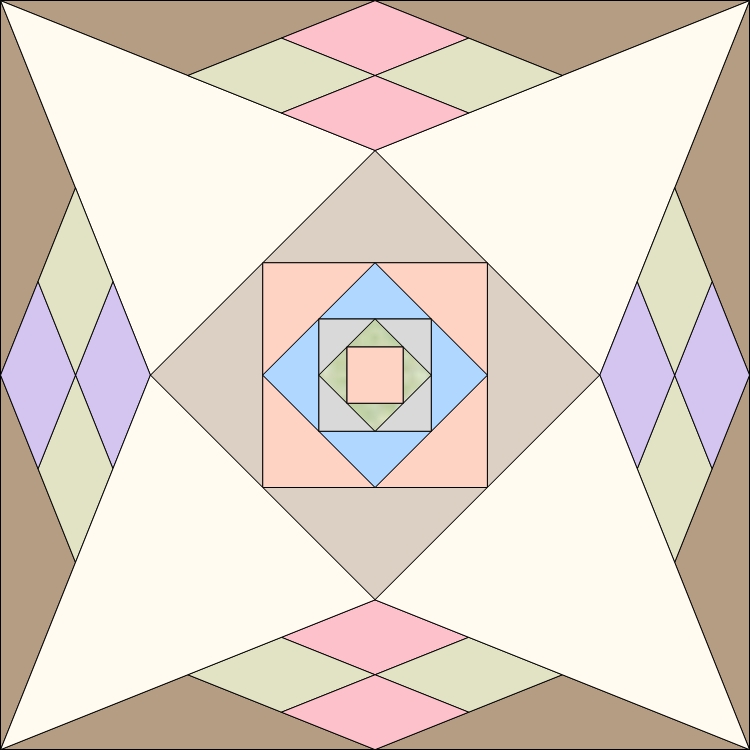
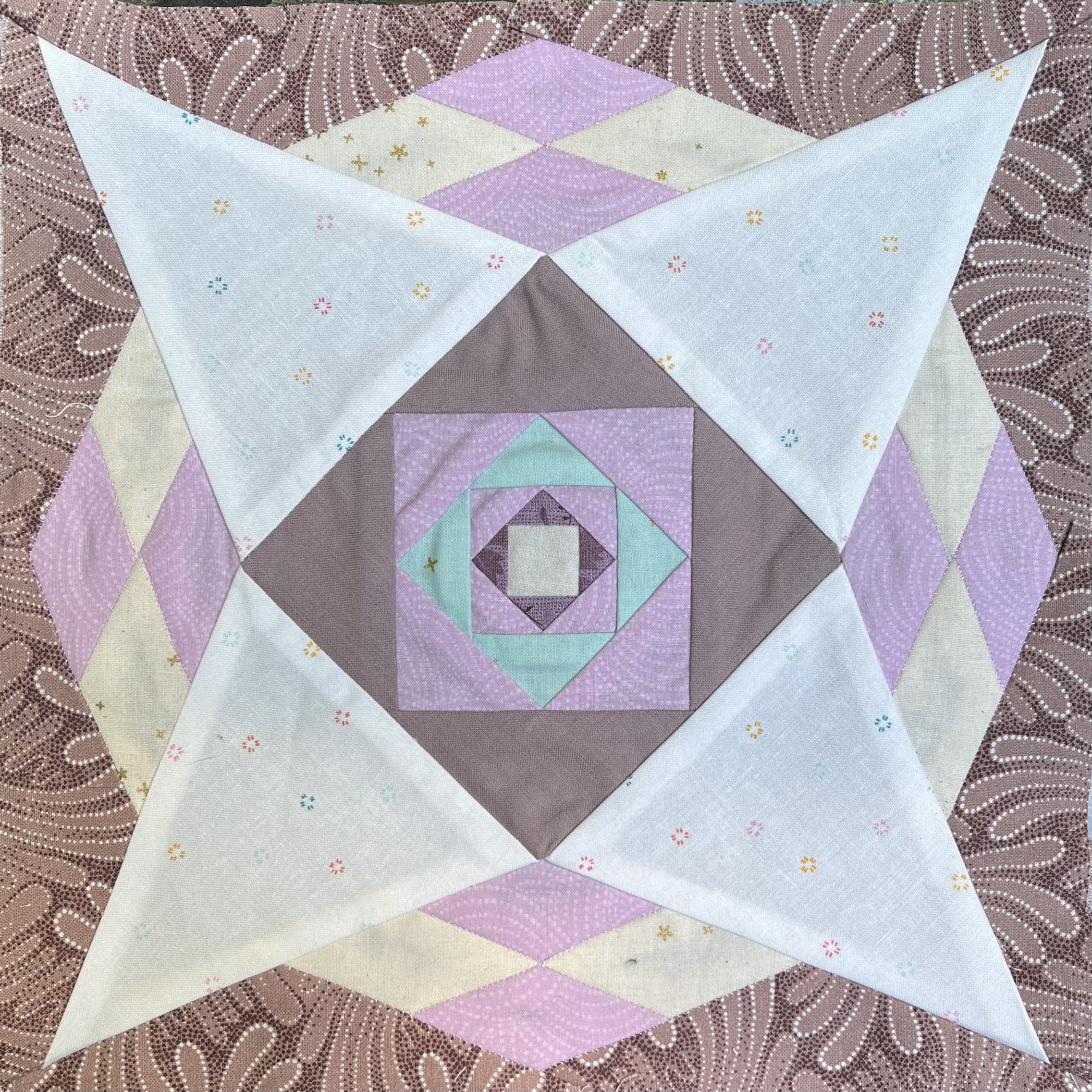
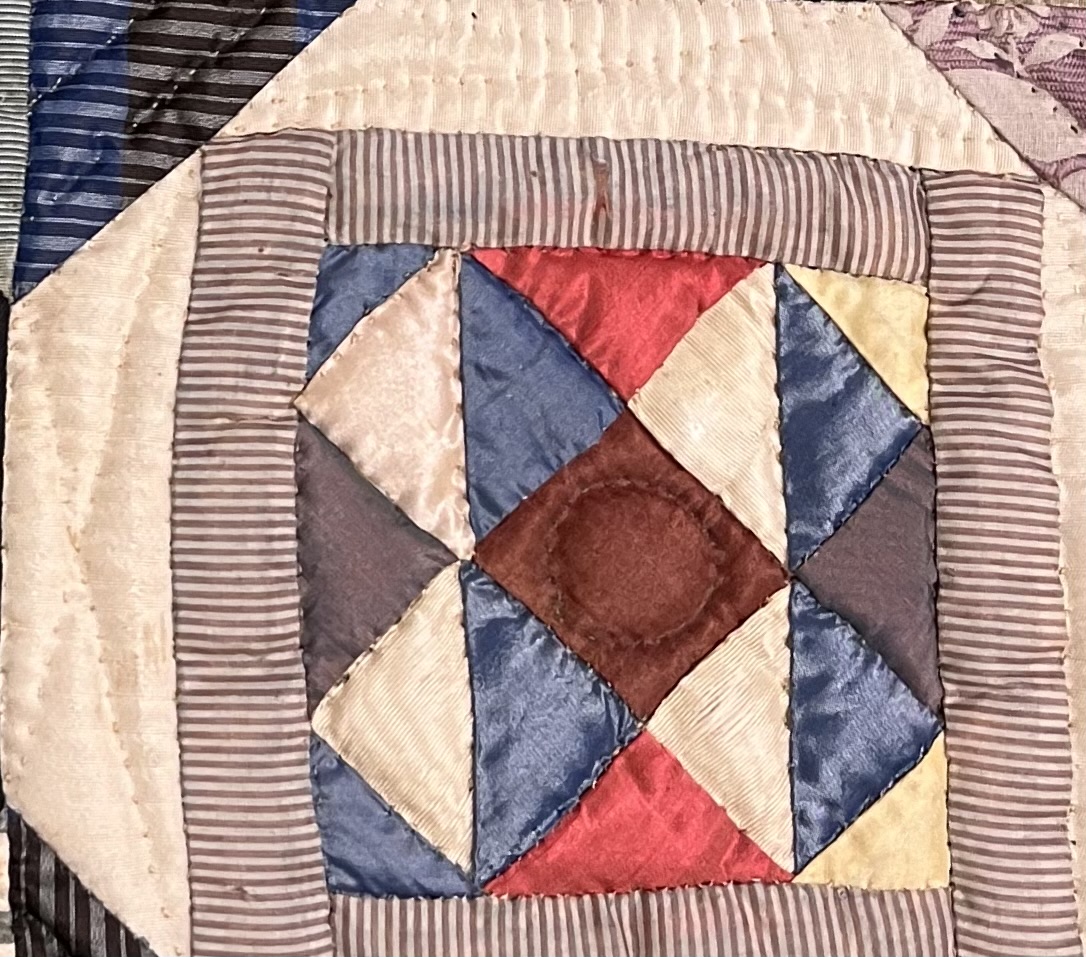
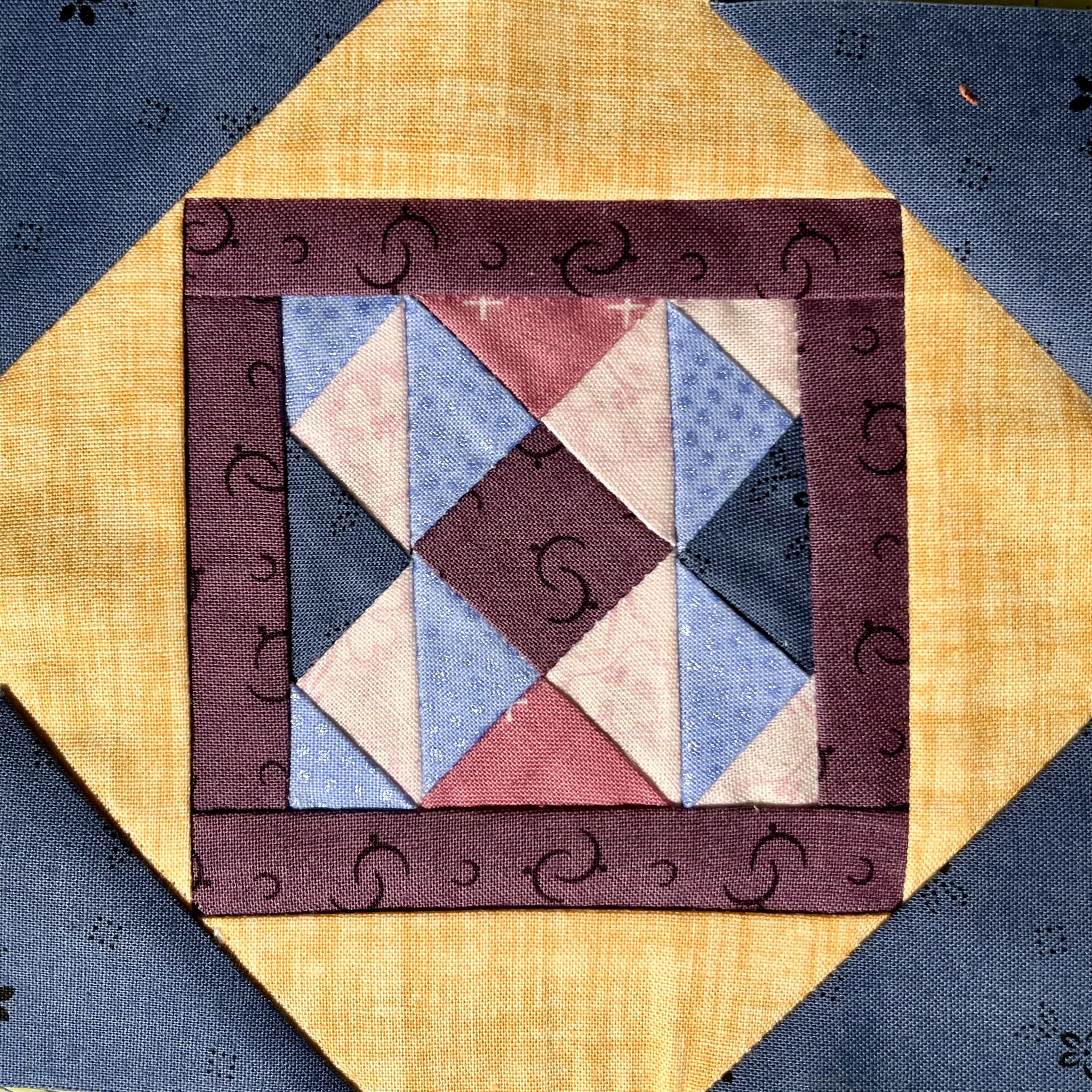
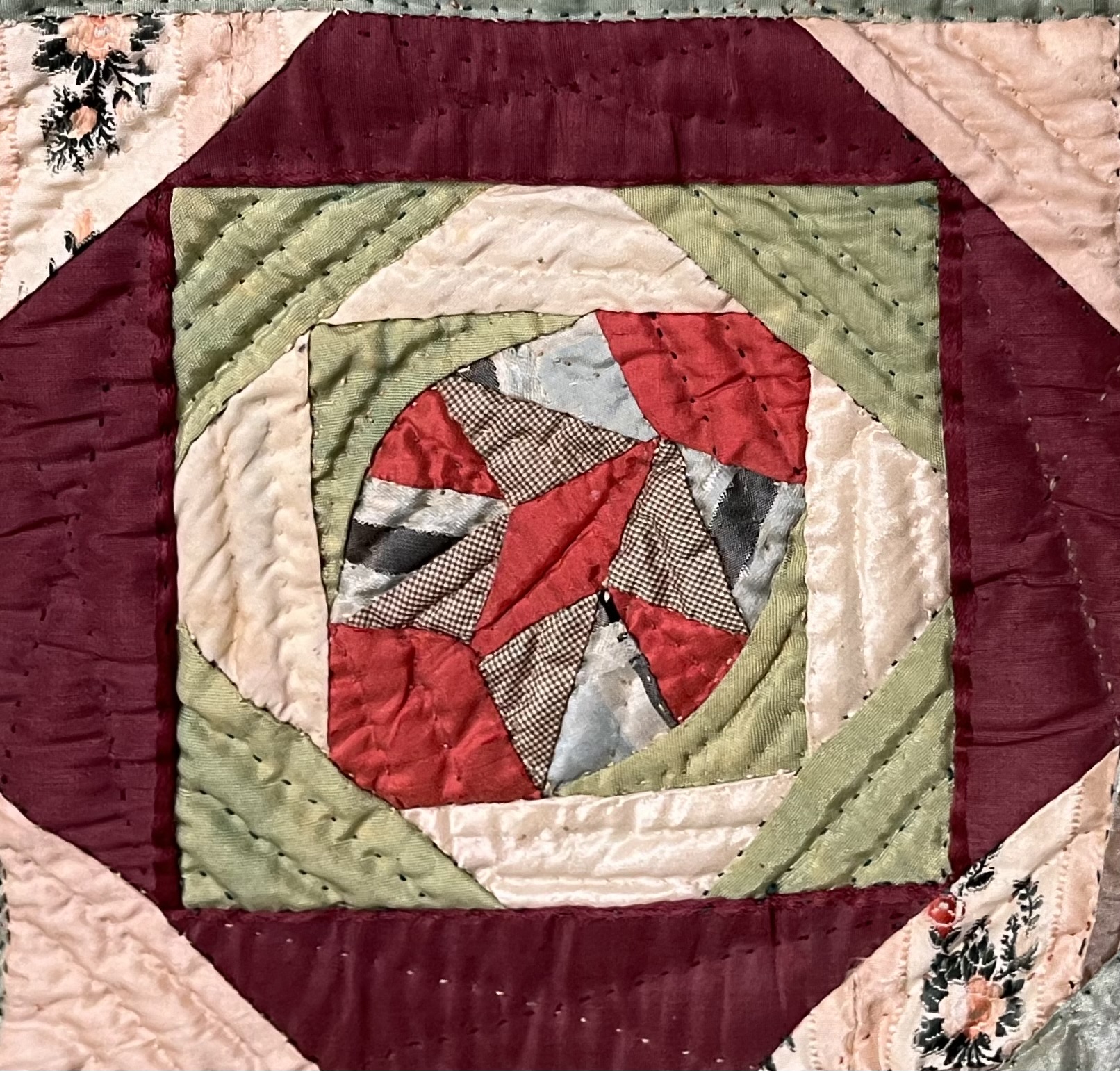
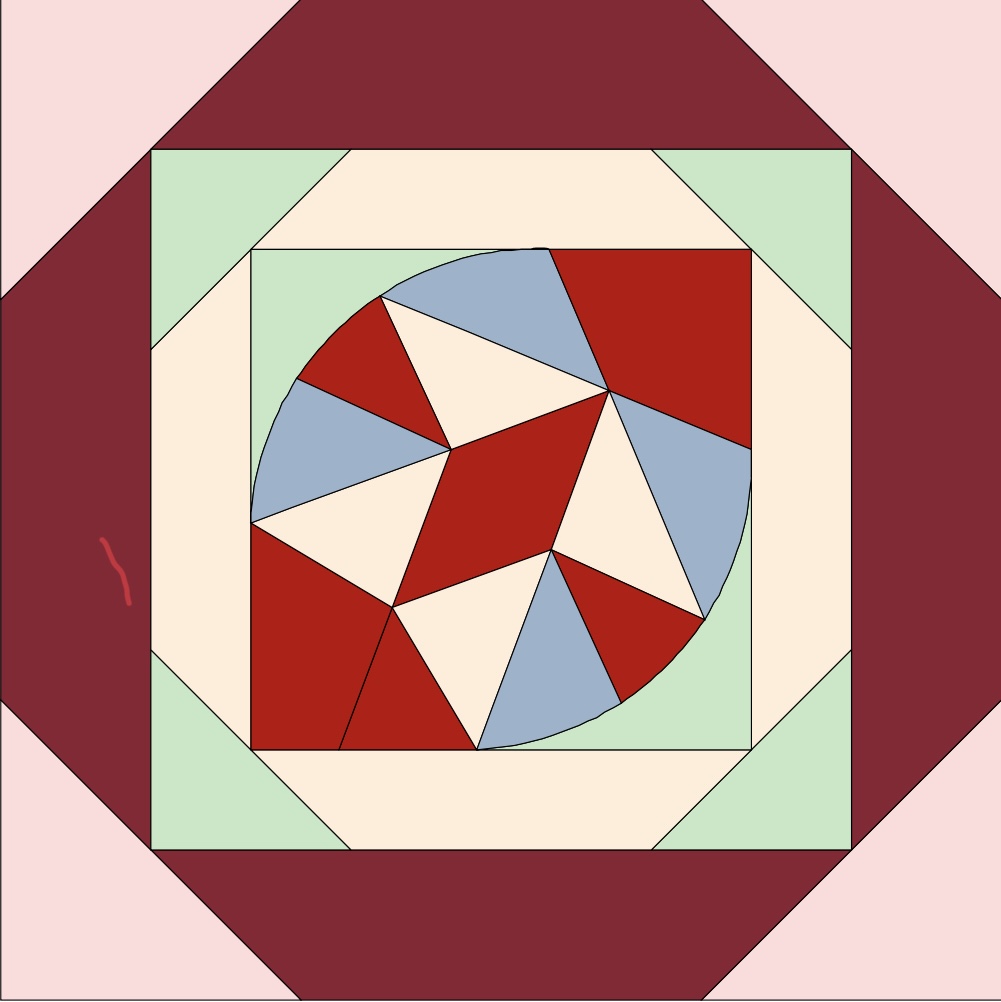
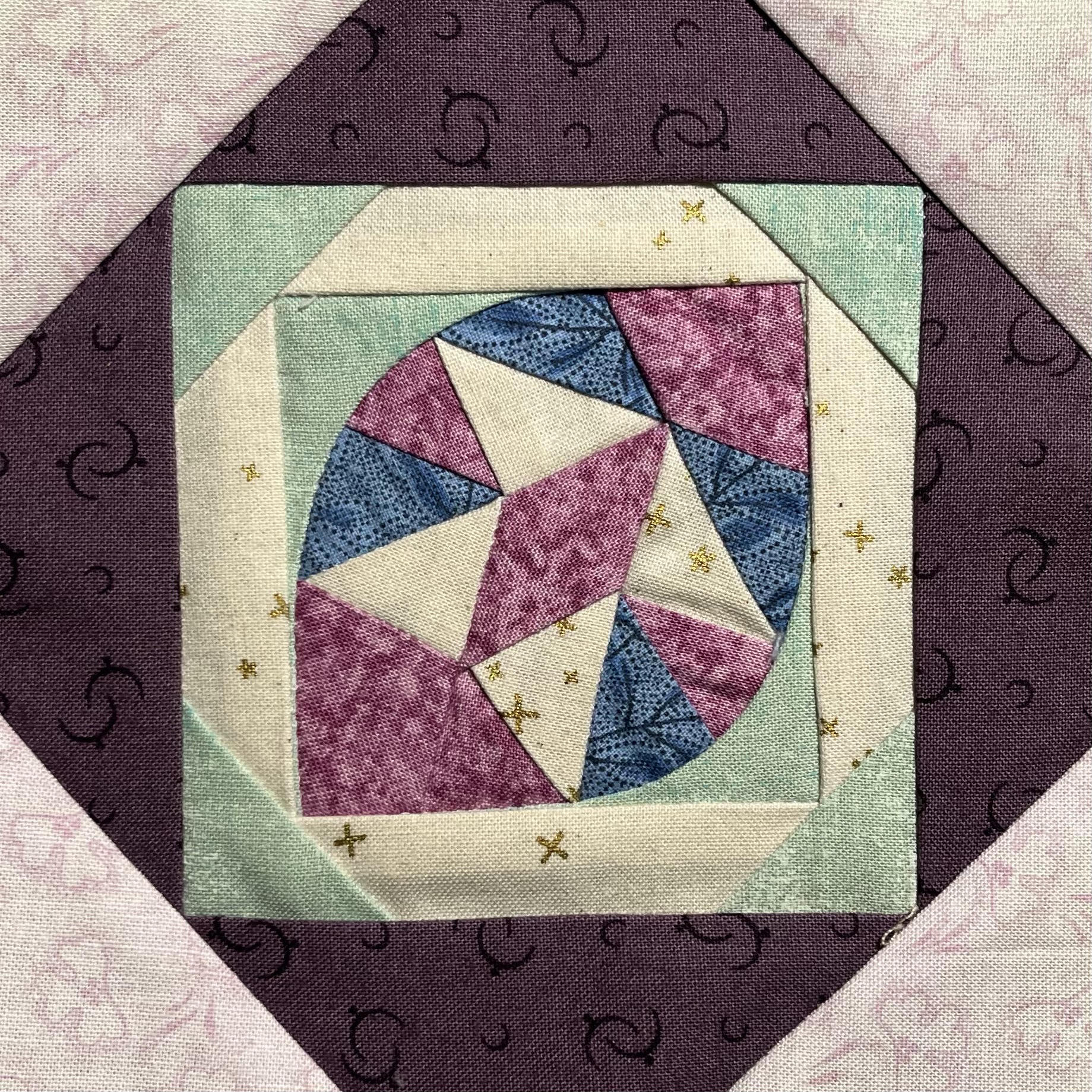
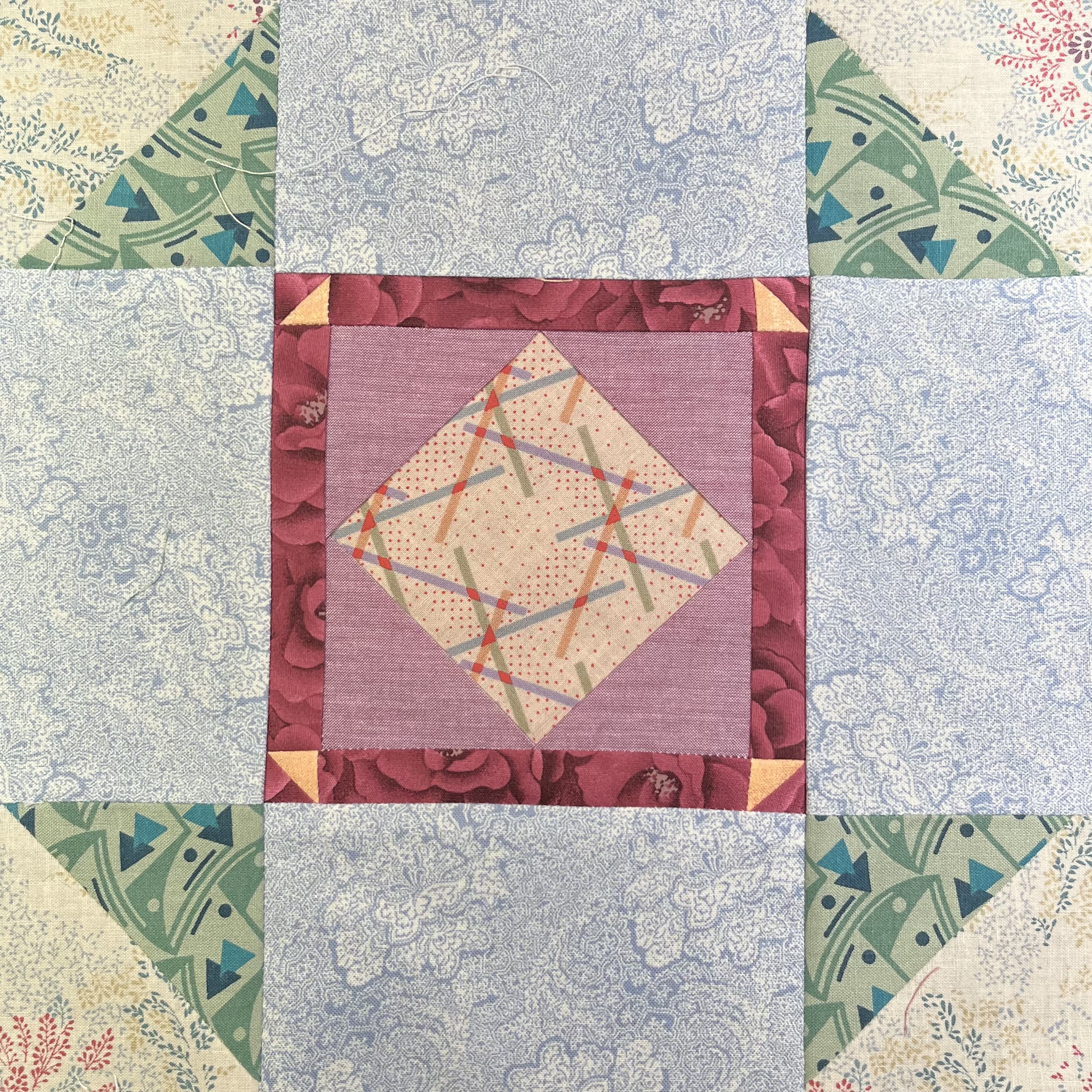
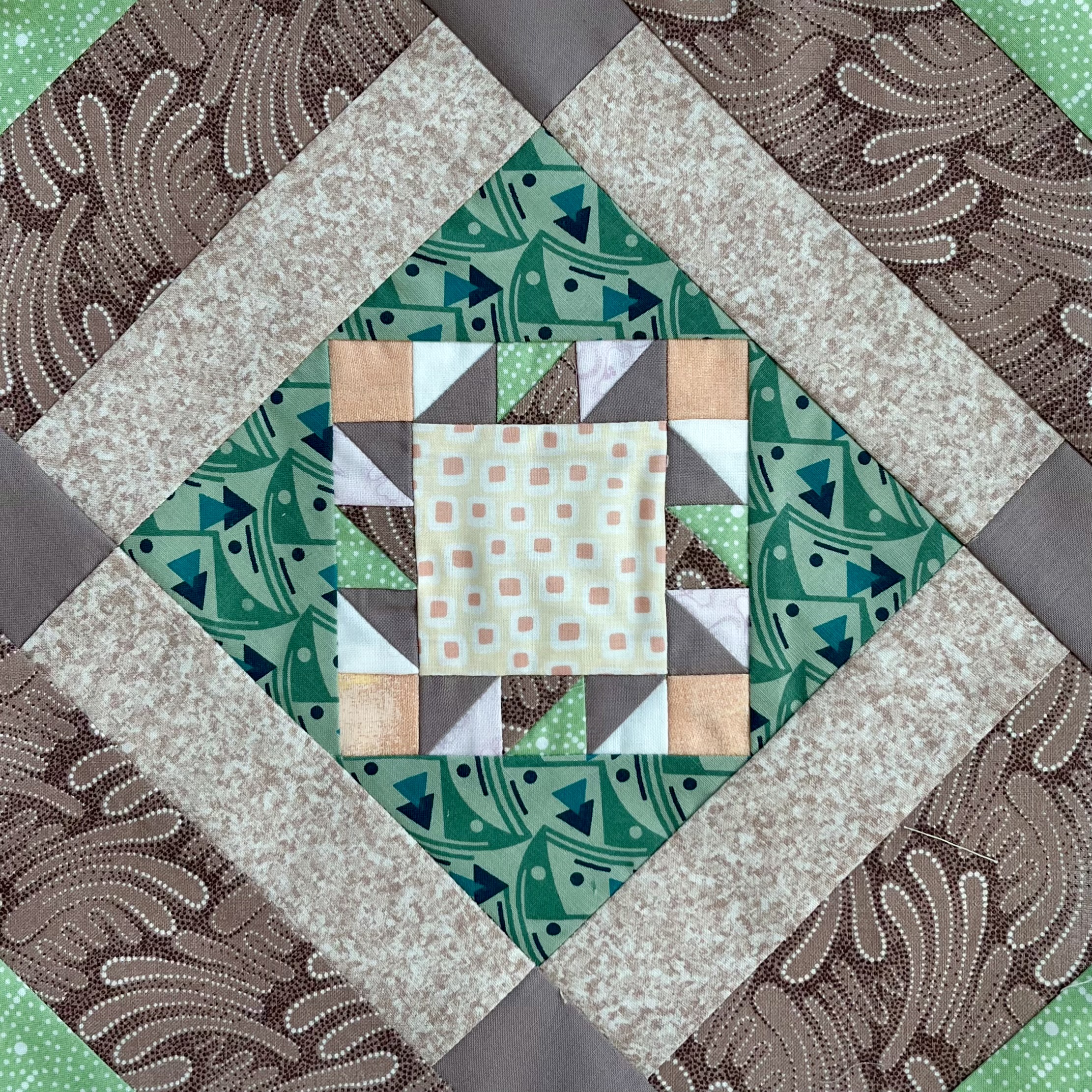
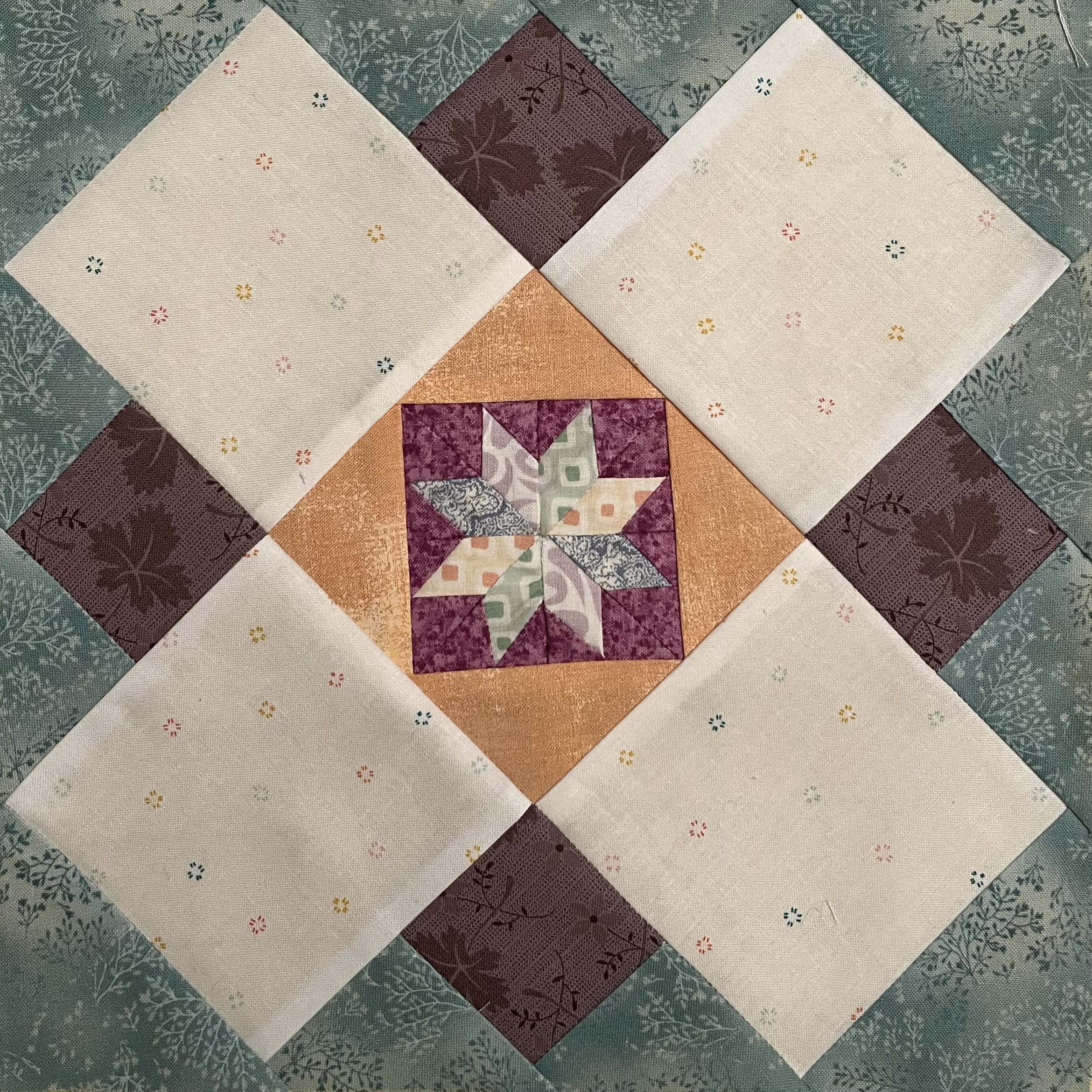
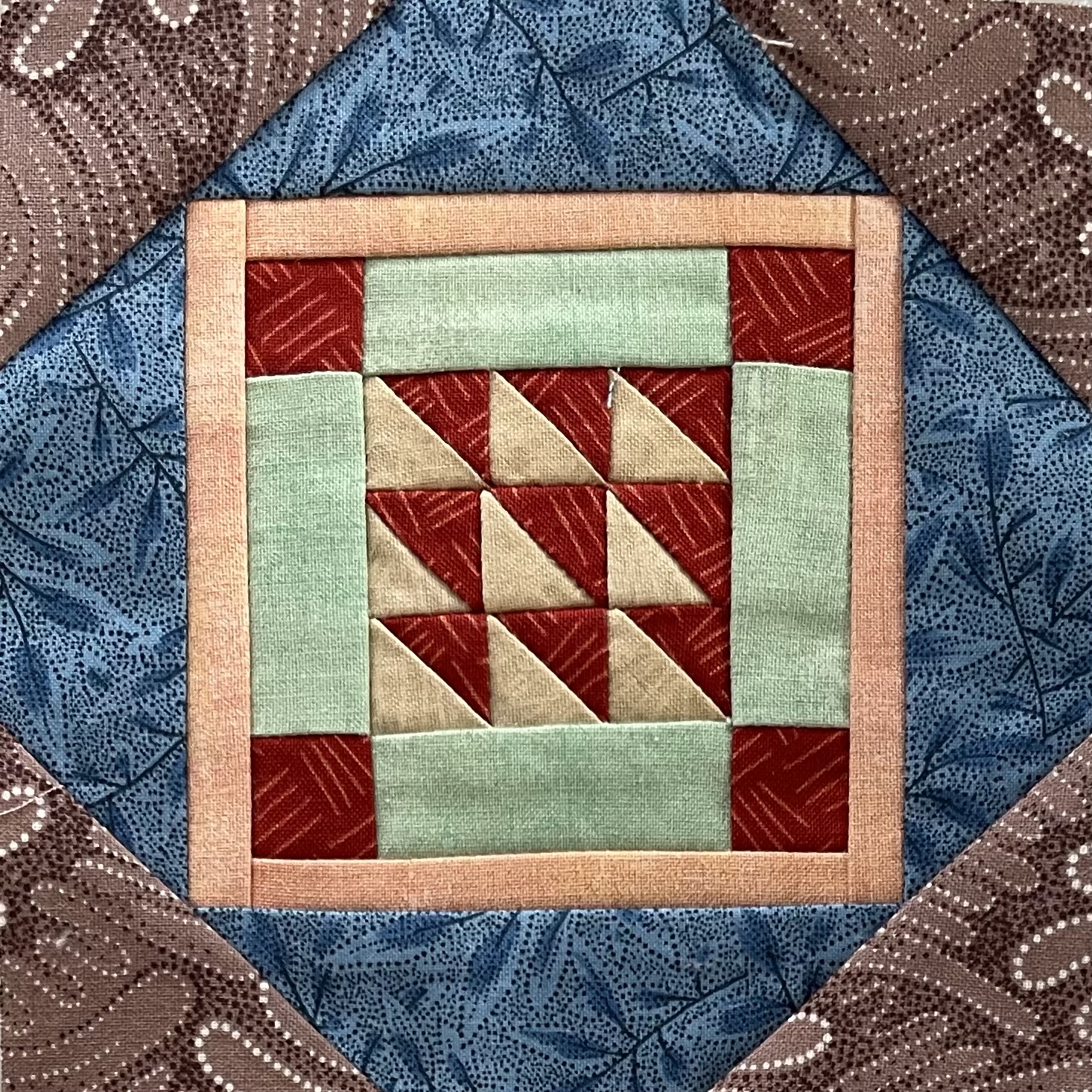
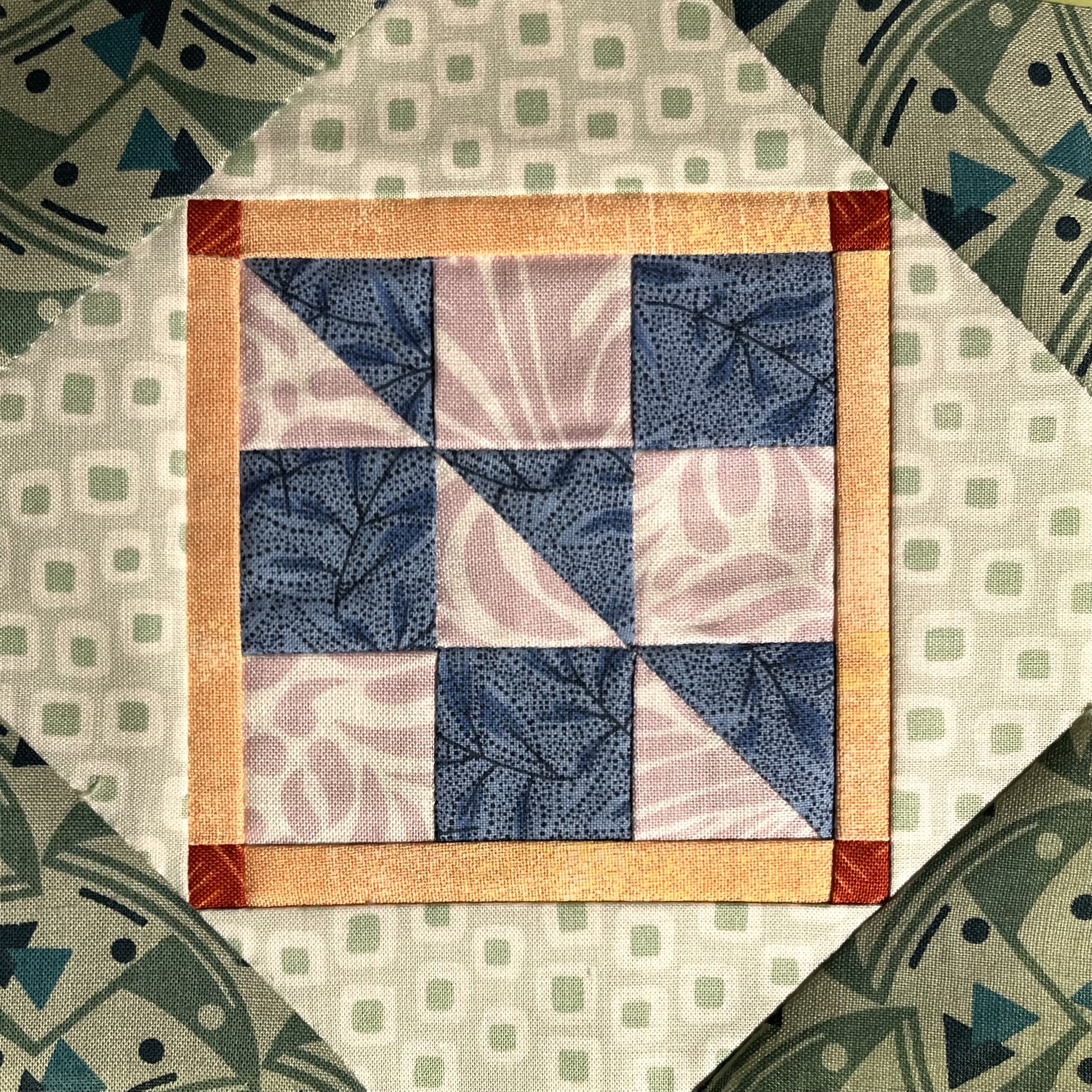
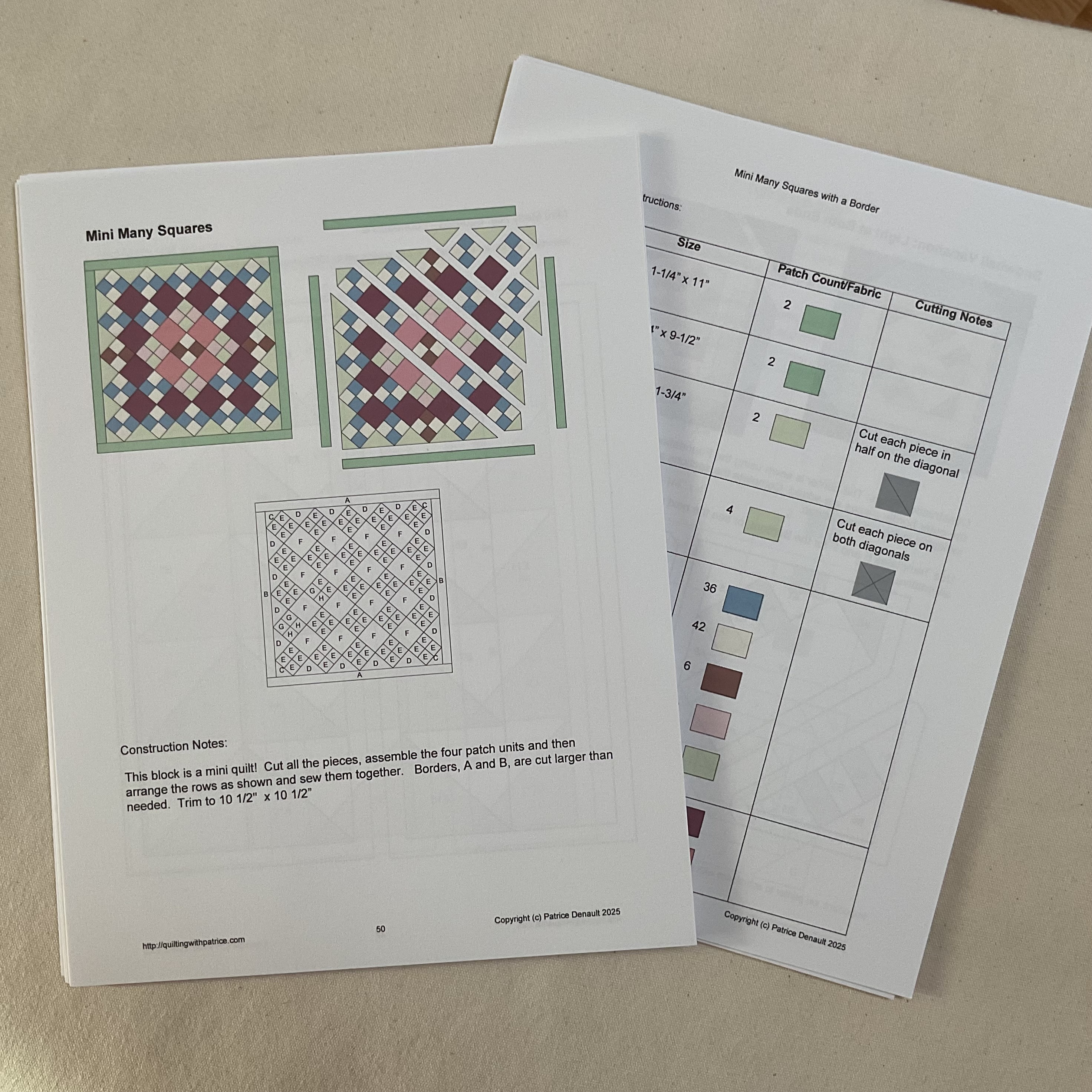
After photographing the blocks at the New England Quilt Museum I drafted each block in Electric Quilt. The best method for making most of the blocks is Foundation Paper Piecing, although some of the blocks are best made with rotary cutting. Here are details for two of the 10″ blocks in the quilt showing the original, the EQ8 Design and my block.

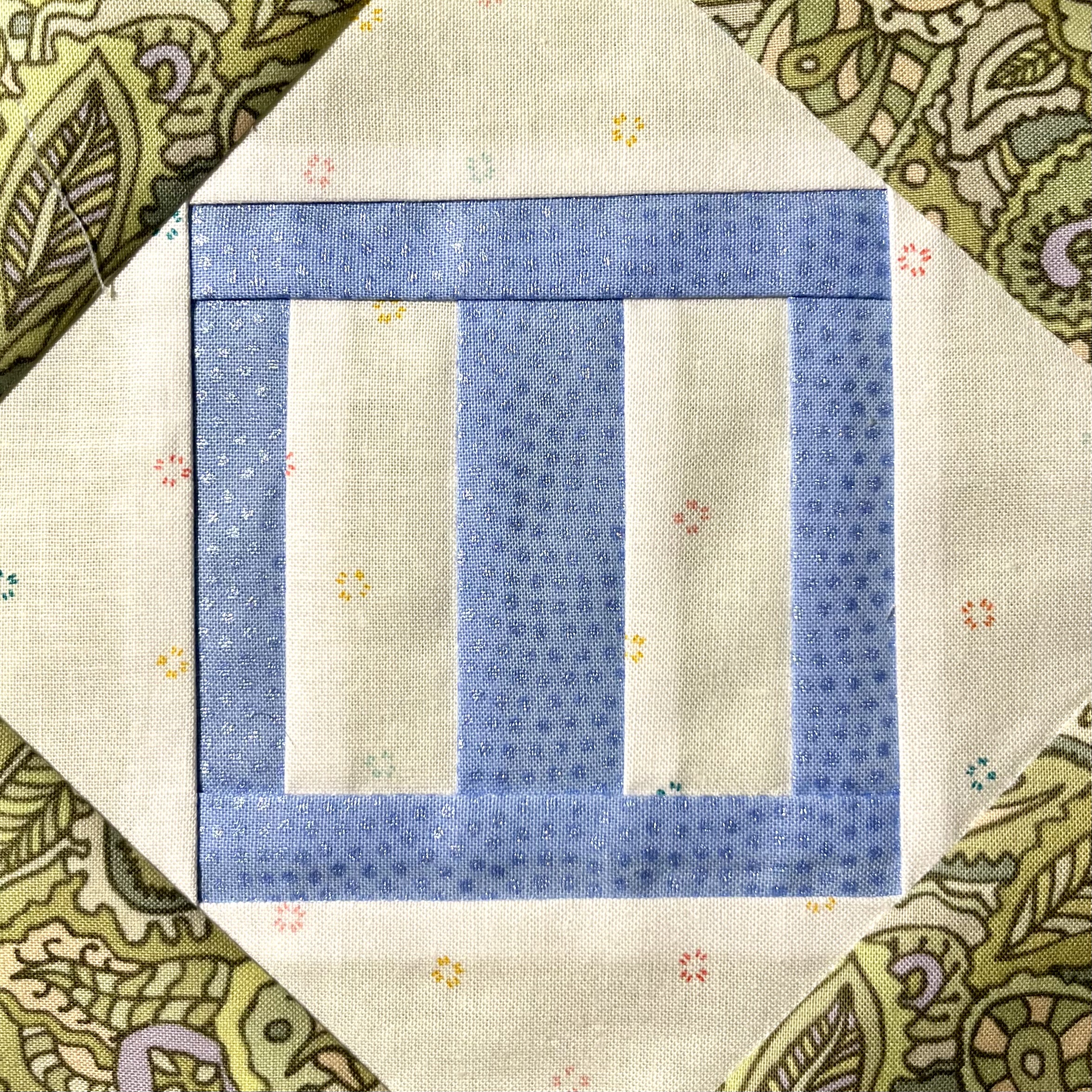
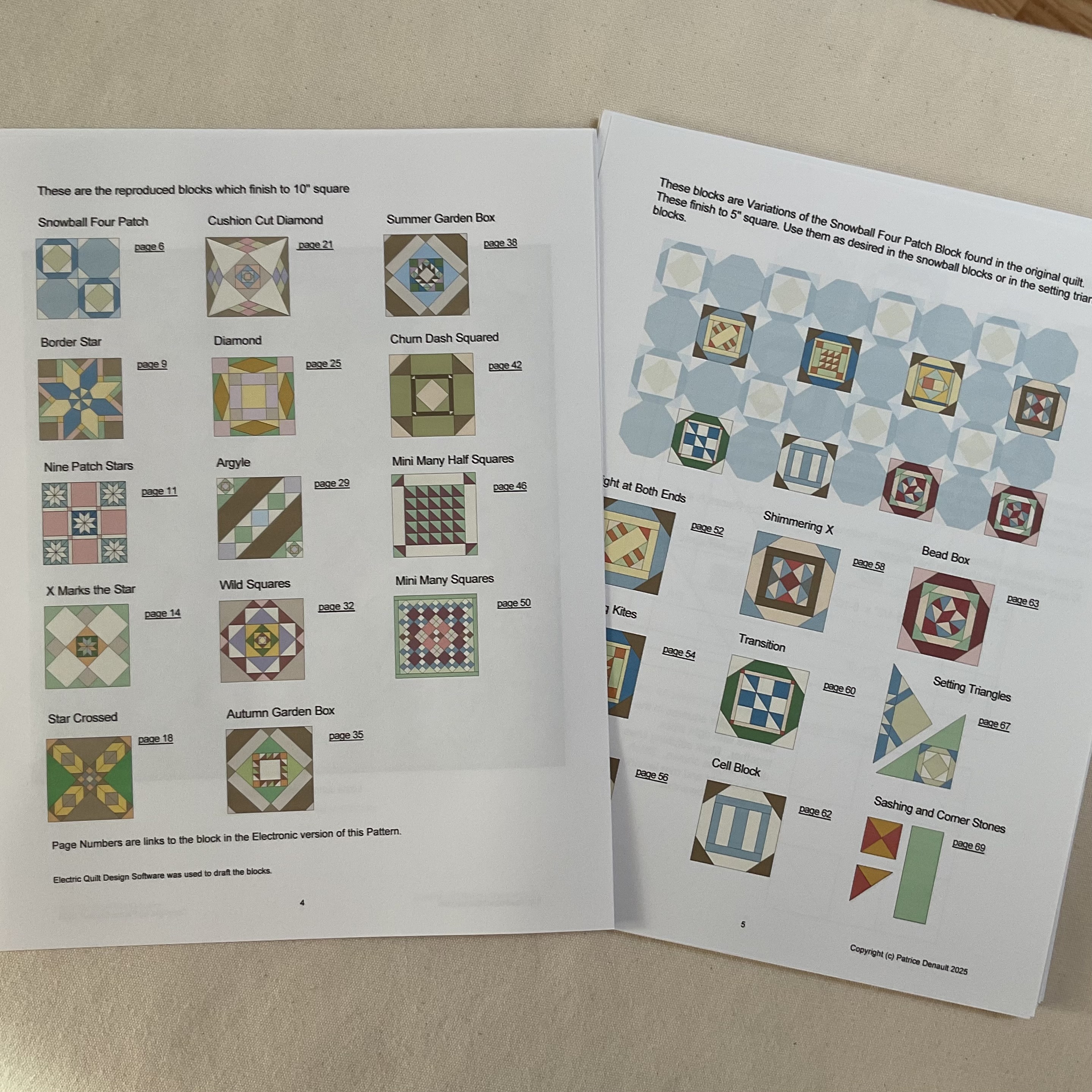
These are two of the 5″ blocks that Lizzie used in her 10″ blocks.

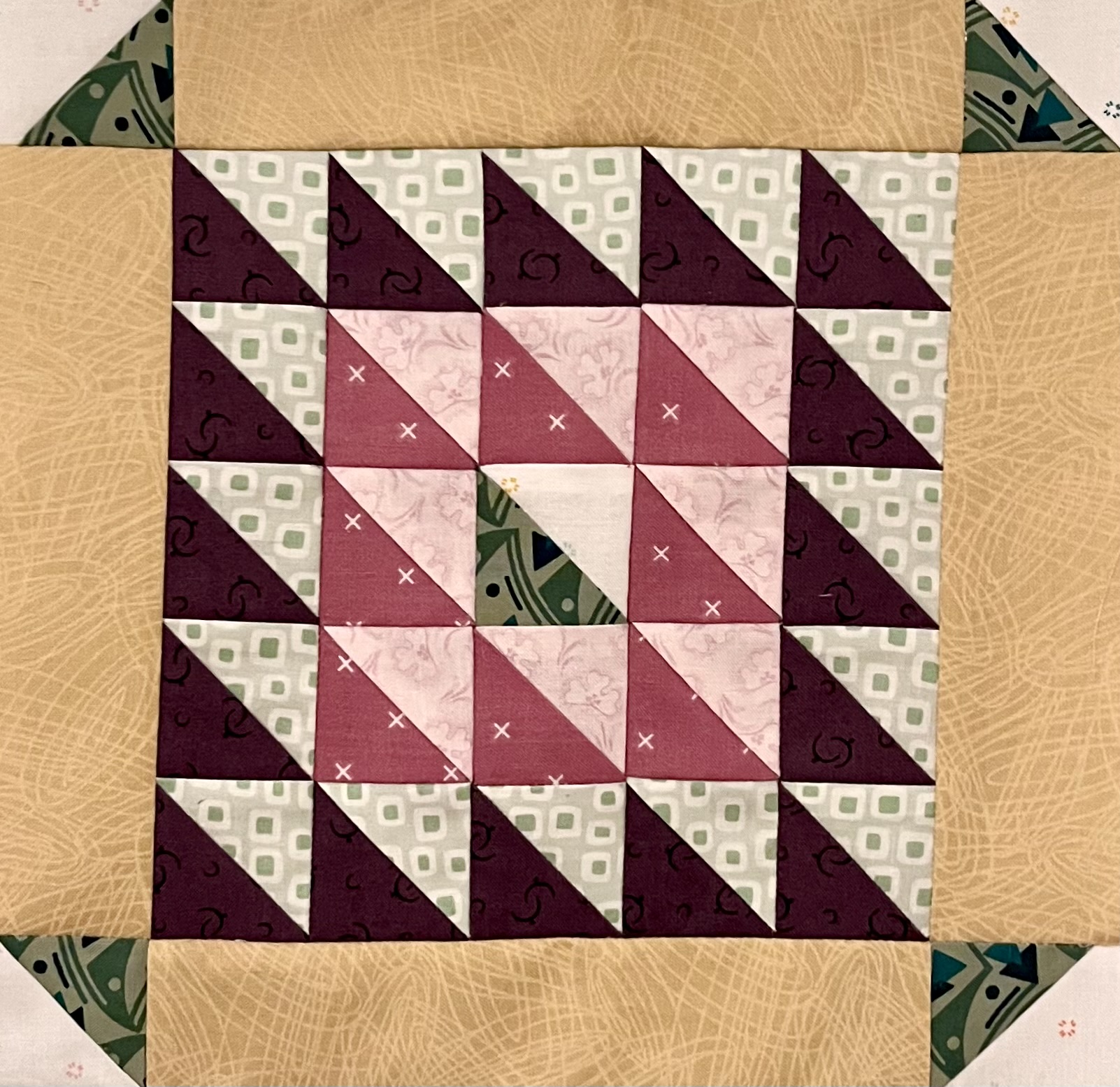
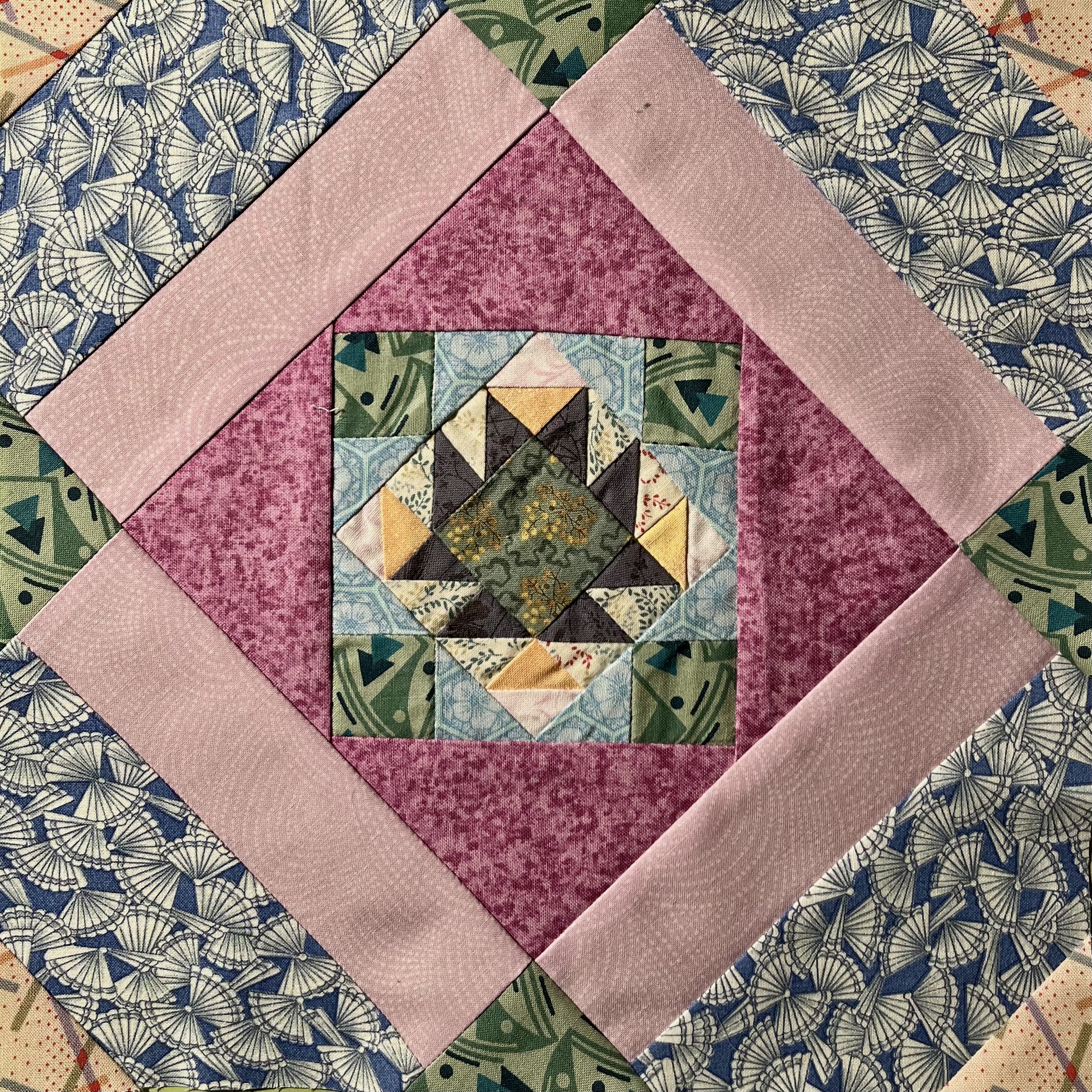
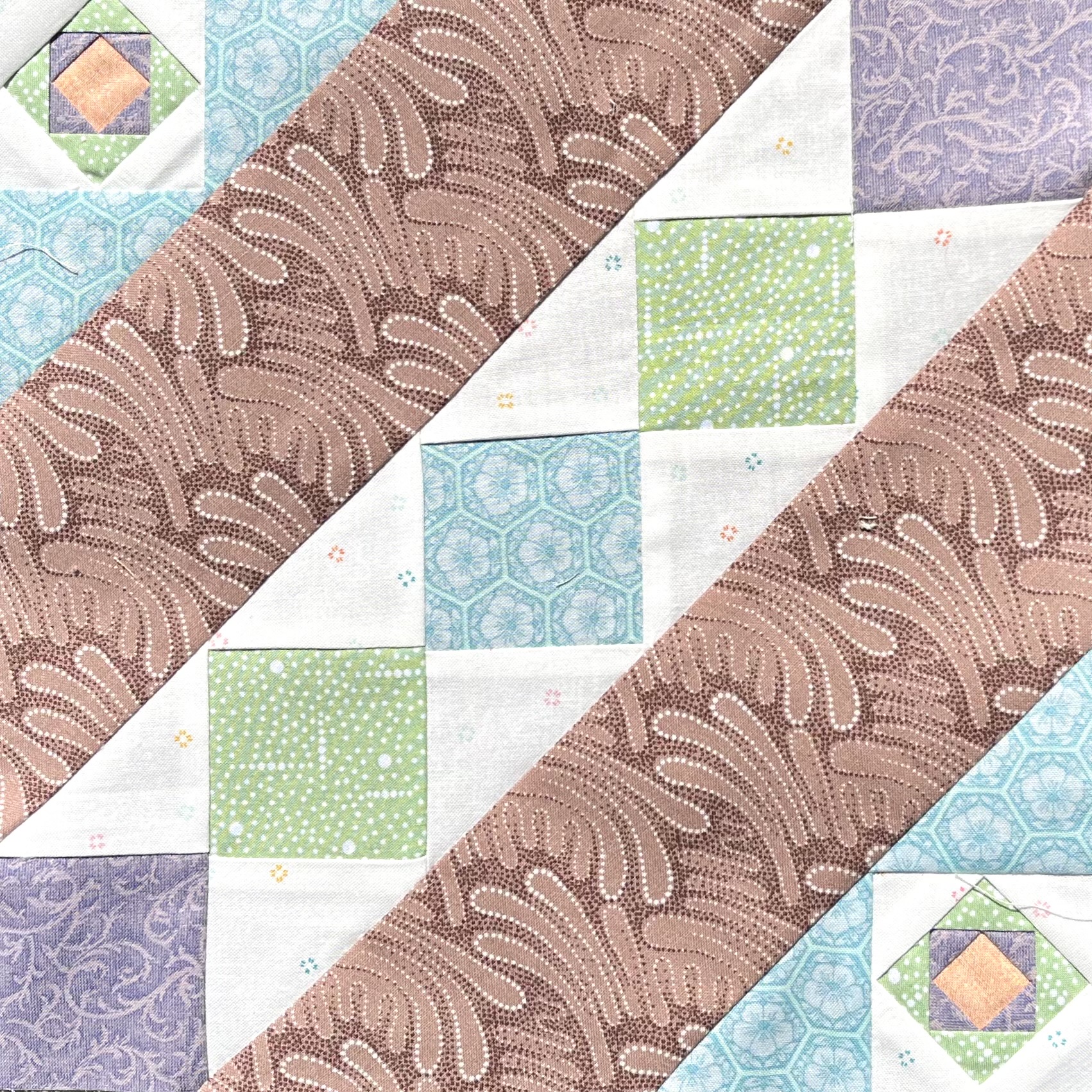
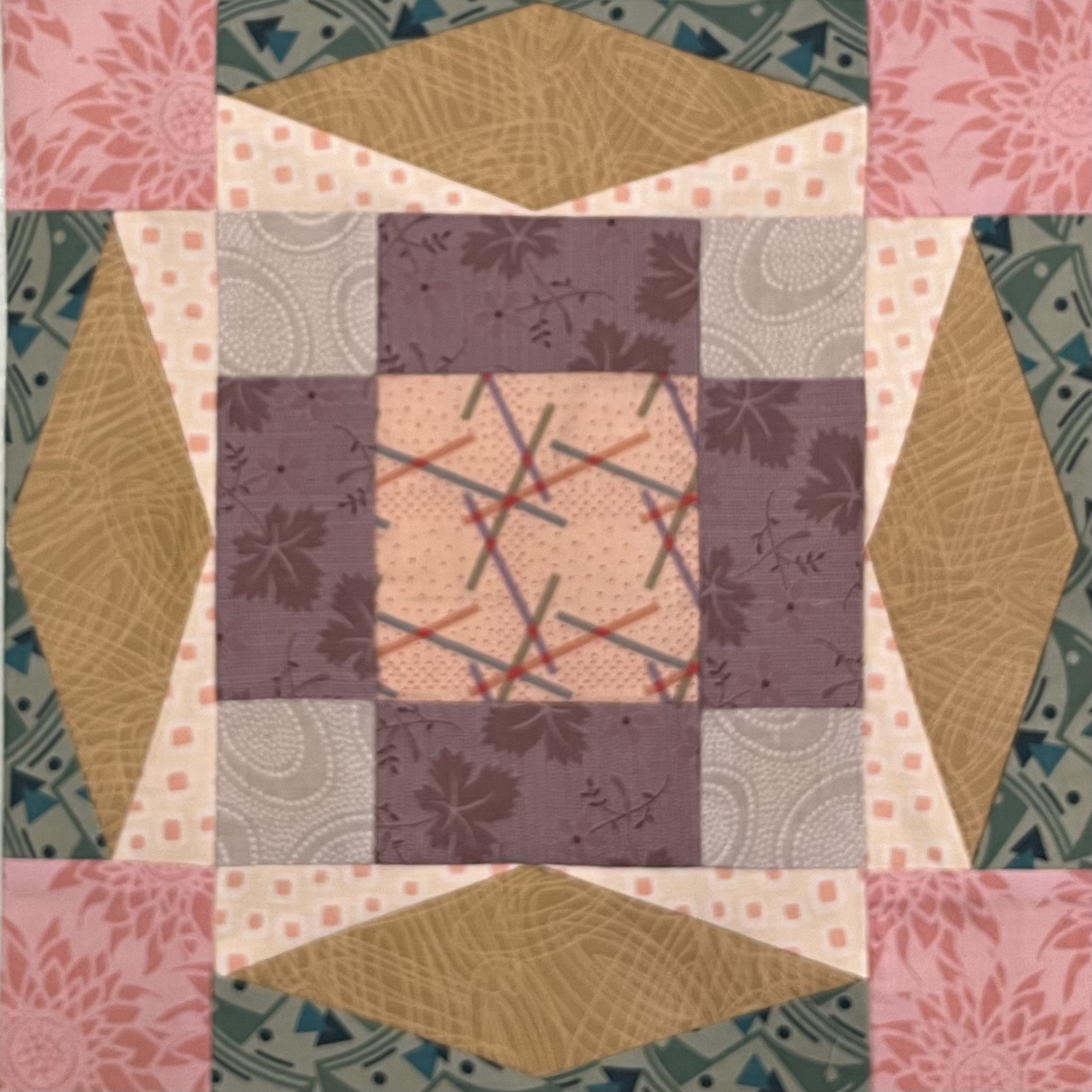
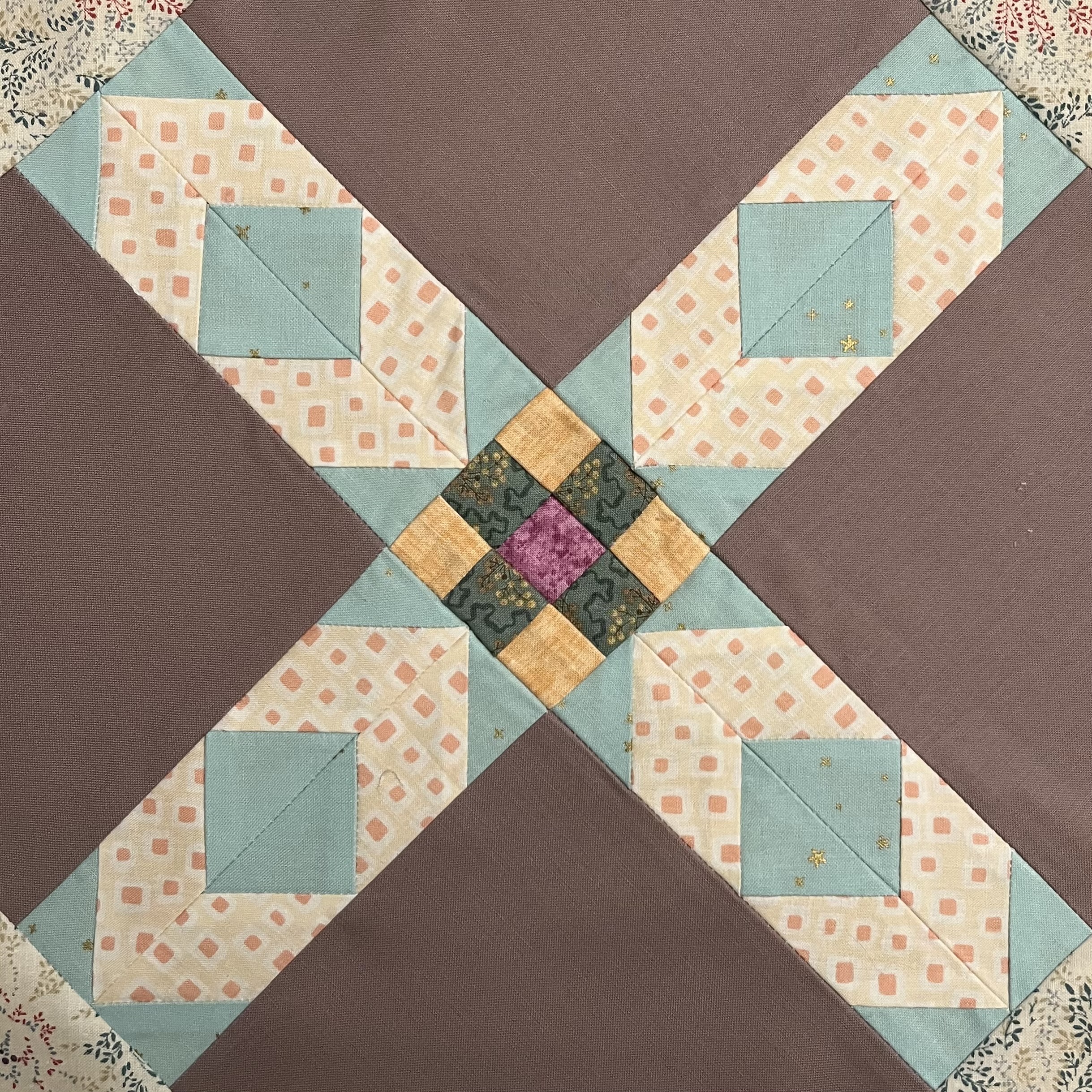
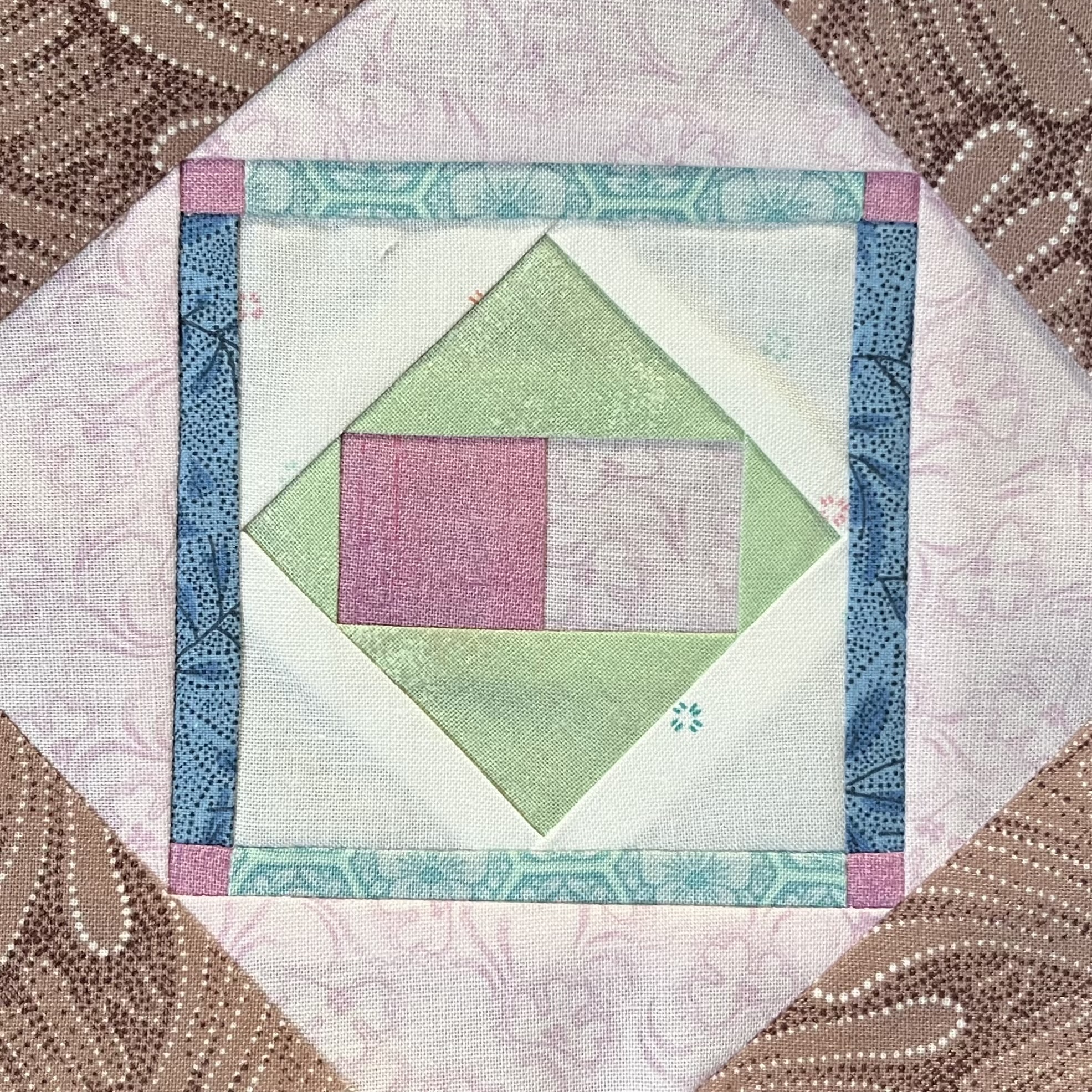
And a here are photos of the rest of the 10″ blocks that I created patterns for.

Here are the rest of the 5″ blocks that are in the pattern book.

After putting this top together I also made a mini version of Lizzie’s quilt. Pam Weeks, the Curator at the Museum, is writing a book that will include Lizzie’s quilt, as well as others in the permanent collection in the Museum. The book will have a pattern for this little quilt. Amazingly enough, someone donated silk fabric remnants to the museum and there was enough green silk for the sashing and borders, so I could use Lizzie’s color scheme and also have a mini all silk quilt.

After spending so much time drafting these patterns I decided to put a book together with the patterns for all of the blocks in Lizzie’s quilt. The book includes instructions and foundation paper templates for the fourteen 10” blocks and seven 5” blocks in Lizzie’s Quilt, and includes instructions to complete the 83″ x 83″ quilt.

The majority of the block patterns use the foundation paper piecing method, so please be comfortable with that method for making your blocks.

This quilt is in the permanent collection at the New England Quilt Museum in Lowell, Massachusetts. 25% of the proceeds from the sale of this pattern book will be donated to the museum.

This is a digital PDF download. No printed book will be mailed. A printer is required to print the patterns and instructions.
Year of the Cat

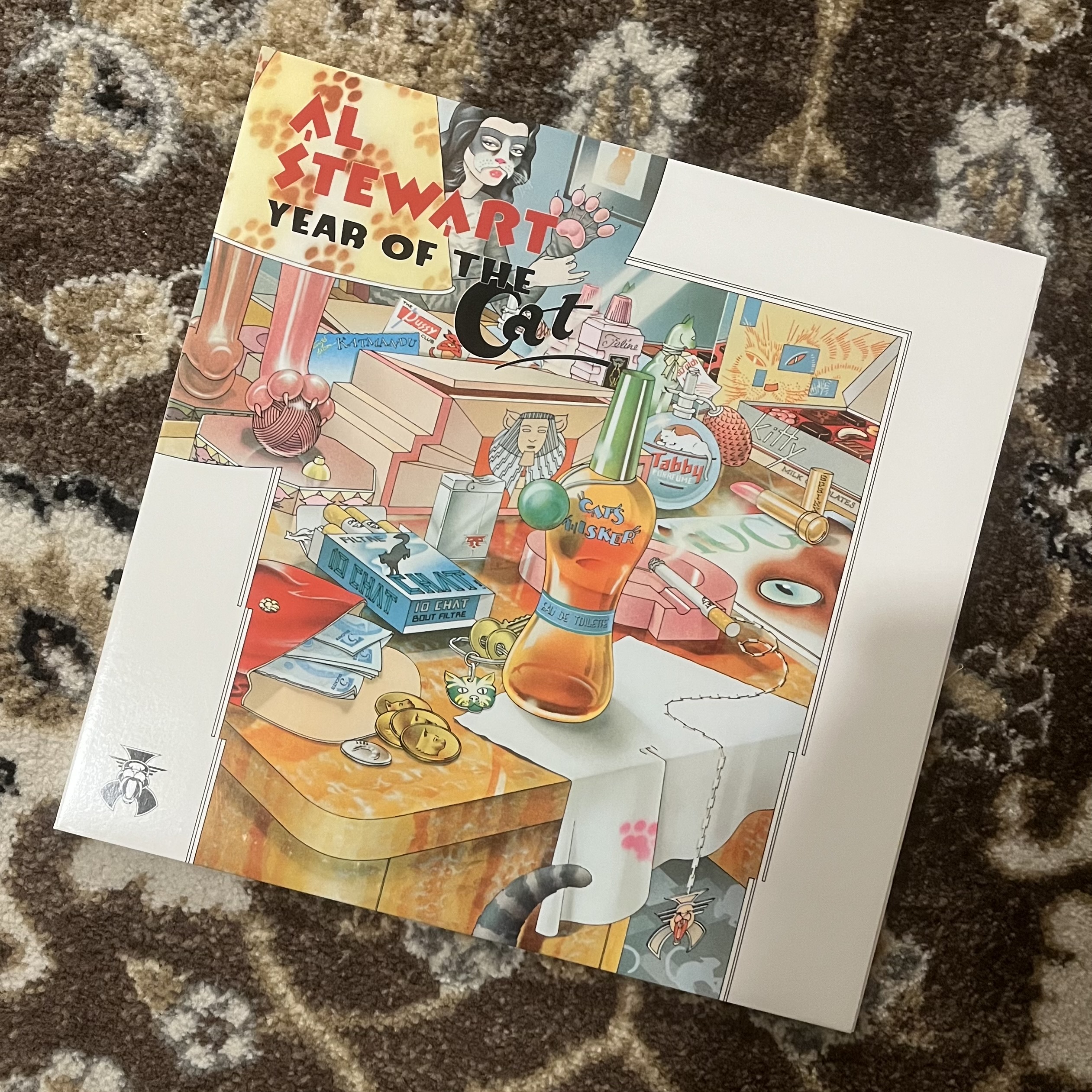
The latest Boston Modern Quilt Guild challenge was to pick a song and create an 18” square quilt that depicts the feeling you get when you hear the song. Without hesitation I thought of Year of the Cat by Al Stewart. The song was released in 1976. 1977 was my senior year in high school and this was my boyfriend’s favorite song.

We’re walking down the hall together on our way to the cafeteria. This girl walks by. He says “See that girl? Her name is Cat!”

And all this time I thought it was my patchouli oil. 

Sigh.

Gerry went to the Prom with Cat. I went with my good friend Bill.

Years later I met Bob. We moved in together and he set up his stereo. He started playing some of his albums (we still called them albums). This song comes on and Bob asks me if I am a fan. I had to laugh! But since then, I have become a fan of Al’s, and despite that heartbreak, I am very happy because I landed very nicely, thank you! … and yes we still have the ALBUM!!

Visiting Judy in Arabia

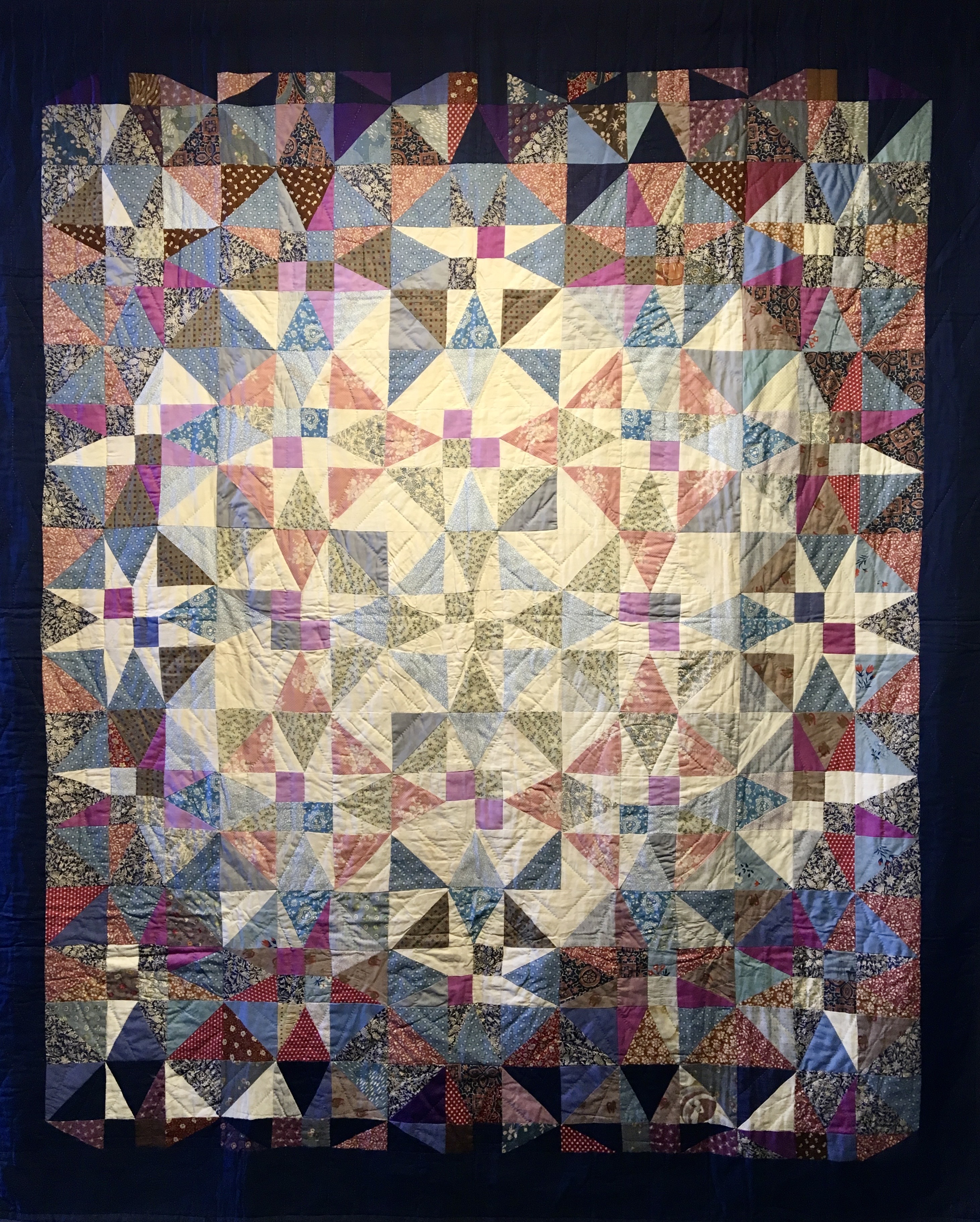
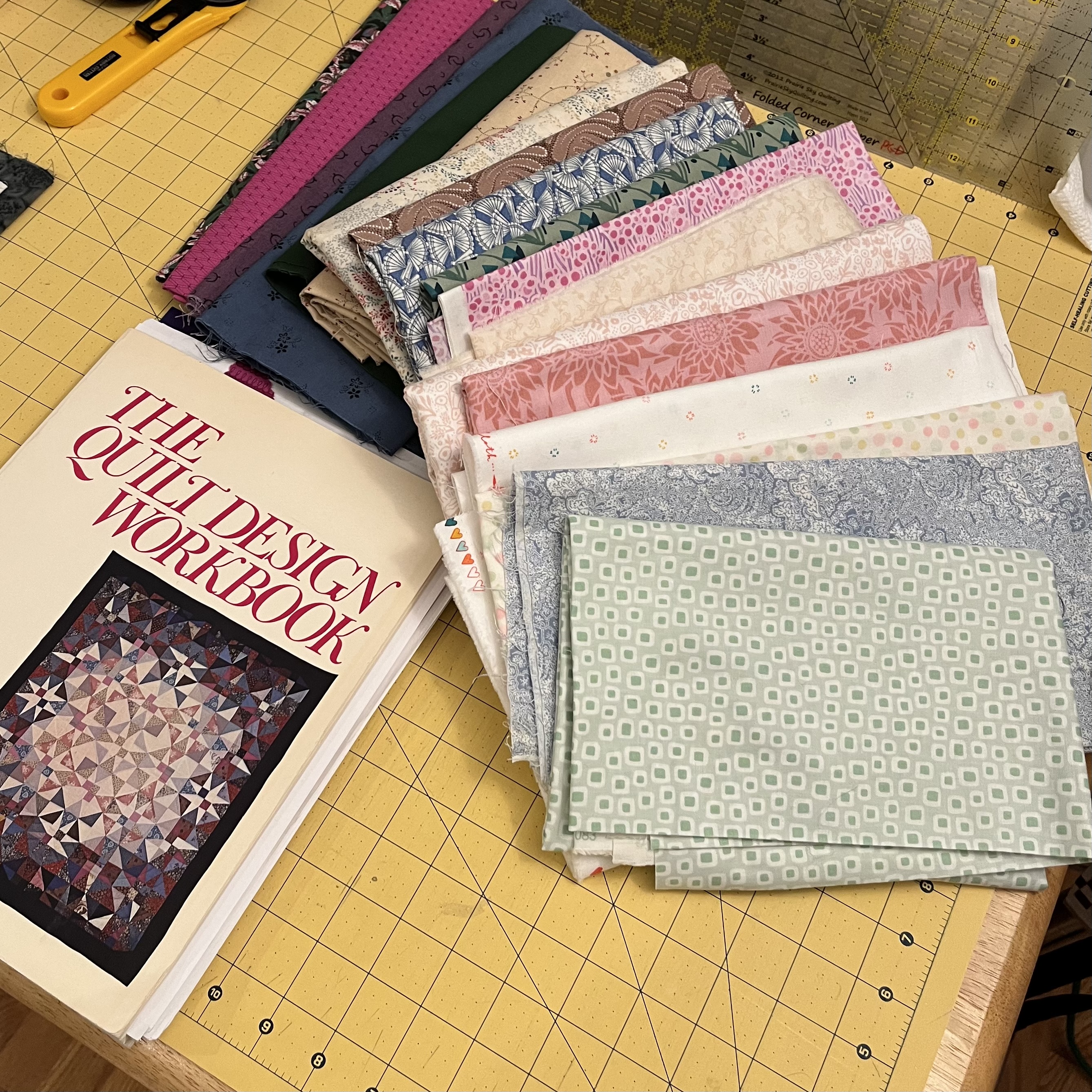
In 2018 Jeffrey Gutcheon’s quilt “Judy in Arabia” was exhibited at the New England Quilt Museum. His quilt caught my eye because of the use of color, from light in the center to dark at the edges and, also, the movement of the overall design. I discovered that Jeff had done all the drawings in his wife Beth’s book “The Perfect Patchwork Primer”. Jeff and Beth went on to write a second book together, “The Quilt Design Workbook”. This quilt and the block “Judy in Arabia” are included in that book. These are vintage 1970’s books and Jeff’s quilt was made in the midn1970’s.

I chose to study Jeff’s quilt when I was given an opportunity to participate in the American Quilt Study Group 2025 Quilt Study. My quilt was exhibited at their Study Seminar in Portland, Maine, and although it was not chosen for their touring exhibit, it is included in the book documenting the study. My quilt is 42” x 42”. Jeff’s quilt is 72” x 84”.

Jeffrey Gutcheon

I took advantage of Electric Quilt to design my quilt. The block Judy in Arabia is in Barbara Brackman’s Encyclopedia of Pieced Quilt Patterns, and I have that add on, BlockBase+, in my EQ8 software.

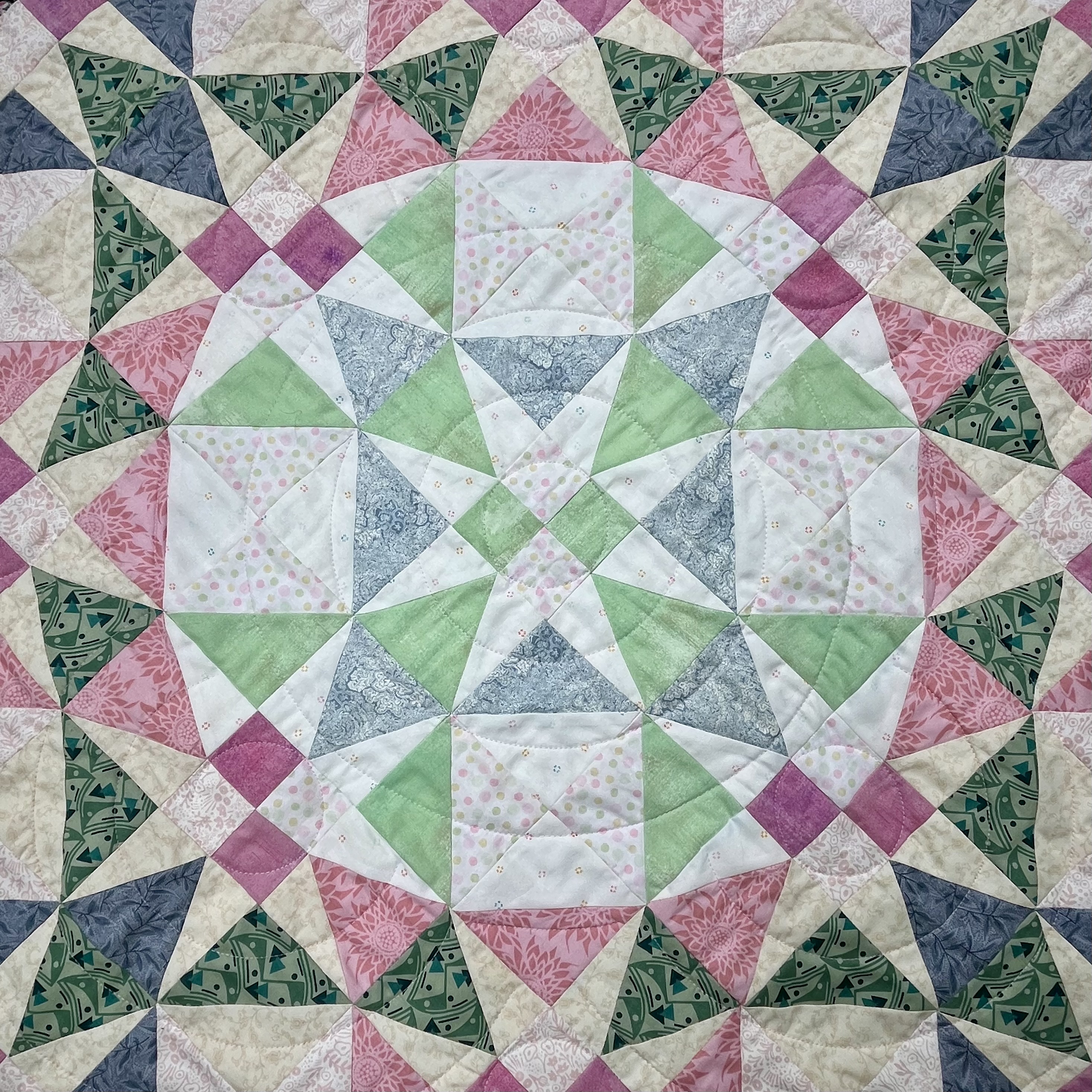
My process involved studying Jeff’s quilt and then finding fabrics to get the right values from light to dark with an overall vibrant look. I ended up redoing the center of the quilt, because I did not think the green fabric was dramatic enough

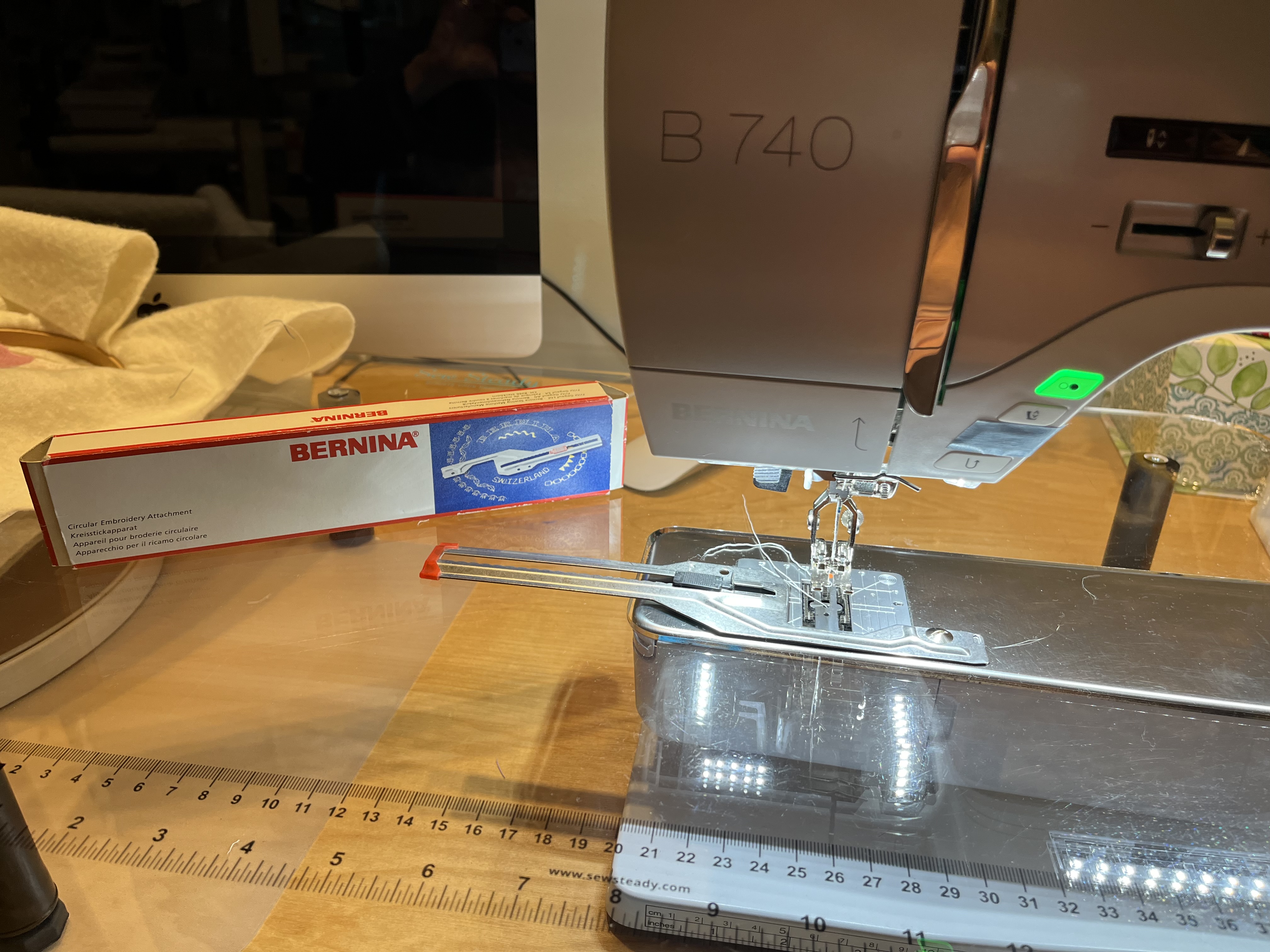
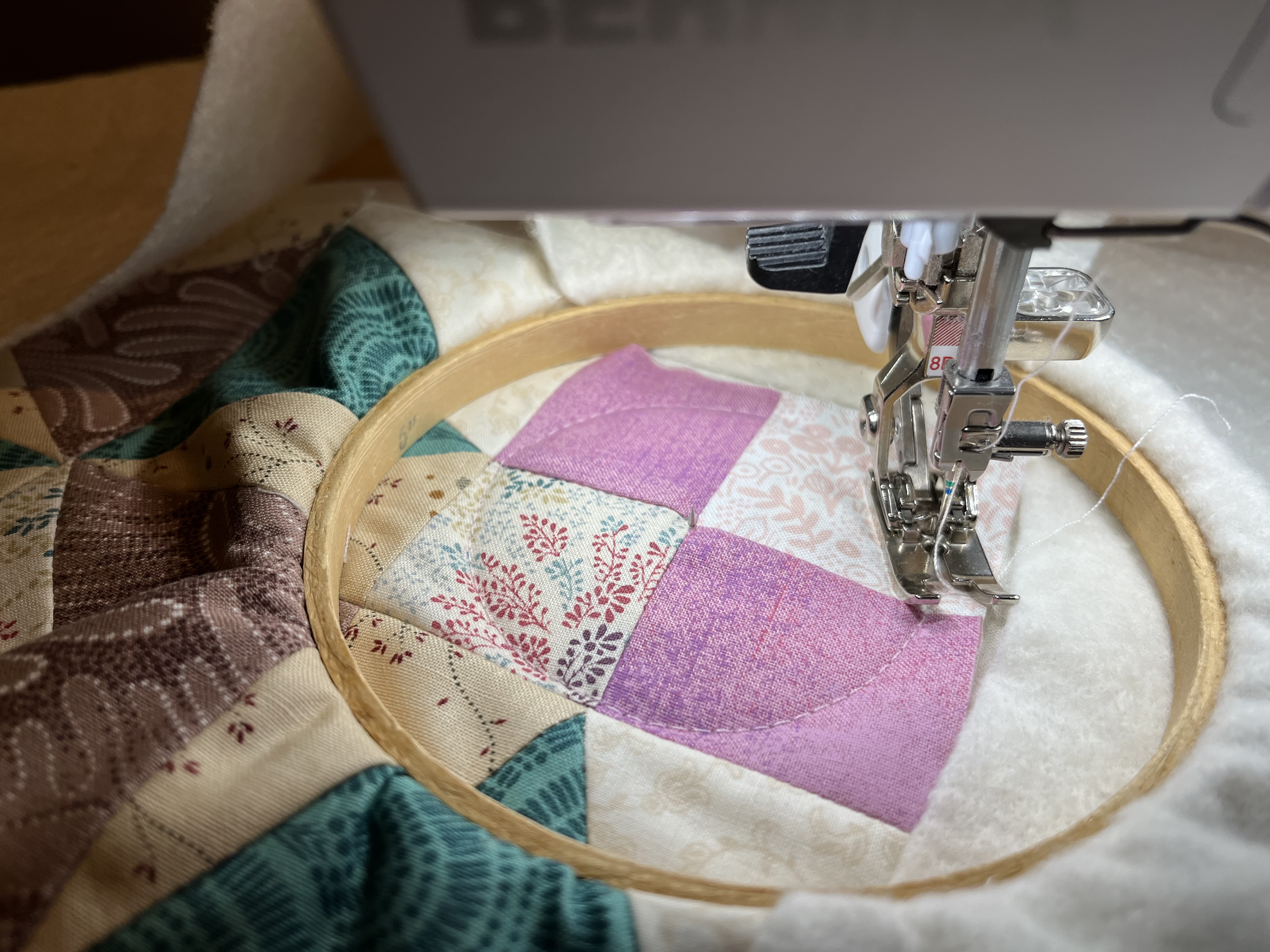
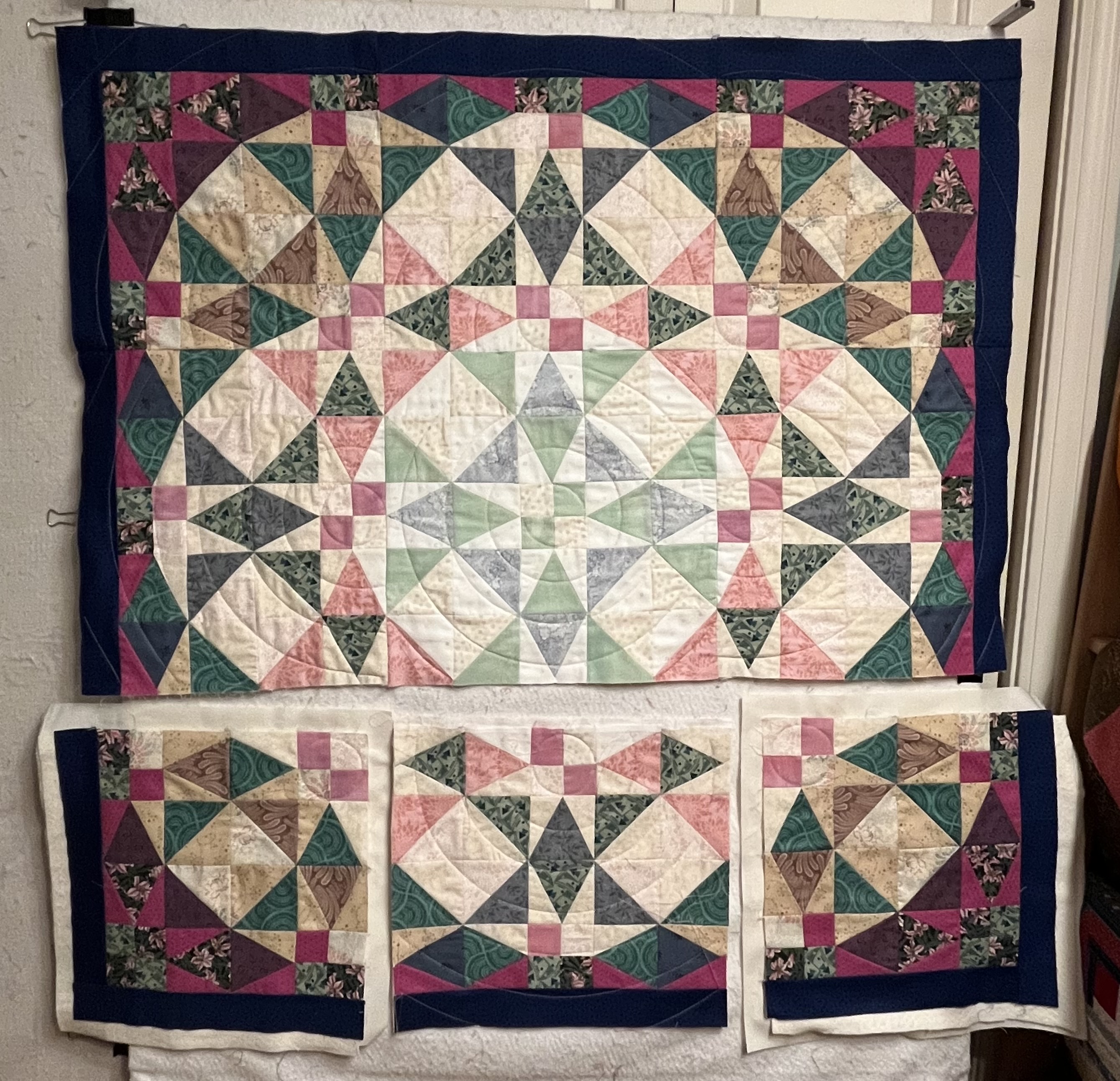
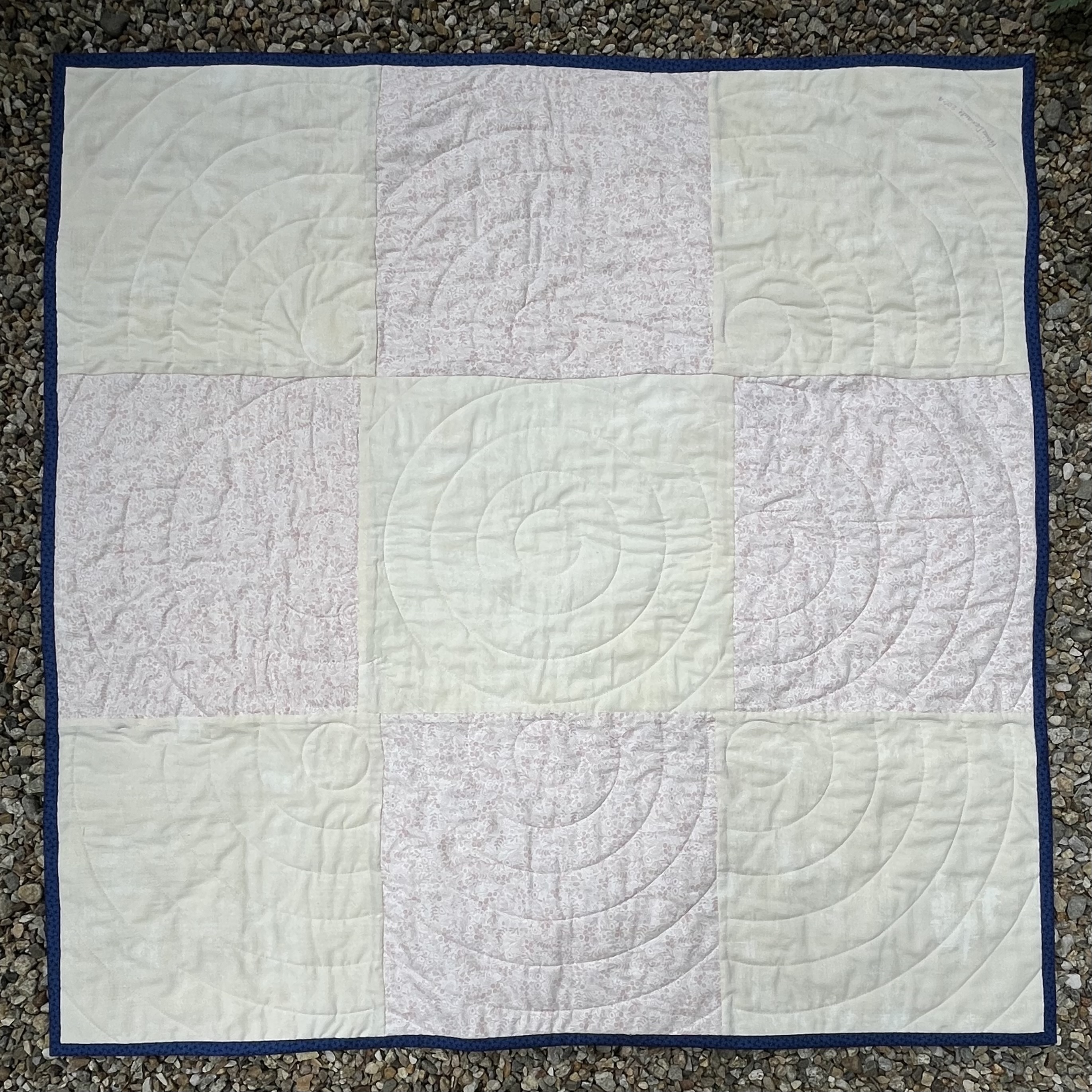
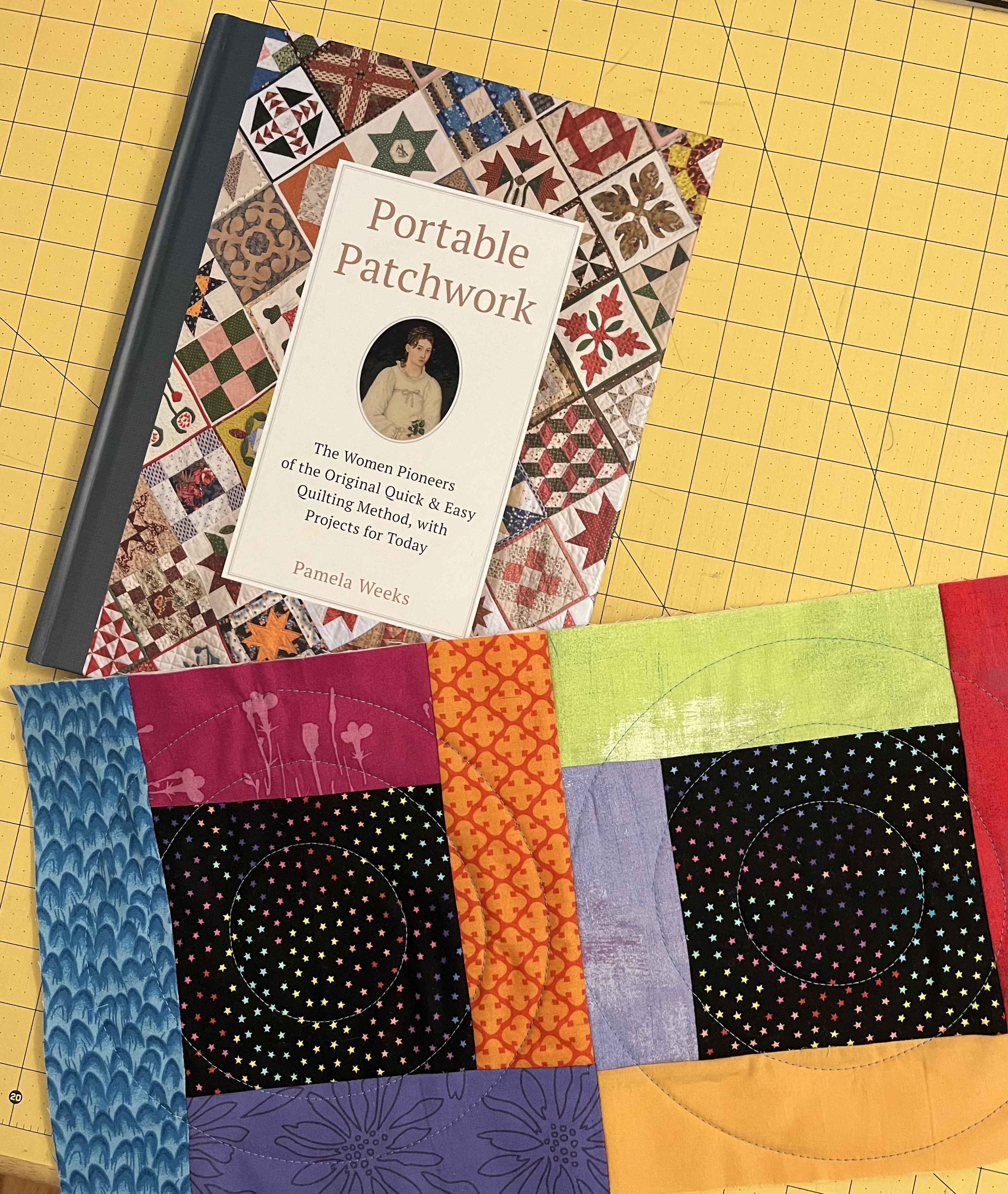
To finish my quilt I decided to use a style of quilting typically seen in quilts made in the 1970s. Quilting was much less dense and often done on a domestic sewing machine, if not by hand. I decided to use my BERNINA 740 with the circular sewing attachment. Once I made my first circle with the attachment I then traced that to fill the block. I also decided to use a quilt as you go, or potholder, quilting technique. This made it much easier to manage the quilting on my domestic machine and I was able to achieve perfect circles.

You can read more about Quilt as You Go techniques and the history of this type of quilting in Pam Week’s book Portable Patchwork.

Venus on a Monday Afternoon

Venus on a Monday Afternoon

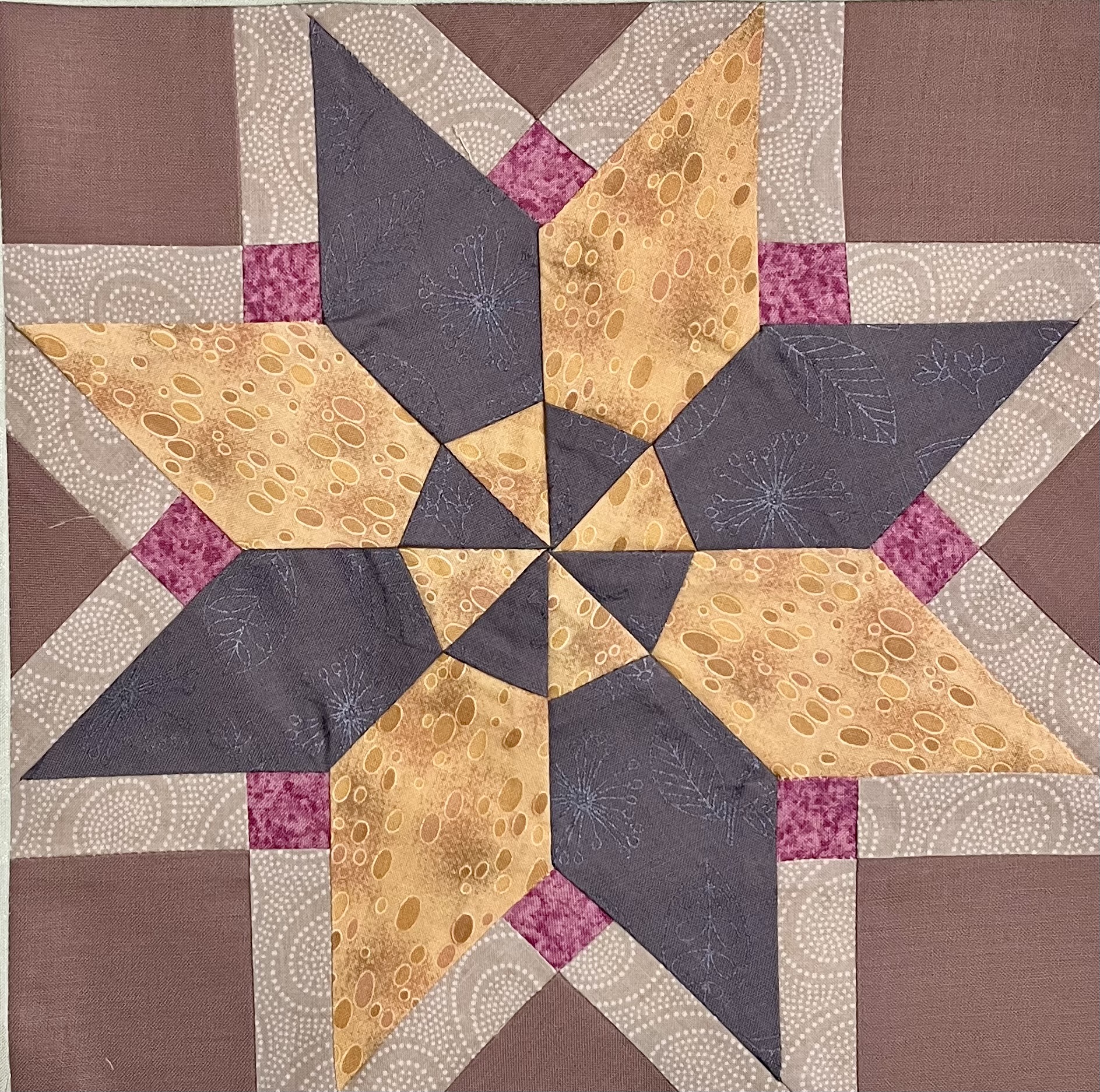
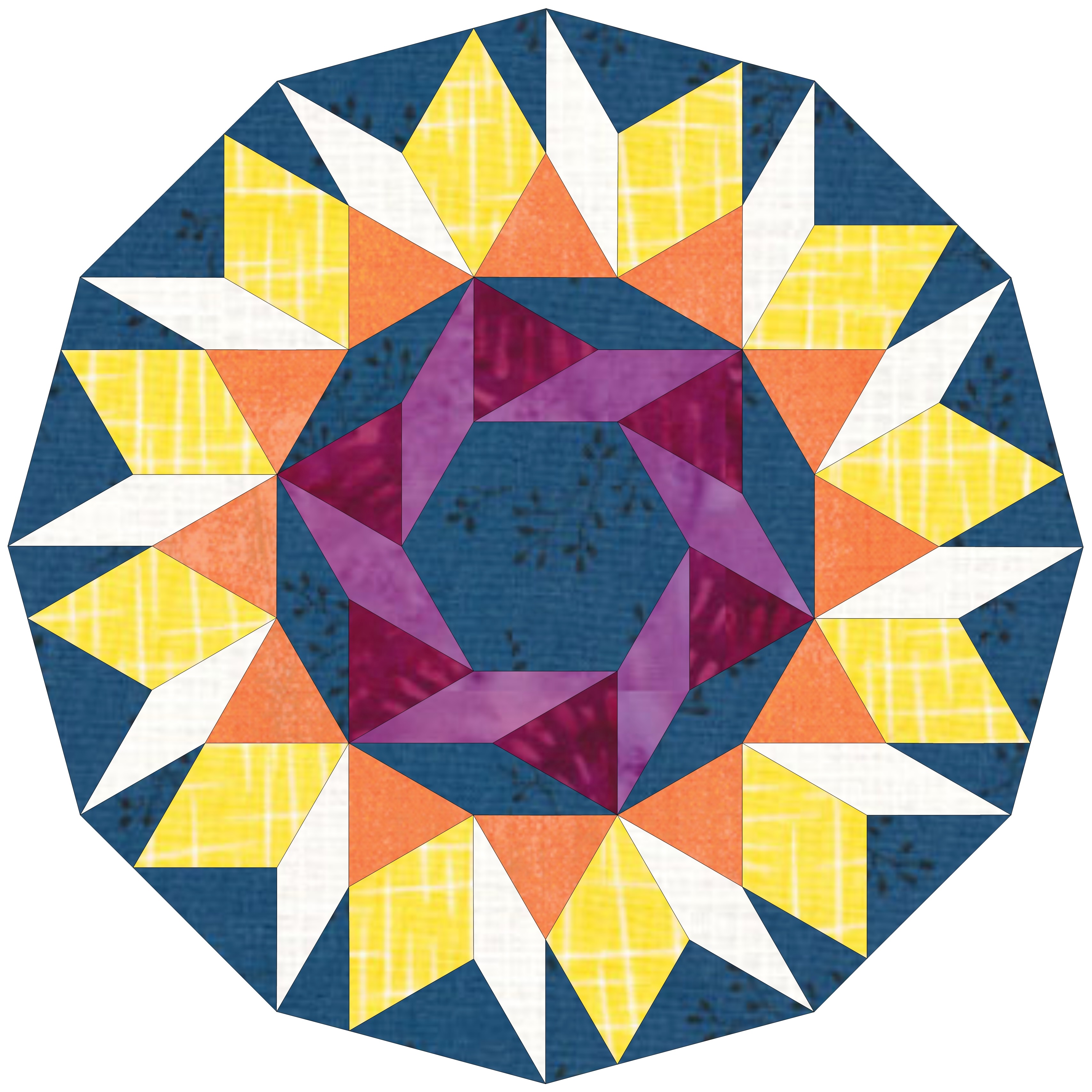
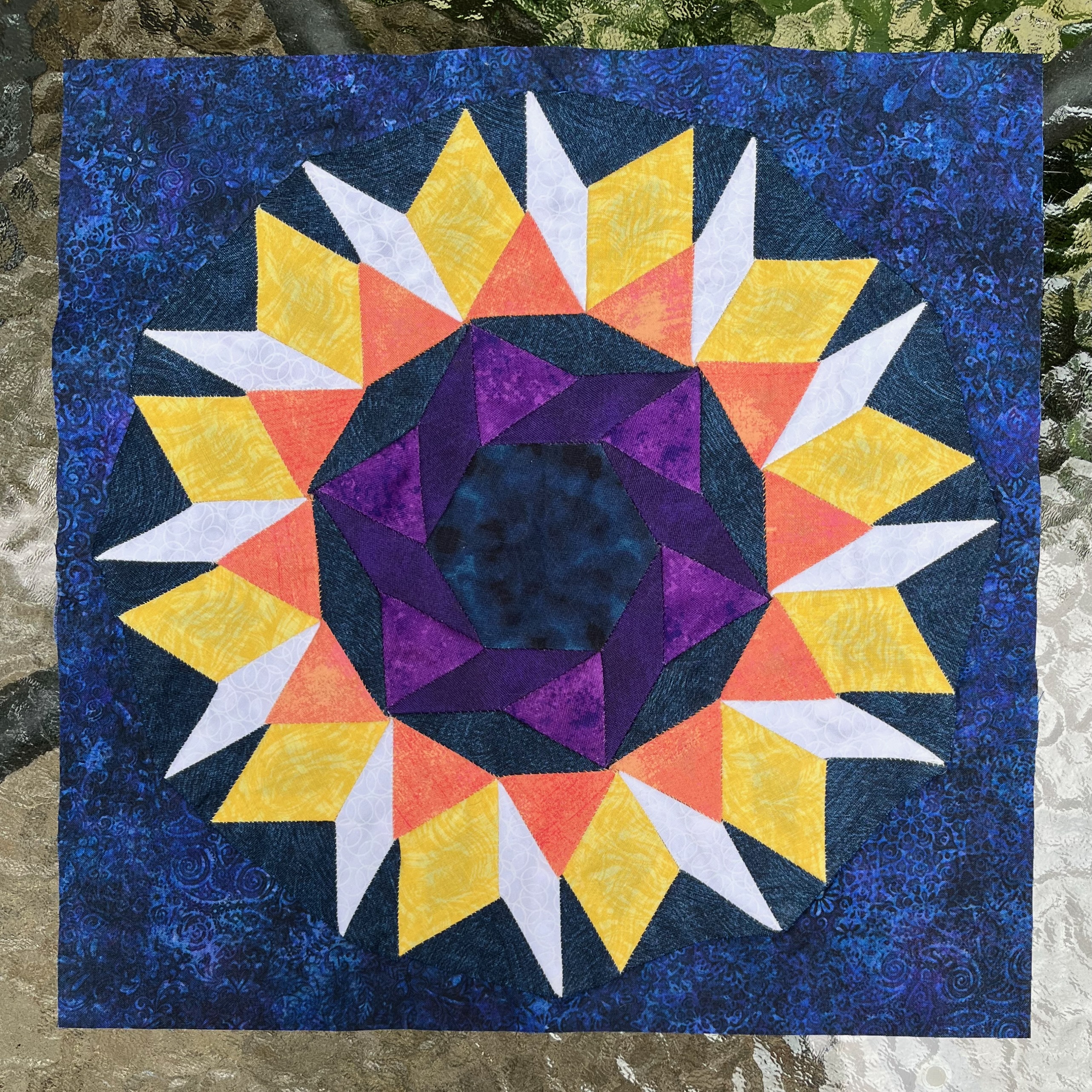
I was lucky enough to see the full eclipse of the sun in April 2024 in my Niece’s backyard in Panton Vermont. The Eclipse Star block is based on an arrangement my 8 year old Grandniece Iris came up with when we were playing with her wooden blocks that are shaped like quilt pieces.  And, to explain the name of the quilt I will tell you that while in the middle of being stunned by what we were seeing, suddenly, we were wondering which planet is that below the eclipsed sun? Just as suddenly the moon continued on its path and the sky was full of light again.

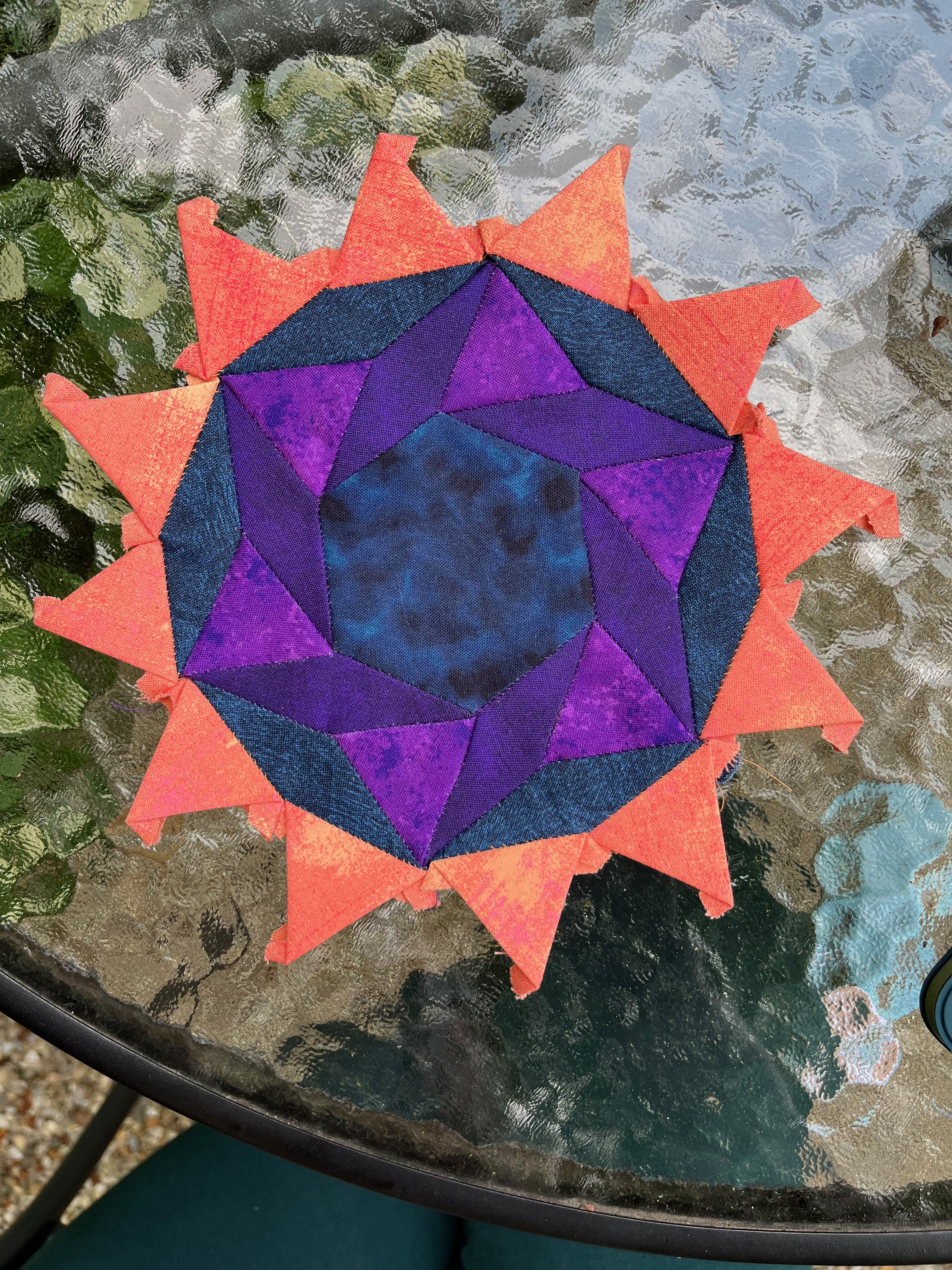
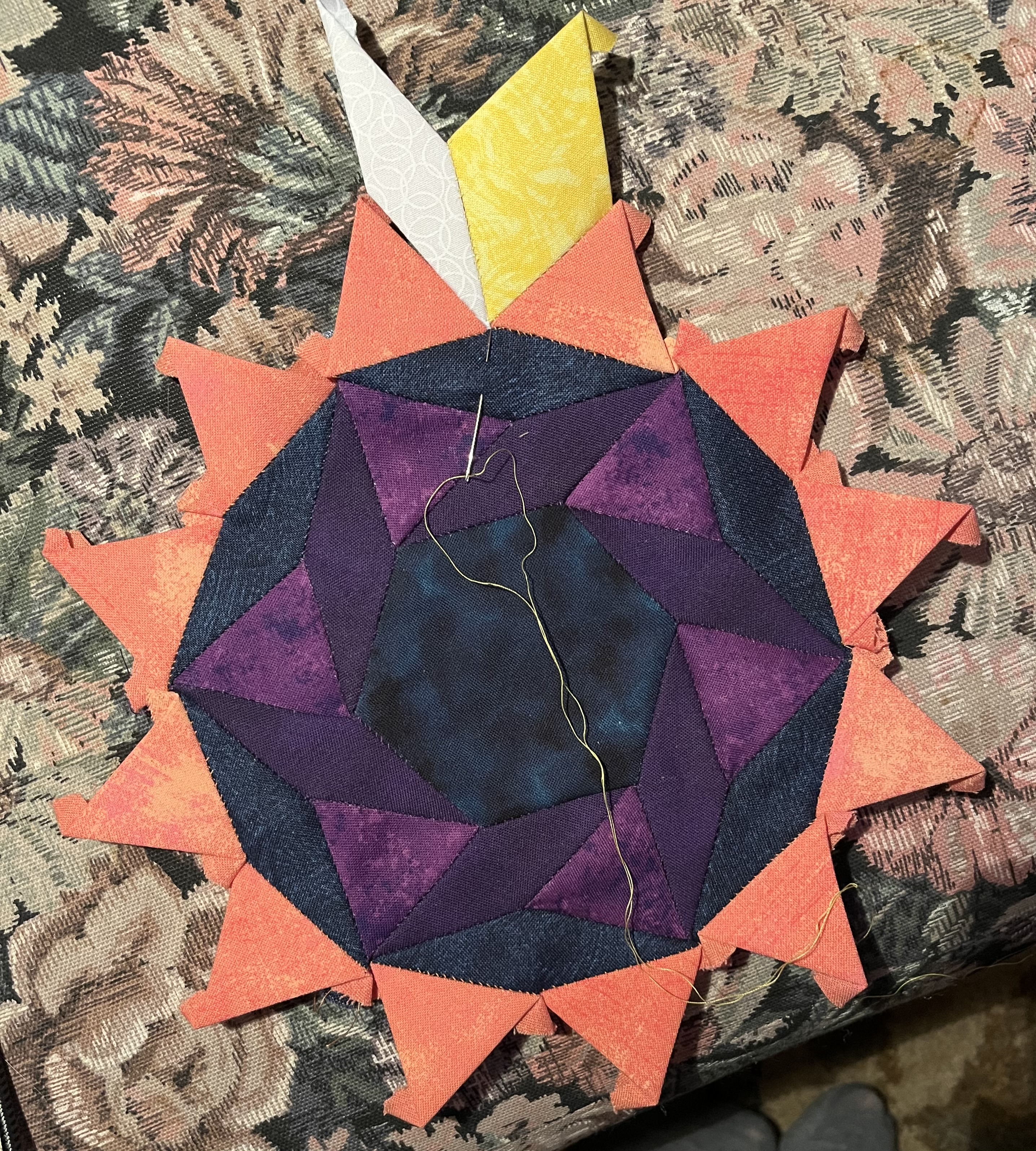
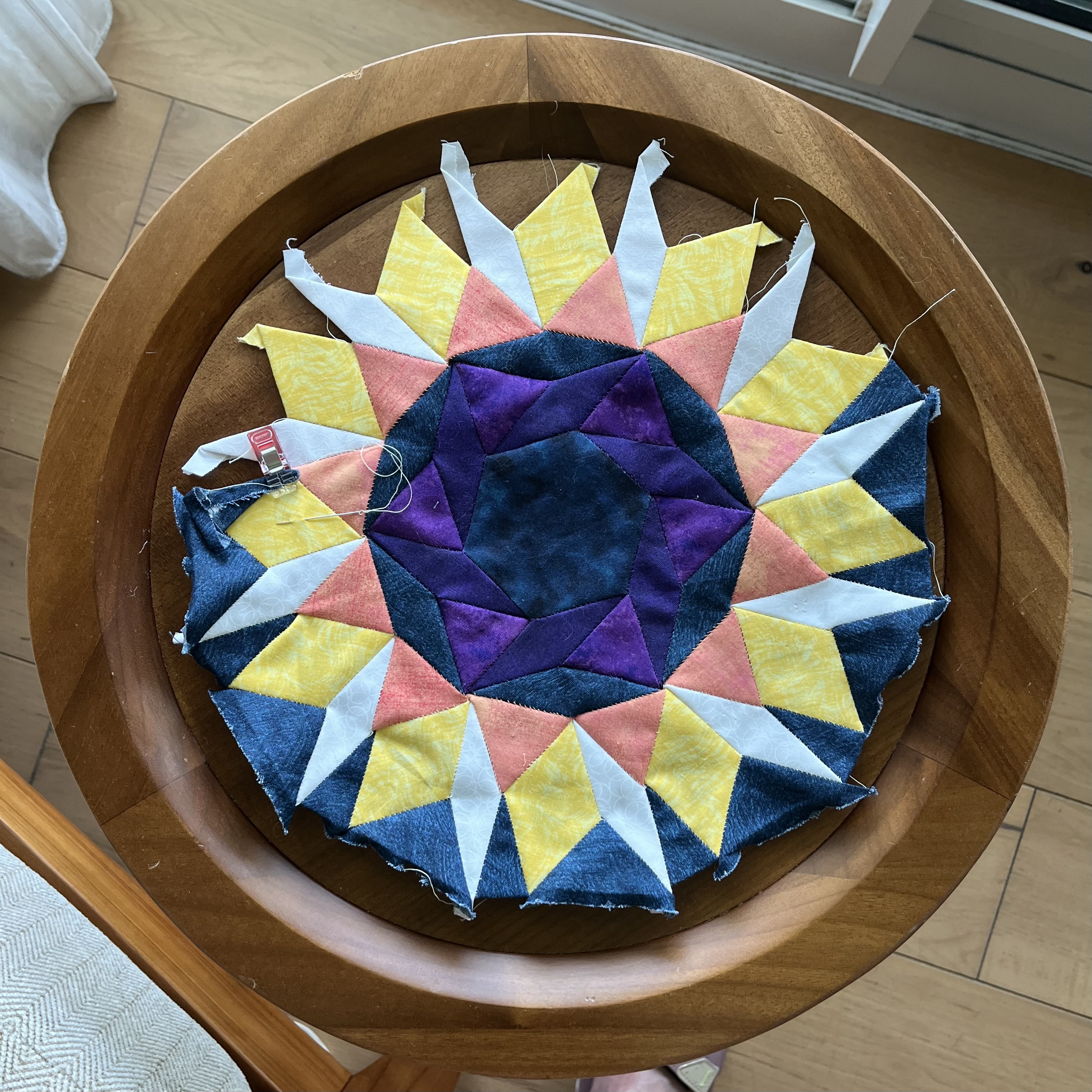
I was able to replicate Iris’s block design in Electric Quilt and then I also found the paper pieces and acrylic templates for sale at Paper Pieces so that I could put the block together using the English Paper Piecing method.

Here is an overview of the process I went through for piecing the block together.

If you are interested I have a put together a FREE pattern for the star block, but please be familiar with the EPP method.

The Back of the Quilt is interesting, too, with the quilting for the sun highlighted.

This quilt was exhibited at Boston City Hall in March 2025 along with my Medallion Quilt. The best part is that it was featured on the advertising graphic.

Finding Your Way

Finding your Way

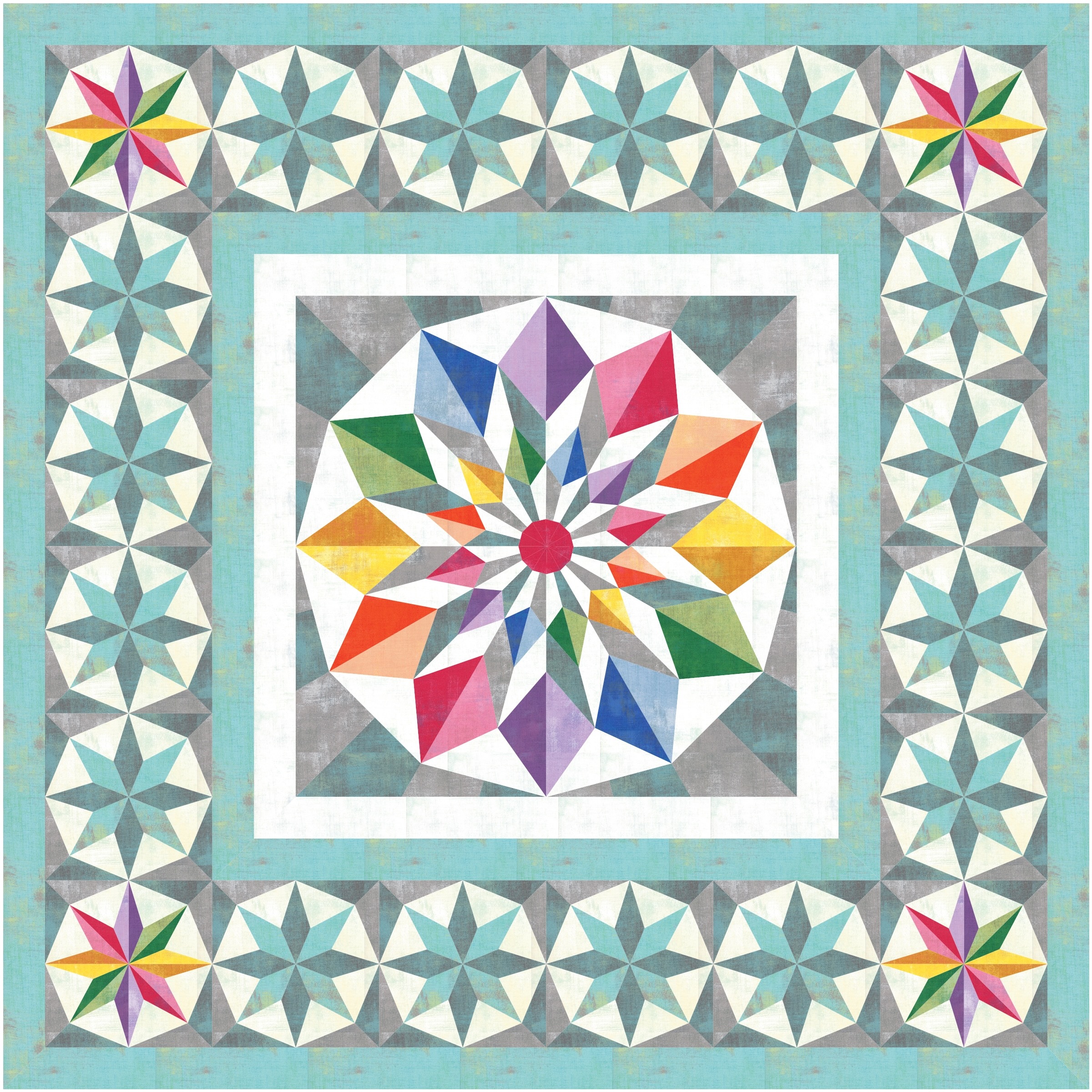
This quilt was inspired by the ceramic coaster that my cup of tea rested on while I was sewing. It is based on the Mariner’s Compass pattern, one of the oldest quilt patterns that echoes a wind rose diagram used for navigating the seas In the 13th century. I hope this quilt is a helpful inspiration for finding your way through life.

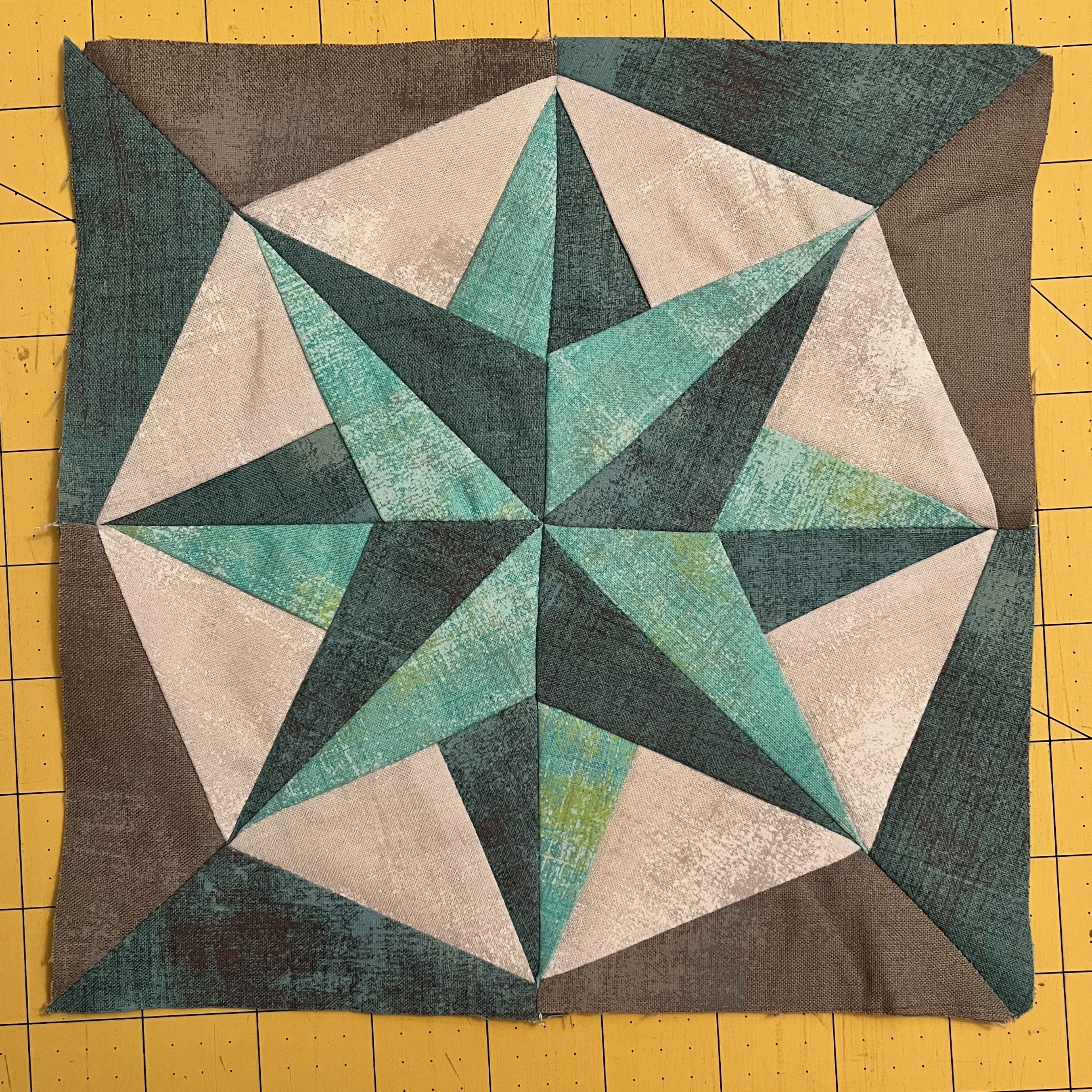
I designed the quilt using Electric Quilt. I had a few different design ideas in mind and made a test border block. I used Foundation Paper Piecing to sew all the pieces together which helped with accuracy. The center was a bit of a challenge because so many points are meeting in the center. The appliqued center piece solved the problem.

I am quite satisfied with how the quilting came out on this one. I tend to rely on my pantographs, but I knew this one needed some custom quilting.

This quilt was displayed in Boston City Hall along with an exhibit by the Boston Modern Quilt Guild March 2024. My Eclipse Quilt was also on display. I also exhibited these quilts at the BMQG Show in September of 2024.